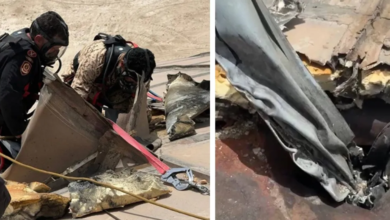
Drone attack in Fujairah and targeting of an oil tanker off the coast of Qatar

Details of the security incident in Fujairah and off the coast of Qatar
The Arabian Gulf region witnessed a significant security development, with reports of two separate incidents that raised regional and international concerns. In the first incident, a person was killed by shrapnel from a drone in the Emirate of Fujairah, United Arab Emirates. Simultaneously, a commercial oil tanker was struck by a missile while sailing off the coast of Qatar, highlighting once again the security challenges facing maritime shipping lanes in one of the world's most strategically important regions.
General context and historical background of Gulf security
The waters of the Arabian Gulf, the Strait of Hormuz, and the Gulf of Oman are vital arteries for the flow of global energy supplies. Historically, this region has witnessed frequent tensions and attacks targeting commercial vessels and oil tankers. In 2019, several ships were sabotaged off the coast of Fujairah, a crucial hub for ship refueling and oil exports bypassing the Strait of Hormuz. The use of drones and guided missiles to target energy and maritime infrastructure has become an increasingly common tactic in regional conflicts, placing the security of these waterways under constant threat and necessitating heightened security measures by littoral states and international powers.
The importance of the event and its expected impact at the regional and international levels
The targeting of an oil tanker off the coast of Qatar and the resulting death in Fujairah have far-reaching implications. Locally and regionally, these incidents heighten concerns about the security of coastlines and vital infrastructure, potentially prompting Gulf Cooperation Council (GCC) states to bolster their air and naval defense systems and intensify joint patrols. Internationally, any threat to navigation in the Gulf has immediate repercussions for global markets and supply chains.
Economic repercussions and global trade
Economically, such attacks trigger rapid reactions in energy markets. Targeting oil tankers increases the geopolitical risk premium, potentially causing volatility in global crude oil prices. Furthermore, marine insurers are forced to raise premiums for vessels transiting the Arabian Gulf and the Strait of Hormuz, increasing shipping and transportation costs, which ultimately impacts the prices of goods and fuels for end consumers worldwide.
International efforts to secure maritime navigation
Faced with these escalating challenges, the importance of international maritime alliances aimed at protecting freedom of navigation is paramount. Combined naval forces, including the U.S. Fifth Fleet based in the region, work with regional partners to ensure the free flow of commerce and deter any threats. The continued drone and missile incidents underscore the urgent need to adopt comprehensive security strategies and develop advanced technologies to detect and intercept aerial and maritime threats before they reach their targets, thus safeguarding the stability of the global economy and the security of the region.