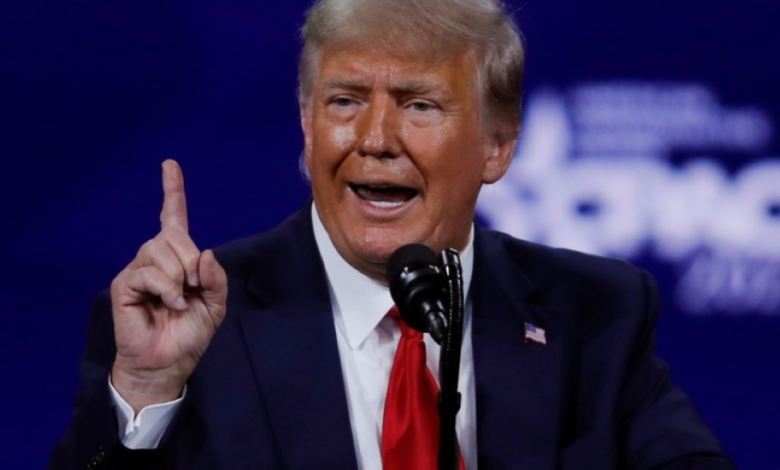

وجه الرئيس الأمريكي دونالد ترامب تحذيراً غير مسبوق وشديد اللهجة إلى طهران، حيث أمهل السلطات الإيرانية 48 ساعة فقط لفتح مضيق هرمز الاستراتيجي، متوعداً إياهم بـ “مواجهة الجحيم” في حال عدم الاستجابة. يأتي هذا التصعيد في ظل توترات جيوسياسية متزايدة تشهدها منطقة الشرق الأوسط، مما يضع أمن الملاحة البحرية العالمية واستقرار أسواق الطاقة على المحك.
ووفقاً لما نقلته شبكة “العربية” الإخبارية، صرح ترامب بوضوح موجهاً حديثه للقيادة الإيرانية: “إما فتح المضيق خلال 48 ساعة أو مواجهة الجحيم”. وتابع مشدداً على ضرورة اتخاذ خطوات فورية لتجنب الصدام: “عليكم عقد اتفاق أو فتح مضيق هرمز خلال 48 ساعة أو مواجهة الجحيم”. كما أشار ترامب في تصريحاته إلى مهلة سابقة مدتها 10 أيام كانت قد أُعطيت لإيران، محذراً من أن “الوقت ينفد – 48 ساعة قبل الجحيم”، مما يعكس جدية الموقف وخطورة التداعيات العسكرية المحتملة.
السياق التاريخي والأهمية الاستراتيجية لمضيق هرمز
لفهم خطورة هذا التصعيد، يجب النظر إلى الأهمية الاستراتيجية البالغة لمضيق هرمز. يُعد المضيق، الذي يربط بين الخليج العربي وخليج عُمان وبحر العرب، أحد أهم الممرات المائية وأكثرها حساسية في العالم. تاريخياً، كان المضيق نقطة اشتعال متكررة في النزاعات الأمريكية الإيرانية. وتستخدم طهران التهديد بإغلاق المضيق كورقة ضغط سياسية وعسكرية في مواجهة العقوبات الدولية أو التهديدات الخارجية، وهو ما حدث في عدة أزمات سابقة شملت احتجاز ناقلات نفط تجارية واستهداف سفن شحن، مما استدعى تواجداً عسكرياً دولياً مكثفاً لحماية الملاحة.
التأثير المتوقع على المستويين الإقليمي والدولي
على المستوى الدولي، يمر عبر مضيق هرمز نحو خمس إنتاج العالم من النفط، أي ما يقارب 20 إلى 30 بالمائة من الاستهلاك العالمي للطاقة المنقولة بحراً. أي إغلاق أو حتى تهديد جدي بتعطيل الملاحة في هذا الممر الضيق يؤدي فوراً إلى صدمة في أسواق الطاقة العالمية، مما يرفع أسعار النفط بشكل حاد ويؤثر سلباً على الاقتصاد العالمي الذي يتأثر بشدة بتقلبات أسعار الطاقة.
إقليمياً، تعتمد دول الخليج العربي بشكل شبه كلي على هذا المضيق لتصدير نفطها وغازها إلى الأسواق الآسيوية والغربية. التهديدات بإغلاقه تضع أمن المنطقة بأسرها في حالة تأهب قصوى، وتستدعي تحركات دبلوماسية وعسكرية مكثفة لضمان حرية التجارة. كما أن أي تصعيد عسكري أمريكي ضد إيران، كما لوح ترامب بـ “الجحيم”، قد يشعل صراعاً إقليمياً واسع النطاق تتجاوز تداعياته حدود الشرق الأوسط.
في الختام، تضع هذه المهلة القصيرة المنطقة أمام مفترق طرق خطير. فإما أن نشهد تراجعاً تكتيكياً يفتح الباب أمام تسويات دبلوماسية جديدة، أو أن تنزلق الأمور نحو مواجهة مفتوحة قد تغير الخارطة الجيوسياسية والاقتصادية للعالم بأسره. الساعات القادمة ستكون حاسمة في تحديد مسار الأحداث في واحدة من أكثر مناطق العالم توتراً.