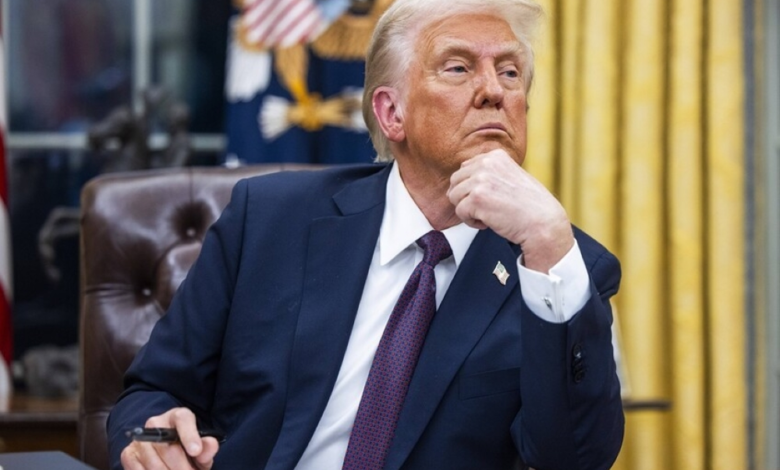

صعّد الرئيس الأمريكي السابق دونالد ترامب من حدة خطابه السياسي الموجه ضد طهران، محذراً إياها من عواقب وخيمة في حال عدم التوصل إلى اتفاق شامل مع الولايات المتحدة الأمريكية. وتأتي هذه التصريحات في وقت تشهد فيه منطقة الشرق الأوسط توترات جيوسياسية غير مسبوقة، وسط تعثر واضح في المباحثات الدبلوماسية الرامية لإنهاء حالة الصراع القائمة.
تهديدات ترامب لإيران: “لن يتبقى شيء”
وفي تفاصيل التصعيد الجديد، وجه ترامب رسالة شديدة اللهجة عبر منصته الاجتماعية “تروث سوشال” (Truth Social) يوم الأحد، قائلاً: “بالنسبة لإيران، الوقت ينفد، ومن الأفضل لهم أن يتحركوا بسرعة، وإلا فلن يتبقى منهم شيء”. يعكس هذا التصريح استمراراً لنهج “الضغوط القصوى” الذي تبناه ترامب خلال فترة رئاسته، والذي تمثل في الانسحاب الأحادي من الاتفاق النووي (خطة العمل الشاملة المشتركة) في عام 2018، وفرض عقوبات اقتصادية قاسية على قطاعات حيوية في الاقتصاد الإيراني.
السياق التاريخي وتداعيات الصراع في الشرق الأوسط
تاريخياً، تتسم العلاقات الأمريكية الإيرانية بالعداء المستحكم منذ عقود، إلا أن التطورات الأخيرة أخذت منحنى أكثر خطورة. فرغم مرور أكثر من شهر على بدء هدنة في المواجهات التي انخرطت فيها الولايات المتحدة وإسرائيل في 28 فبراير، لا يزال احتمال التوصل إلى تسوية سياسية تضع حداً نهائياً للنزاع بعيد المنال. هذا التعثر يعود إلى فجوة الثقة العميقة بين الأطراف، وتداخل الملفات الإقليمية، بدءاً من أمن الملاحة في الممرات المائية الحيوية وصولاً إلى النفوذ الإقليمي في المنطقة.
الموقف الإيراني: غياب التنازلات الملموسة
على الجانب الآخر، تعكس الصحافة الإيرانية حالة من التشاؤم تجاه النوايا الأمريكية. فقد ذكرت وسائل إعلام إيرانية يوم الأحد أن الولايات المتحدة لم تقدم “أي تنازل ملموس” في ردها على المقترحات التي قدمتها طهران. وفي هذا السياق، أوضحت وكالة “مهر” للأنباء أن واشنطن “تريد فرض قيود صارمة جداً وطويلة الأمد على القطاع النووي الإيراني”، مشيرة إلى أن الإدارة الأمريكية تربط وقف الأعمال العدائية على كل الجبهات ببدء مفاوضات جديدة وشاملة.
الملف النووي الإيراني: شروط أمريكية صارمة
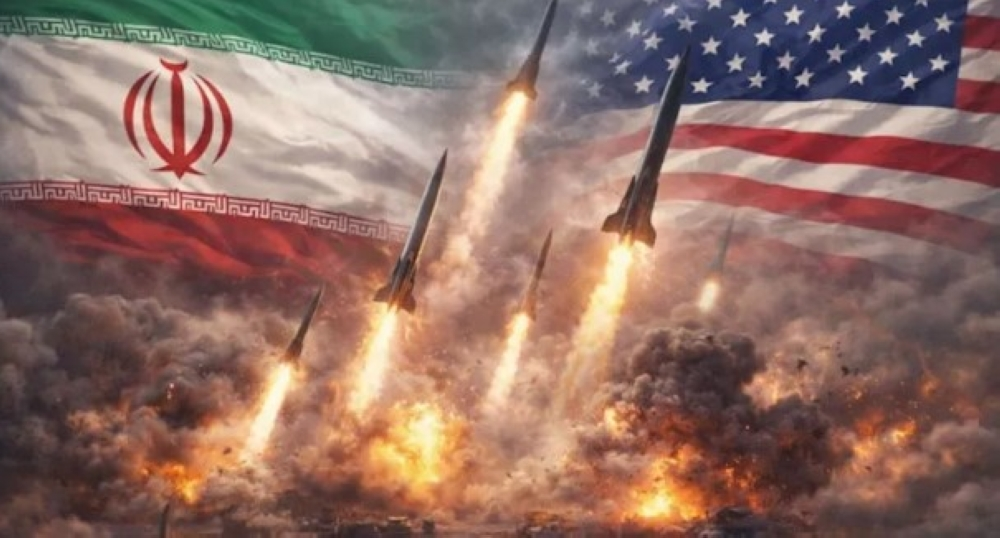
لا يزال الملف النووي الإيراني يمثل حجر الزاوية ونقطة الخلاف الرئيسية بين البلدين. ووفقاً لما نقلته وكالة “فارس” الإيرانية، فقد طرحت الولايات المتحدة خمس نقاط أساسية كشروط للتسوية. من أبرز هذه الشروط مطالبة إيران بالاحتفاظ بمنشأة نووية واحدة فقط، بالإضافة إلى ضرورة نقل مخزونها من اليورانيوم عالي التخصيب إلى واشنطن، وهو ما تعتبره طهران مساساً بسيادتها وحقوقها النووية السلمية وتجاوزاً للاتفاقيات الدولية السابقة التي رعتها الوكالة الدولية للطاقة الذرية.
أزمة الأصول المجمدة والتعويضات
إلى جانب التعقيدات النووية، يبرز الملف الاقتصادي كعقبة كأداء. فقد أشارت وكالة “فارس” إلى أن واشنطن رفضت بشكل قاطع الإفراج عن الأصول الإيرانية المجمدة في الخارج، حتى بنسبة جزئية تصل إلى 25 بالمئة. كما ترفض الولايات المتحدة دفع أي تعويضات عن الأضرار الاقتصادية والبنية التحتية التي لحقت بإيران خلال جولات الصراع الأخيرة التي اندلعت في 28 فبراير.
التأثير المتوقع إقليمياً ودولياً
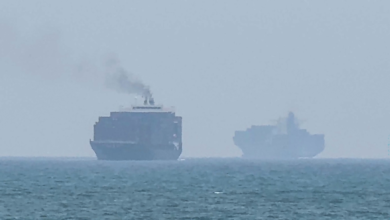
إن استمرار هذه الحالة من الاستقطاب والتهديدات المتبادلة يحمل تداعيات خطيرة على المستويين الإقليمي والدولي. إقليمياً، يثير هذا التصعيد مخاوف الدول المجاورة من اندلاع سباق تسلح أو مواجهة عسكرية قد تعطل حركة الملاحة في مضيق هرمز الاستراتيجي. ودولياً، يلقي هذا التوتر بظلاله على أسواق الطاقة العالمية، حيث يخشى المستثمرون من انقطاع إمدادات النفط، مما قد يؤدي إلى أزمات اقتصادية عالمية جديدة. ويبقى المجتمع الدولي والأوروبي يترقب بحذر مآلات هذه التهديدات ومدى إمكانية العودة إلى طاولة المفاوضات الدبلوماسية لتجنب الانزلاق نحو حرب شاملة.