
تطورات الحالة الصحية لركاب السفينة هونديوس
أعلن مسؤولو قطاع الصحة العامة في كندا عن تطور صحي مقلق، حيث تم الاشتباه في إصابة راكبة كندية كانت على متن السفينة السياحية «إم في هونديوس» (MV Hondius) بفيروس هانتا. وتُعد هذه الراكبة من بين الأشخاص المصنفين كـ«الأكثر عرضة للإصابة»، حيث أظهرت الفحوصات الأولية أنها مصابة مبدئياً بهذا الفيروس النادر.
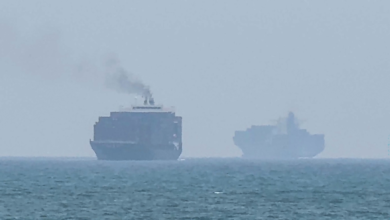
وأوضحت التقارير أن المريضة هي واحدة من بين أربعة مواطنين كنديين كانوا على متن السفينة التي انطلقت في رحلتها يوم الأول من شهر أبريل الماضي من الأرجنتين، في مسار بحري عبر المحيط الأطلسي. وقد استمرت الرحلة بشكل طبيعي إلى أن تم رصد تفشي هذا المرض الفيروسي النادر الذي ينتقل عادة عبر القوارض.
تفاصيل السلالة المكتشفة والإجراءات الكندية
في بيان رسمي، أفادت وكالة الصحة العامة الكندية أن السلطات الصحية في مقاطعة كولومبيا البريطانية، الواقعة في غرب كندا، تلقت بلاغاً يفيد بأن أحد الأشخاص الأربعة الأكثر عرضة للخطر، والذي كان يخضع بالفعل لإجراءات العزل الذاتي والمراقبة الطبية الصارمة تحسباً لظهور أي أعراض، قد تبينت إصابته مبدئياً بفيروس هانتا، وتحديداً من «سلالة الأنديز» (Andes virus).
وتكتسب هذه الإصابة أهمية طبية بالغة، حيث تُعد سلالة الأنديز السلالة الوحيدة المعروفة علمياً من فيروسات هانتا التي تمتلك القدرة على الانتقال من إنسان إلى آخر، مما يزيد من خطورة الموقف ويتطلب إجراءات احترازية مضاعفة لمنع تفشي العدوى في المجتمعات المحلية.
السياق الطبي والتاريخي لفيروس هانتا
تاريخياً، تُعرف فيروسات هانتا بأنها مجموعة من الفيروسات التي تنتقل إلى الإنسان بشكل رئيسي عن طريق التعرض لإفرازات القوارض المصابة. وتتسبب هذه الفيروسات في متلازمات تنفسية خطيرة تُعرف باسم «متلازمة فيروس هانتا الرئوية». وتستوطن سلالة الأنديز تحديداً في مناطق أمريكا الجنوبية، خاصة في الأرجنتين وتشيلي، وهو ما يفسر ارتباط الإصابة بمسار رحلة السفينة التي انطلقت من الأرجنتين. إن اكتشاف هذه السلالة على متن سفينة سياحية مغلقة يمثل تحدياً كبيراً لخبراء الأوبئة، نظراً لسهولة انتقال الأمراض التنفسية في البيئات المغلقة والمكتظة.
الاستنفار الصحي في أوروبا: فرنسا وهولندا
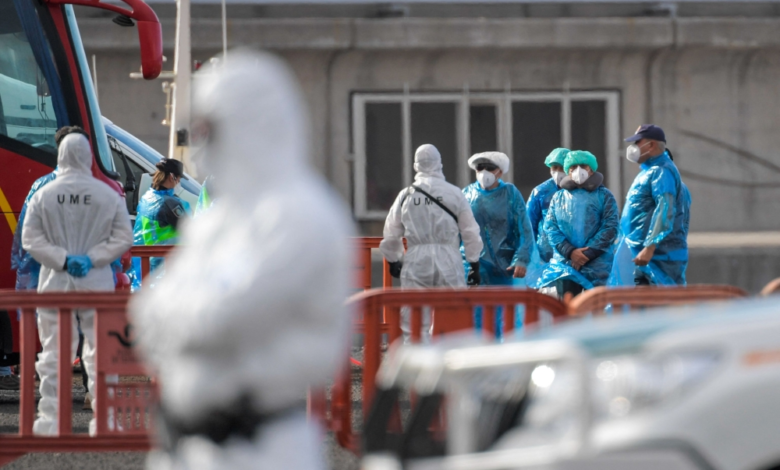
على الصعيد الإقليمي والدولي، أثار هذا الحدث حالة من الاستنفار الصحي في القارة الأوروبية. فقد أعلنت السلطات الصحية في فرنسا يوم الخميس الماضي أن 26 شخصاً ممن خالطوا مصابين محتملين بفيروس هانتا، والذين لهم صلة مباشرة بسفينة الرحلات البحرية «هونديوس»، قد خضعوا للفحوصات الطبية، وجاءت نتائج اختباراتهم سلبية ولله الحمد.
وفي سياق متصل، يخضع هؤلاء الـ 26 شخصاً لإجراءات العزل الطبي الوقائي في المستشفيات الفرنسية. ومن بين هؤلاء، تم تحديد 22 شخصاً على أنهم كانوا من المخالطين عن قرب لامرأة هولندية كانت متواجدة على متن نفس السفينة السياحية، والتي شكلت حالتها محور إنذار صحي دولي بشأن هذا المرض.
من جهتها، طمأنت السلطات الهولندية الرأي العام، مؤكدة أن جميع الأشخاص الذين تم إجلاؤهم ووصلوا إلى هولندا على متن رحلات الإجلاء الخاصة من السفينة خلال هذا الأسبوع، قد خضعوا للفحوصات المخبرية الدقيقة، وجاءت جميع نتائجهم سلبية، مما يقلل من مخاوف انتشار الفيروس على نطاق أوسع في أوروبا.
أهمية الحدث وتأثيره المتوقع
يبرز هذا الحدث الأهمية القصوى للتعاون الدولي في مجال الأمن الصحي ومراقبة الأوبئة. إن سرعة استجابة دول مثل كندا، فرنسا، وهولندا، وتفعيل بروتوكولات العزل وتتبع المخالطين، تعكس مدى تطور اللوائح الصحية الدولية في التعامل مع التهديدات البيولوجية العابرة للحدود. كما يسلط هذا الحادث الضوء مجدداً على قطاع السياحة البحرية والسفن السياحية، مؤكداً على ضرورة تعزيز معايير النظافة والمراقبة الطبية الصارمة على متنها لضمان سلامة الركاب ومنع تحول هذه السفن إلى بؤر لتفشي الأمراض النادرة.