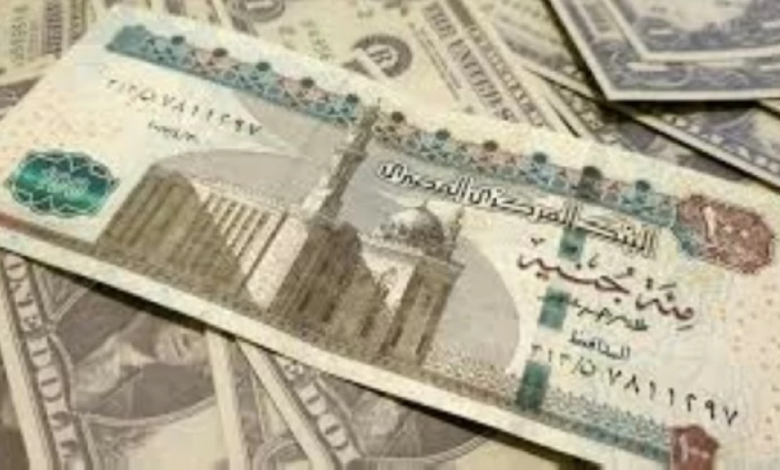
The price of the Saudi Riyal today in Egypt against the Egyptian Pound in banks

The Saudi riyal remained remarkably stable against the Egyptian pound in trading today, coinciding with the official bank holiday in Egypt. This stability follows a period of slight fluctuations during last week's trading, as traders await the banks' reopening to gain a clearer picture of market trends in the coming days.
Saudi Riyal exchange rate in Egyptian banks today
According to the latest updates on trading screens, the average exchange rate of the Saudi riyal at the Central Bank of Egypt approximately 12.58 Egyptian pounds for buying and 12.62 Egyptian pounds for selling. At the two largest state-owned banks, the National Bank of Egypt and Banque Misr, the rate remained stable at 12.54 Egyptian pounds for buying and 12.62 Egyptian pounds for selling, reflecting a convergence of prices among major financial institutions.
recorded Commercial International Bank (CIB) a buying price of 12.56 Egyptian pounds and a selling price of 12.61 Egyptian pounds, while Abu Dhabi Islamic Bank buying price of 12.59 Egyptian pounds and a selling price of 12.62 Egyptian pounds. At Bank of Alexandria, the price was 12.56 Egyptian pounds for buying and 12.60 Egyptian pounds for selling.
The importance of the Saudi Riyal and its economic impact
The price of the Saudi riyal is of paramount importance to the Egyptian public for several economic and social reasons. Firstly, Saudi Arabia is the primary destination for Egyptian expatriate workers, and therefore, remittances from Egyptians working in the Kingdom in Saudi riyals constitute a vital source of foreign currency for Egypt, directly contributing to bolstering its foreign exchange reserves.
Secondly, the demand for the riyal is linked to the Hajj and Umrah seasons, when demand increases to cover travel and accommodation expenses in the holy sites. This current price stability is reassuring for pilgrims and travelers, especially after the Central Bank of Egypt's decisions to liberalize the exchange rate last March, which eliminated the parallel market and unified the exchange rate through official channels.
Compared to last week's trading
Looking at the Saudi riyal's performance over the past week, we observe a slight decline in current prices compared to last week's averages. The Central Bank of Egypt previously recorded a rate of 12.67 Egyptian pounds for buying and 12.71 Egyptian pounds for selling, while the Commercial International Bank (CIB) reached 12.68 Egyptian pounds for selling. This slight decrease reflects the flexibility of the exchange rate according to the supply and demand mechanisms that now govern the Egyptian banking market, thus bolstering the confidence of investors and international institutions in the Egyptian economy.