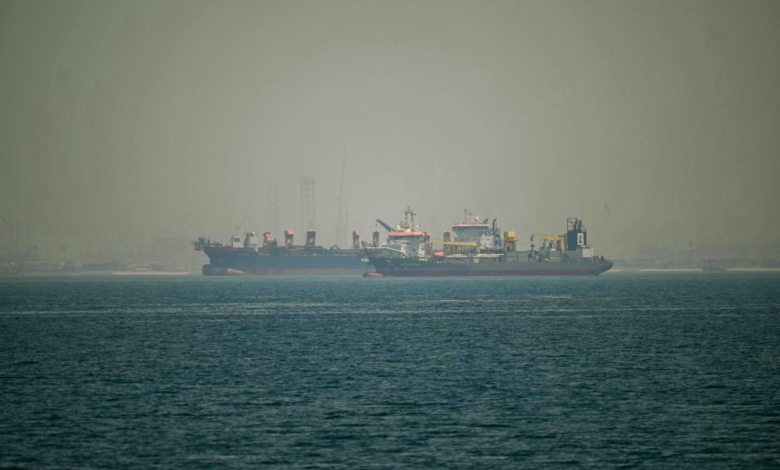

نداء إنساني عاجل من الأمم المتحدة
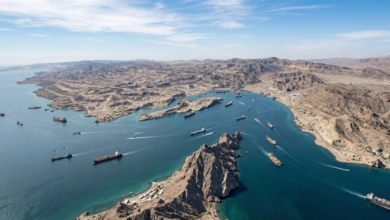
في تطور إنساني مقلق، وجهت المنظمة البحرية الدولية (IMO)، وهي وكالة متخصصة تابعة للأمم المتحدة، نداءً عاجلاً للمجتمع الدولي لتقديم الدعم والمساعدة لنحو 20 ألف بحّار أصبحوا عالقين على متن ما يقرب من 2000 سفينة، وذلك عقب توقف حركة الملاحة في مضيق هرمز. وأكد الأمين العام للمنظمة، أرسينيو دومينغيز، خلال مؤتمر بحري في سنغافورة، على أن هؤلاء البحارة يواجهون ظروفاً قاسية ويعانون من مستويات قصوى من الضغط النفسي والإرهاق بسبب العزلة وعدم اليقين بشأن مصيرهم.
وطالب دومينغيز بضرورة اتخاذ إجراءات فورية لتخفيف معاناتهم، مشدداً بشكل خاص على أهمية تعزيز قدرتهم على التواصل مع عائلاتهم. وقال: “يمكن فعل المزيد على الصعيد الشخصي، كتوفير خدمة الواي فاي لهم حتى يتمكنوا من التواصل مع عائلاتهم وطمأنتها”. وأشار إلى أن بعض الدول بدأت بالفعل في تقديم المساعدة، مثل توفير خطوط هاتفية مجانية والغذاء، لكن الأزمة تتطلب استجابة أوسع نطاقاً.
السياق الجيوسياسي والأهمية الاستراتيجية لمضيق هرمز
يُعد مضيق هرمز أحد أهم الممرات المائية في العالم، حيث يمر عبره ما يقرب من خُمس استهلاك النفط العالمي، مما يجعله شرياناً حيوياً لاقتصاد الطاقة العالمي. يفصل المضيق بين الخليج العربي وخليج عمان، ويقع بين إيران وسلطنة عمان. لطالما كان المضيق نقطة توتر جيوسياسي في منطقة الشرق الأوسط، وشهد على مر العقود العديد من الأزمات والمواجهات، خاصة بين إيران والولايات المتحدة. أي تعطيل للملاحة فيه يثير قلقاً دولياً فورياً بسبب تأثيره المباشر على أسواق الطاقة العالمية وسلاسل الإمداد. وتأتي الأزمة الحالية في سياق تصاعد التوترات الإقليمية، حيث توقفت حركة الملاحة مجدداً منذ يوم الاثنين، مما أدى إلى تفاقم الوضع الإنساني والاقتصادي.
التأثيرات المتوقعة للأزمة على الصعيدين الإقليمي والدولي
إن إغلاق مضيق هرمز، حتى لو كان مؤقتاً، يحمل في طياته تداعيات خطيرة تتجاوز محنة البحارة العالقين. على الصعيد الإقليمي، يؤدي الإغلاق إلى زيادة حالة عدم الاستقرار في منطقة تعاني أصلاً من صراعات متعددة. أما على الصعيد الدولي، فإن التأثير الأكثر وضوحاً هو الاضطراب الفوري في أسواق النفط العالمية، حيث من المتوقع أن ترتفع الأسعار بشكل حاد، مما يؤثر على تكاليف الطاقة والنقل في جميع أنحاء العالم ويهدد بزيادة معدلات التضخم. بالإضافة إلى النفط، تعبر العديد من السلع الأخرى عبر المضيق، مما يعني أن الإغلاق يعطل سلاسل التوريد العالمية لمجموعة واسعة من المنتجات. إن هذه الأزمة لا تسلط الضوء فقط على الأهمية الاستراتيجية للمضيق، بل تكشف أيضاً عن الهشاشة الإنسانية والاقتصادية المرتبطة بالتوترات الجيوسياسية في الممرات المائية الحيوية.