
مقدمة: ترقب دولي لتصويت مجلس الأمن
تتجه أنظار المجتمع الدولي اليوم الثلاثاء نحو أروقة مجلس الأمن التابع للأمم المتحدة، حيث من المقرر أن يُعقد تصويت حاسم على مشروع قرار يهدف إلى تأمين الملاحة في مضيق هرمز. يأتي هذا التحرك الدبلوماسي في وقت تشهد فيه المنطقة توترات غير مسبوقة، مما يهدد استقرار حركة التجارة العالمية وإمدادات الطاقة. وقد خضع مشروع القرار لتعديلات جوهرية ليصبح بصيغة “مخففة” إلى حد كبير، وذلك في محاولة لتجنب استخدام حق النقض (الفيتو) من قبل دول دائمة العضوية.
تفاصيل مشروع القرار والجهود الدبلوماسية
قادت دولة البحرين، بصفتها عضواً منتخباً في مجلس الأمن، وبدعم واسع من دول الخليج العربي، مفاوضات مكثفة استمرت لأسابيع لصياغة هذا القرار. في البداية، كان النص يهدف إلى منح تفويض صريح من الأمم المتحدة لأي دولة ترغب في استخدام القوة العسكرية لحماية وتأمين الملاحة في هذا الممر المائي الحيوي. ومع ذلك، واجهت هذه المسودة اعتراضات شديدة من بعض الأعضاء الدائمين، وتحديداً روسيا والصين، مما أدى إلى تأجيل التصويت الذي كان مقرراً يوم الخميس الماضي لعدة مرات.
لتجاوز هذه العقبة، تم تخفيف لغة النص تدريجياً. وتشير النسخة النهائية الحالية إلى إدانة واضحة للهجمات الإيرانية على السفن التجارية، مع تشجيع الدول المعنية على “تنسيق الجهود، ذات الطابع الدفاعي والمتناسبة مع الظروف، لضمان سلامة الملاحة في مضيق هرمز، بما في ذلك مرافقة السفن التجارية”.
السياق التاريخي والأهمية الاستراتيجية لمضيق هرمز
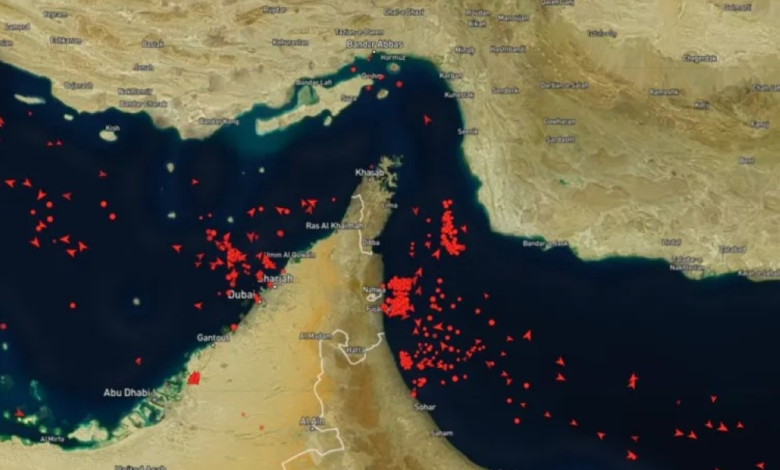
لفهم أهمية هذا التحرك الأممي، يجب النظر إلى الأهمية الجيوسياسية والاقتصادية البالغة التي يتمتع بها مضيق هرمز. يُعد هذا المضيق أحد أهم الممرات المائية وأكثرها حساسية في العالم، حيث يربط بين الخليج العربي وخليج عمان وبحر العرب. تاريخياً، كان المضيق مسرحاً للعديد من التوترات، أبرزها “حرب الناقلات” إبان الحرب العراقية الإيرانية في ثمانينيات القرن الماضي، حيث أدركت القوى العالمية حينها أن أي تعطيل للملاحة هناك يعني شللاً في الاقتصاد العالمي.
على الصعيد الاقتصادي، يمر عبر مضيق هرمز نحو خُمس استهلاك العالم من النفط الخام، بالإضافة إلى كميات هائلة من الغاز الطبيعي المسال. وبالتالي، فإن أي تهديد أو إغلاق لهذا الممر ينعكس فوراً على أسواق الطاقة العالمية، مما يؤدي إلى ارتفاع حاد في أسعار النفط، ويؤثر سلباً على معدلات التضخم والنمو الاقتصادي وسلاسل الإمداد في الدول الصناعية والنامية على حد سواء.
التصعيد الأخير والمهلة الأمريكية الحاسمة
تأتي هذه التحركات الدبلوماسية في ظل تصعيد ميداني خطير. فقد شهد المضيق شللاً في حركة الملاحة بسبب الإجراءات التي اتخذتها إيران منذ بدء الهجوم الأمريكي-الإسرائيلي عليها في 28 فبراير. وقد تضمنت مسودة القرار مطالبة صريحة لإيران بالتوقف فوراً عن كل الهجمات التي تستهدف السفن التي تعبر هذا الطريق التجاري الحيوي، والكف عن أي محاولة لعرقلة حرية الملاحة.
كما يشير النص أيضاً إلى أن المجلس سيكون مستعداً للنظر في اتخاذ إجراءات أخرى ضد من يقوّض حرية الملاحة في الممر. وتتزامن هذه التطورات مع ضغوط أمريكية قصوى، حيث من المقرر إجراء التصويت اليوم الثلاثاء الساعة 15:00 بتوقيت جرينتش، وهو توقيت يسبق بساعات قليلة انتهاء المهلة التي حددها الرئيس الأمريكي دونالد ترامب لإيران، مهدداً بأنه سيدمرها بالكامل ليل الثلاثاء إذا لم تعد فتح مضيق هرمز.
التأثير المتوقع للقرار على الساحة الدولية
إن نتائج هذا التصويت ستحمل تداعيات عميقة. إقليمياً، تسعى دول المنطقة إلى تأمين شريانها الاقتصادي الرئيسي وضمان استمرار تصدير مواردها بأمان. أما دولياً، فإن نجاح مجلس الأمن في تمرير القرار سيمثل رسالة حازمة تؤكد التزام المجتمع الدولي بحماية حرية التجارة، بينما قد يؤدي الفشل إلى فتح الباب أمام تحالفات عسكرية خارج مظلة الأمم المتحدة، مما ينذر بتصعيد قد يغير المشهد الأمني في الشرق الأوسط.