محادثات النووي الإيراني: اتصال سعودي إيراني لمتابعة حوار طهران وواشنطن

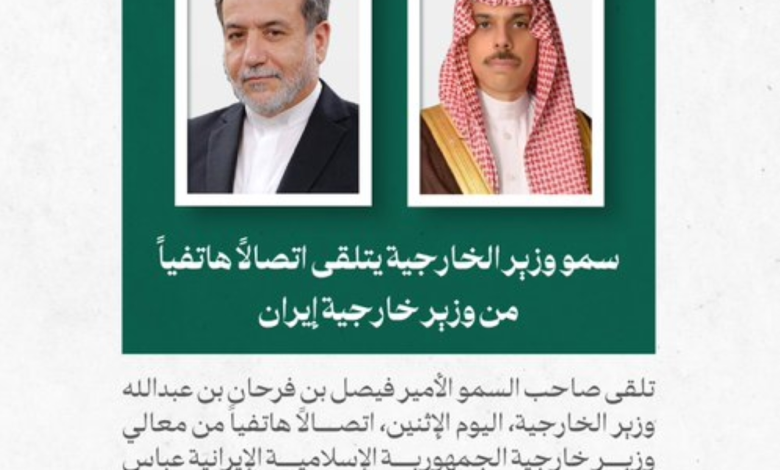
في خطوة دبلوماسية تعكس الديناميكيات المتغيرة في منطقة الشرق الأوسط، أجرى صاحب السمو الأمير فيصل بن فرحان بن عبدالله، وزير الخارجية السعودي، اتصالاً هاتفياً مع نظيره الإيراني، عباس عراقجي. وتركز الاتصال بشكل أساسي على استعراض آخر مستجدات المحادثات الجارية بين الولايات المتحدة الأمريكية وإيران، والتي تهدف إلى إيجاد حل للتوترات القائمة بين البلدين، وعلى رأسها الملف النووي الإيراني.
خلفية تاريخية وسياق المفاوضات
تعود جذور هذه المحادثات إلى الاتفاق النووي التاريخي، المعروف رسمياً باسم “خطة العمل الشاملة المشتركة” (JCPOA)، الذي تم توقيعه في عام 2015 بين إيران ومجموعة الدول (5+1) التي تضم الولايات المتحدة، بريطانيا، فرنسا، الصين، روسيا، وألمانيا. وبموجب هذا الاتفاق، وافقت إيران على تقييد برنامجها النووي بشكل كبير مقابل رفع العقوبات الاقتصادية المفروضة عليها. إلا أن المشهد تغير جذرياً في عام 2018 عندما أعلنت إدارة الرئيس الأمريكي السابق دونالد ترامب انسحابها من الاتفاق من جانب واحد، وأعادت فرض عقوبات اقتصادية قاسية على طهران ضمن سياسة “الضغط الأقصى”. ورداً على ذلك، بدأت إيران بالتراجع تدريجياً عن التزاماتها المنصوص عليها في الاتفاق، مما أدى إلى تصاعد التوترات في المنطقة ووضع الاتفاق على حافة الانهيار.
أهمية المحادثات وتأثيرها الإقليمي والدولي
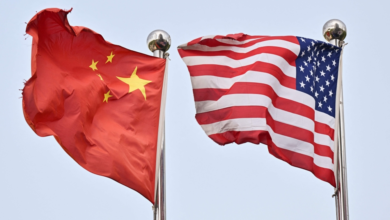
تكتسب المحادثات الحالية بين واشنطن وطهران أهمية بالغة ليس فقط للبلدين، بل للمنطقة والعالم بأسره. فعلى الصعيد الإقليمي، يُنظر إلى أي تقدم في هذه المفاوضات على أنه خطوة حيوية نحو خفض التصعيد في الشرق الأوسط. وتولي المملكة العربية السعودية، كقوة إقليمية كبرى، اهتماماً كبيراً بهذه التطورات، حيث إن التوصل إلى تفاهم من شأنه أن ينعكس إيجاباً على استقرار المنطقة، ويساهم في حلحلة أزمات معقدة مثل الوضع في اليمن وسوريا ولبنان. ويأتي الاتصال بين وزيري خارجية البلدين في سياق التقارب السعودي الإيراني الذي بدأ بوساطة صينية في عام 2023، مما يؤكد على الرغبة المشتركة في بناء الثقة وحل الخلافات عبر الحوار. أما على الصعيد الدولي، فإن نجاح هذه المحادثات يعني إعادة إحياء أحد أهم اتفاقيات منع الانتشار النووي، وتجنب سباق تسلح محتمل في المنطقة، بالإضافة إلى تأثيره المحتمل على أسواق الطاقة العالمية من خلال عودة النفط الإيراني بشكل كامل إلى الأسواق، مما قد يساهم في استقرار الأسعار.
وخلال الاتصال، تبادل الوزيران وجهات النظر حول العقبات التي لا تزال تواجه المفاوضات، حيث تشدد إيران على ضرورة رفع جميع العقوبات التي فرضت عليها بعد عام 2018 والإفراج عن أصولها المجمدة في الخارج كشرط أساسي لعودتها إلى الامتثال الكامل لالتزاماتها النووية، بينما تسعى واشنطن للحصول على ضمانات بأن البرنامج النووي الإيراني سيبقى سلمياً بشكل دائم. وتبقى الجهود الدبلوماسية، بما في ذلك الوساطات الإقليمية، هي السبيل الأمثل لتجاوز هذه الخلافات وتحقيق الاستقرار المنشود.