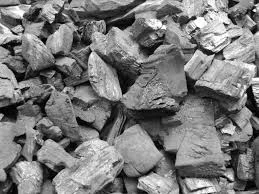

تراجع ملحوظ في صادرات الفحم الأمريكية
شهدت صادرات الفحم الأمريكية تراجعاً ملحوظاً للمرة الأولى منذ خمسة أعوام، مما يمثل نقطة تحول هامة في أسواق الطاقة العالمية. وبحسب أحدث البيانات، انخفضت الصادرات بمقدار 16 مليون طن لتستقر عند 93 مليون طن خلال عام 2025. هذا التراجع ينهي سلسلة من النمو المستمر التي دامت لأربعة أعوام متتالية، مما يثير تساؤلات حول مستقبل صناعة الفحم في الولايات المتحدة وتأثيراتها الاقتصادية. وقد شمل هذا الانخفاض تراجع شحنات الفحم الحراري بنسبة 18%، في حين انخفضت شحنات فحم الكوك المستخدم في صناعة الصلب بنسبة 11%.
تأثير الحرب التجارية وضعف الطلب الصيني
وفقاً لتقرير صادر عن إدارة معلومات الطاقة الأمريكية، يُعزى هذا التراجع الحاد في صادرات الفحم الأمريكية بشكل رئيسي إلى انهيار الصادرات المتجهة نحو الصين. فقد سجلت الشحنات إلى بكين انخفاضاً هائلاً بلغت نسبته 92% في عام 2025 مقارنة بالعام السابق 2024. ويأتي هذا التراجع الحاد كنتيجة مباشرة للتداعيات المستمرة للحرب التجارية والتوترات الاقتصادية بين أكبر اقتصادين في العالم، والتي ألقت بظلالها على حركة التجارة الدولية للسلع الاستراتيجية. تاريخياً، كانت الصين تعتمد بشكل كبير على واردات الفحم لتلبية احتياجاتها الصناعية، إلا أن التحولات الجيوسياسية دفعتها للبحث عن بدائل أخرى وتعزيز إنتاجها المحلي.
تحديات السوق العالمي ووفرة الإمدادات
على الصعيد الدولي، تأثرت الصادرات الأمريكية بوضع السوق العالمي الذي اتسم مؤخراً بوفرة كبيرة في الإمدادات مقابل ضعف ملحوظ في الطلب. هذا الخلل في ميزان العرض والطلب أدى إلى انخفاض حاد في الأسعار العالمية للفحم، مما خلق صعوبات بالغة وتحديات جمة أمام المصدرين الأمريكيين في تحقيق هوامش أرباح مجزية. إن المنافسة الشرسة مع دول مصدرة أخرى جعلت من الصعب على الفحم الأمريكي الحفاظ على حصته السوقية في ظل هذه الظروف الاقتصادية الضاغطة.
انتعاش مفاجئ في الاستهلاك المحلي
في مفارقة مثيرة للاهتمام، وتزامناً مع تراجع الصادرات الخارجية، شهدت الولايات المتحدة طفرة ملحوظة في توليد الكهرباء محلياً بالاعتماد على الفحم. فقد ارتفعت نسبة توليد الكهرباء من الفحم بنحو 13%، وهو ما أدى بدوره إلى زيادة استهلاك قطاع الطاقة المحلي للفحم بنسبة 12%. هذا الانتعاش الداخلي يأتي بعد ثلاث سنوات متتالية من الانخفاض المستمر، مما وفر طوق نجاة مؤقت لمنتجي الفحم الأمريكيين لتعويض جزء من خسائرهم في الأسواق الخارجية.
الخلفية التاريخية ومستقبل قطاع الطاقة
تاريخياً، لعبت صناعة الفحم دوراً محورياً في الثورة الصناعية والنمو الاقتصادي للولايات المتحدة. ومع ذلك، واجه القطاع تحديات هيكلية على مدار العقدين الماضيين بسبب التحول العالمي نحو مصادر الطاقة المتجددة والغاز الطبيعي الأقل تكلفة والأكثر صداقة للبيئة. إن تراجع صادرات الفحم الأمريكية يعكس تحولات أعمق في سياسات المناخ العالمية والتوجهات نحو تقليل الانبعاثات الكربونية. ومن المتوقع أن يكون لهذا الحدث تأثيرات إقليمية ودولية متباينة؛ فبينما قد تستفيد بعض الدول المستوردة من انخفاض الأسعار، ستضطر الشركات الأمريكية إلى إعادة هيكلة استراتيجياتها للتكيف مع واقع جديد يتقلص فيه الاعتماد العالمي على الوقود الأحفوري التقليدي.