
أفادت وكالات أنباء إيرانية، وتحديداً وكالتي “فارس” و”تسنيم”، يوم السبت، بأن الولايات المتحدة الأمريكية تطرح ما وصفته بـ “مطالب مبالغ فيها” تتعلق بحركة الملاحة في مضيق هرمز الاستراتيجي. وتأتي هذه التصريحات في ظل المباحثات الجارية في العاصمة الباكستانية إسلام آباد، والتي تهدف بشكل أساسي إلى التوصل لآلية تضع حداً نهائياً للتوترات والنزاعات المسلحة في منطقة الشرق الأوسط.
وأشارت الوكالات الإيرانية إلى أن طهران كانت قد اتخذت خطوات عملية أدت إلى تضييق الخناق على المضيق خلال فترات التصعيد الأخيرة. وأضافت التقارير الإيرانية بلهجة حاسمة: “يبدو أن ما لم تتمكن الولايات المتحدة من تحقيقه على أرض الواقع خلال أسابيع من التهديدات والضغوط العسكرية، تحاول الآن الحصول عليه بكل سهولة عبر طاولة المفاوضات”. كما أكدت المصادر ذاتها أن واشنطن لم تكتفِ بملف المضيق، بل طرحت “مطالب غير مقبولة” تتعلق بمسائل إقليمية وأمنية أخرى.
السياق العام والخلفية التاريخية لمضيق هرمز
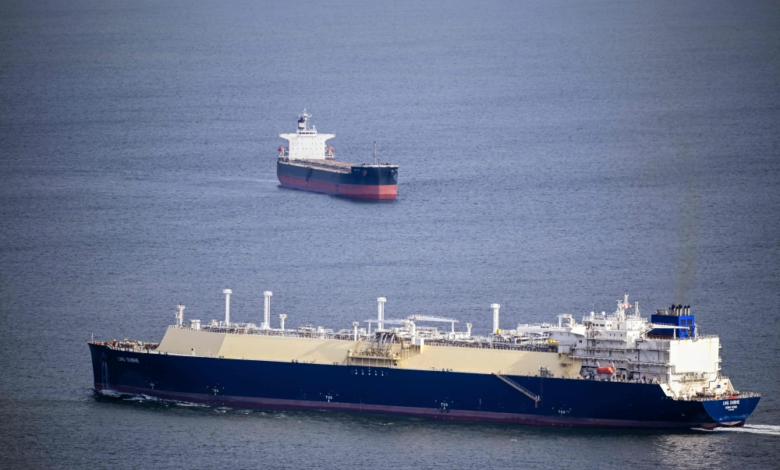
لفهم أبعاد هذه التصريحات، يجب النظر إلى الأهمية الجيوسياسية لمضيق هرمز. يُعد المضيق واحداً من أهم الممرات المائية في العالم، حيث يربط بين الخليج العربي وخليج عمان وبحر العرب. تاريخياً، شكل هذا الممر نقطة احتكاك دائمة بين طهران وواشنطن. وتعتمد الأسواق العالمية بشكل كبير على هذا المضيق، حيث يمر من خلاله نحو خمس إنتاج العالم من النفط الخام، بالإضافة إلى كميات ضخمة من الغاز الطبيعي المسال. وقد لوحت إيران مراراً وتكراراً في العقود الماضية بإغلاق المضيق رداً على العقوبات الاقتصادية أو التهديدات العسكرية، مما يجعله ورقة ضغط رئيسية في السياسة الخارجية الإيرانية.
أهمية الحدث وتأثيره المتوقع إقليمياً ودولياً
تحمل المطالب الأمريكية والرفض الإيراني تداعيات واسعة النطاق على عدة مستويات. على الصعيد الإقليمي، يثير أي توتر في مضيق هرمز قلق الدول الخليجية المصدرة للنفط، حيث تعتمد اقتصاداتها بشكل كبير على أمن وسلامة هذا الممر البحري لضمان وصول صادراتها إلى الأسواق الآسيوية والغربية بأمان.
أما على الصعيد الدولي، فإن استمرار الخلافات حول إدارة وأمن مضيق هرمز ينعكس فوراً على أسعار الطاقة العالمية. أي تهديد فعلي بإغلاق المضيق أو عرقلة الملاحة فيه يؤدي إلى ارتفاع فوري في أسعار النفط، مما يزيد من معدلات التضخم ويؤثر سلباً على الاقتصاد العالمي. وتسعى الولايات المتحدة، من خلال تواجدها العسكري المتمثل في الأسطول الخامس بالبحرين، إلى ضمان حرية الملاحة، وهو ما تعتبره طهران تدخلاً في شؤون المنطقة.
في الختام، تعكس المباحثات الحالية في إسلام آباد مدى تعقيد المشهد السياسي في الشرق الأوسط. فبينما تسعى واشنطن لتأمين مصالحها ومصالح حلفائها الاستراتيجية والاقتصادية من خلال فرض شروط صارمة، تتمسك طهران بمواقفها رافضة تقديم تنازلات تعتبرها مساساً بسيادتها وأمنها القومي، مما يجعل مسار المفاوضات محفوفاً بالتحديات الكبيرة.