
تفاصيل الهجوم على المنشأة النووية الإيرانية
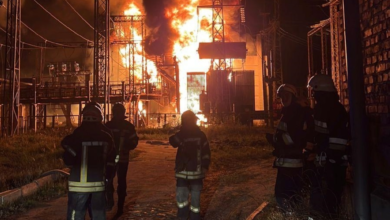
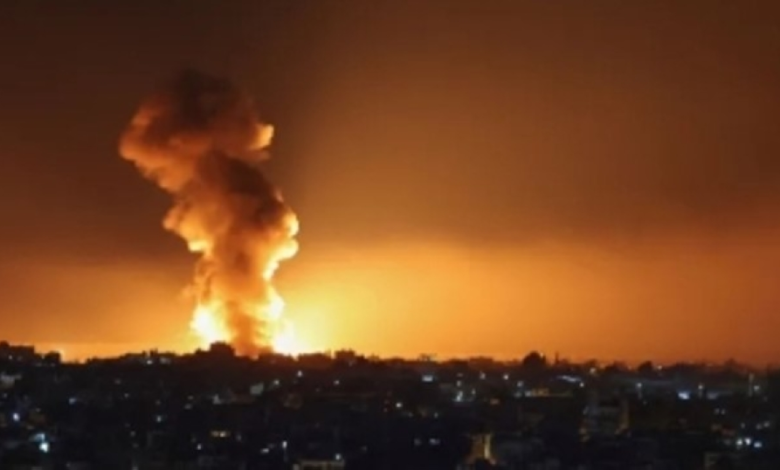
أفادت وسائل إعلام إيرانية رسمية بتعرض منشأة نووية حيوية في وسط البلاد لهجوم جوي مزدوج. وفي التفاصيل، استهدفت غارات أمريكية وإسرائيلية مفاعلاً يعمل بالماء الثقيل في محافظة مركزي الإيرانية. ونقلت وكالة أنباء “فارس” الإيرانية عن حسن قماري، المسؤول المحلي في المحافظة، تأكيده أن “مجمع خنداب للماء الثقيل تعرض للاستهداف على مرحلتين في هجوم شنه العدو الأمريكي والصهيوني”، بحسب وصفه. وأكدت الوكالة، إلى جانب وسائل إعلام محلية أخرى، عدم تسجيل أي إصابات بشرية أو حدوث أي تسرب إشعاعي من الموقع المستهدف حتى اللحظة، مما يشير إلى أن الأضرار قد تكون اقتصرت على البنية التحتية غير الحساسة إشعاعياً.
السياق التاريخي لبرنامج إيران النووي ومفاعل خنداب
يُعد مفاعل خنداب (المعروف أيضاً في الأوساط الدولية باسم مفاعل أراك) أحد أبرز المنشآت الاستراتيجية في البرنامج النووي الإيراني، والذي طالما أثار قلق المجتمع الدولي. تاريخياً، صُمم هذا المفاعل ليعمل بالماء الثقيل، وهو ما يجعله قادراً على إنتاج البلوتونيوم كمنتج ثانوي، والذي يمكن استخدامه في تصنيع الأسلحة النووية إذا تمت معالجته بنجاح. وخلال المفاوضات التي أفضت إلى الاتفاق النووي (خطة العمل الشاملة المشتركة) عام 2015، وافقت طهران على إعادة تصميم قلب المفاعل لتقليل إنتاجه من البلوتونيوم بشكل كبير، وسحب الماء الثقيل الزائد لتخفيف المخاوف الغربية. ومع ذلك، بعد انسحاب الولايات المتحدة من الاتفاق في عام 2018، تراجعت إيران تدريجياً عن التزاماتها النووية، مما أعاد المنشآت النووية الإيرانية، وعلى رأسها خنداب ونطنز، إلى دائرة الاستهداف والتوتر المباشر.
التداعيات الإقليمية والدولية للهجوم
يحمل هذا التطور العسكري الخطير تداعيات واسعة النطاق على مستويات عدة. على الصعيد المحلي، يضع هذا الهجوم طهران أمام تحديات أمنية غير مسبوقة لاختراق عمقها الاستراتيجي، مما قد يدفع القيادة الإيرانية إلى اتخاذ إجراءات تصعيدية لحماية منشآتها، وربما تسريع وتيرة برنامجها النووي وزيادة نسب التخصيب كرد فعل على الاستهداف. إقليمياً، يُنذر هذا الهجوم بتصعيد خطير ومباشر في “حرب الظل” الدائرة بين إسرائيل والولايات المتحدة من جهة، وإيران من جهة أخرى. وقد شملت هذه الحرب سابقاً هجمات سيبرانية معقدة مثل فيروس “ستوكسنت”، واغتيالات لعلماء نوويين بارزين، واستهدافات متبادلة للسفن والمصالح في المنطقة. هذا التصعيد المباشر يهدد أمن الملاحة واستقرار منطقة الشرق الأوسط برمتها.
على الصعيد الدولي، يضع هذا الحدث الوكالة الدولية للطاقة الذرية في موقف حرج، حيث ستحتاج إلى تقييم الأضرار بشكل مستقل وضمان عدم وجود مخاطر بيئية أو إشعاعية، رغم النفي الإيراني الأولي. كما أن التدخل الأمريكي المباشر، كما ورد في التصريحات الإيرانية الرسمية، يعقد المشهد الدبلوماسي ويقلص من فرص العودة إلى طاولة المفاوضات النووية في المستقبل القريب. ومن المتوقع أن تترقب الأسواق العالمية، وخاصة أسواق الطاقة، تطورات هذا الحدث بحذر شديد، نظراً لتأثير أي صراع عسكري مفتوح في منطقة الخليج على إمدادات النفط العالمية والاقتصاد الدولي.
خلاصة المشهد
في الختام، يمثل استهداف مفاعل خنداب للماء الثقيل نقطة تحول حاسمة في مسار التعامل العسكري مع الملف النووي الإيراني. ومع تأكيد السلطات الإيرانية على احتواء الموقف وعدم وجود تسرب إشعاعي، تبقى الأنظار متجهة نحو طبيعة الرد الإيراني المحتمل، والخطوات التالية للمجتمع الدولي في محاولة لاحتواء أزمة قد تعصف باستقرار المنطقة وتجرها إلى مواجهة شاملة.