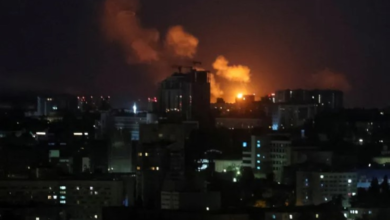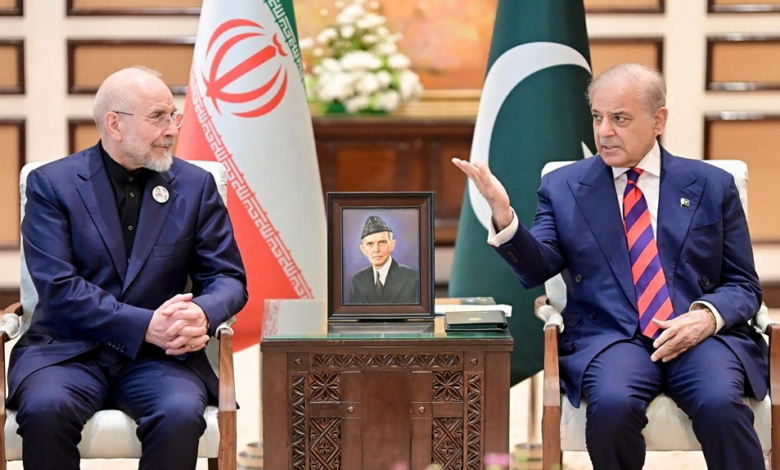

In a significant diplomatic development reflecting the scale of regional tensions, the Pakistani government called on both the United States and Iran to uphold the ceasefire agreement following the breakdown of recent talks between the two sides. This appeal comes at a sensitive time, as the Middle East region witnesses ongoing escalation, presenting the international community with major security and political challenges that require urgent intervention to prevent further deterioration.
Pakistani Foreign Minister Ishaq Dar, whose country hosted this round of talks, reaffirmed Islamabad's official position of supporting regional stability. In a brief statement carried by state media, Dar stressed that "it is essential that both sides maintain their commitment to the ceasefire," implicitly warning against sliding into open confrontation. The minister added that Pakistan would not shirk its responsibilities, emphasizing that it "has been and will continue to play its part in the coming days to facilitate engagement and dialogue between the Islamic Republic of Iran and the United States of America."
Historical context and Pakistan's strategic role
Pakistan’s mediation in the US-Iran talks is of paramount importance given the complex geopolitical landscape. Pakistan shares a long land border with Iran and simultaneously maintains strategic and historical ties with the United States. Since the severing of direct diplomatic relations between Washington and Tehran in 1979, third parties have played vital roles in conveying messages and managing crises to prevent military escalation. Islamabad understands that any direct conflict between its western neighbor and the superpower would have catastrophic consequences for its national security and domestic economy, and could trigger massive waves of displacement.
The importance of the event and its regional impact in the Middle East
At the regional level, the failure of the talks is a worrying sign for the countries of the Middle East and the Arabian Gulf. The region is already suffering from overlapping crises, and any collapse of security understandings between the United States and Iran could ignite multiple proxy conflicts. Maintaining the ceasefire is also a vital safeguard for ensuring the continued flow of maritime traffic in strategic waterways, most notably the Strait of Hormuz, through which a significant portion of the world's energy supply passes, making the stability of this region a paramount international interest.
International and economic repercussions
Internationally, major capitals are watching these talks with great concern. The global economy, already grappling with inflation and a slowdown, cannot withstand another shock in the form of an oil supply disruption or a large-scale regional war. Therefore, Pakistan's call for de-escalation is finding a positive response within the international community, which is pushing for diplomatic solutions as the only alternative to armed conflict.
In conclusion, diplomatic efforts led by countries like Pakistan remain the cornerstone of attempts to de-escalate the conflicts. Despite the failure of the current round of talks, maintaining open channels of communication and adhering to the ceasefire represent the first and most crucial step towards resuming the peace process and sparing the region the horrors of a devastating war.