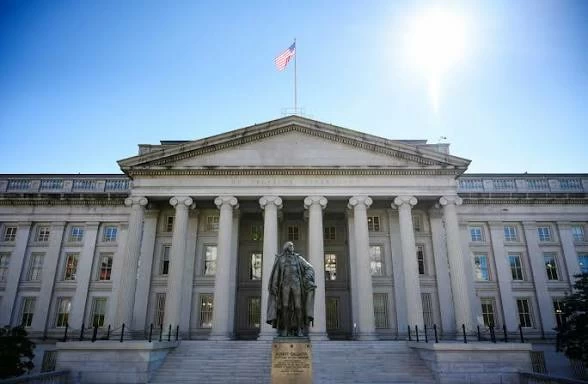

في خطوة جديدة تهدف إلى زيادة الضغط الاقتصادي على طهران، أعلنت وزارة الخزانة الأمريكية عن فرض حزمة عقوبات اقتصادية جديدة تستهدف شبكة واسعة من الكيانات والأفراد. تأتي هذه الإجراءات في سياق استراتيجية أمريكية طويلة الأمد تسعى لتقييد قدرة إيران على تمويل أنشطتها الإقليمية وتطوير برامجها العسكرية، وخاصة برنامجها النووي والصاروخي.
وركزت العقوبات الأخيرة بشكل مباشر على قنوات تجارية ومصرفية ترى واشنطن أنها تعمل كأدوات لتوفير السيولة النقدية وتسهيل التحويلات المالية الدولية بعيداً عن النظم الرقابية المعتادة. وبحسب بيان الخزانة الأمريكية، فإن الهدف هو عزل هذه الجهات عن النظام المالي العالمي ومنعها من استخدام الدولار الأمريكي في معاملاتها، مما يضع ضغوطاً إضافية على الهياكل الاقتصادية التي تعتمد عليها طهران في تجارتها الخارجية.
سياق تاريخي: سياسة الضغط الأقصى
لا يمكن فهم هذه العقوبات بمعزل عن سياقها التاريخي. فالعلاقات بين واشنطن وطهران متوترة منذ عقود، لكنها دخلت مرحلة جديدة من التصعيد بعد انسحاب الولايات المتحدة من الاتفاق النووي (خطة العمل الشاملة المشتركة – JCPOA) في عام 2018 تحت إدارة الرئيس السابق دونالد ترامب. تبنت الإدارة الأمريكية آنذاك سياسة “الضغط الأقصى”، التي أعادت فرض جميع العقوبات السابقة وأضافت إليها مئات الإجراءات الجديدة التي طالت قطاعات حيوية مثل النفط، والبنوك، والشحن، والتعدين. ورغم تغير الإدارة في واشنطن، استمر النهج المتشدد إلى حد كبير، حيث تُستخدم العقوبات كأداة رئيسية في السياسة الخارجية الأمريكية تجاه إيران.
الأهمية والتأثير المتوقع للعقوبات الجديدة
على الصعيد المحلي الإيراني، من المتوقع أن تزيد هذه العقوبات من تفاقم التحديات الاقتصادية القائمة. يرى محللون أن تقييد الوصول إلى العملة الصعبة سيزيد من الضغط على الريال الإيراني، وقد يؤدي إلى موجات تضخم جديدة تؤثر بشكل مباشر على حياة المواطنين. وعلى الرغم من أن العقوبات تستثني اسمياً السلع الإنسانية مثل الغذاء والدواء، إلا أن القيود المفروضة على القطاع المصرفي تجعل من الصعب على الشركات الدولية إجراء معاملات مشروعة مع إيران، مما يعيق سلاسل الإمداد لهذه المواد الأساسية.
إقليمياً ودولياً، تهدف هذه الإجراءات إلى إضعاف شبكة حلفاء إيران في المنطقة عبر تجفيف منابع تمويلهم. كما أنها تضع الشركات والمؤسسات المالية في أوروبا وآسيا أمام خيار صعب، فإما الامتثال للعقوبات الأمريكية وتجنب مخاطر قانونية ومالية ضخمة، أو المخاطرة بالتعامل مع إيران. هذا الأمر يعمق عزلة إيران الاقتصادية ويزيد من تعقيد أي جهود دبلوماسية مستقبلية تهدف إلى إحياء الاتفاق النووي أو التوصل إلى تفاهمات جديدة بين طهران والقوى العالمية.