Trump announces withdrawal from Iran, and Pezeshkian requests guarantees for peace

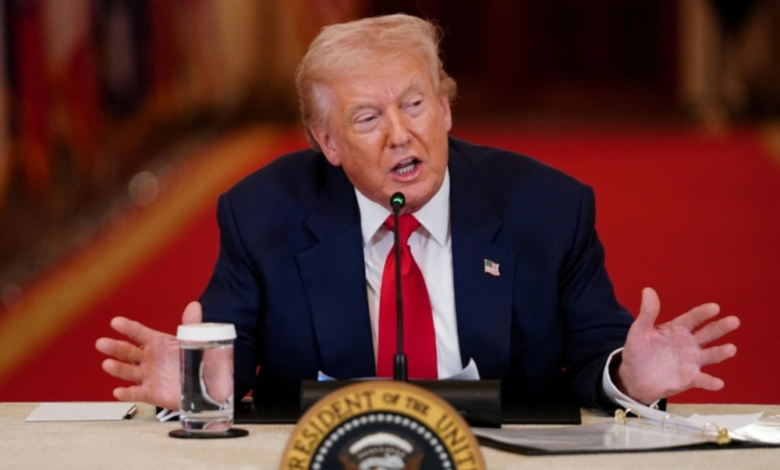
In a significant development on the political and international stage, former US President Donald Trump stated that the United States is moving toward ending its involvement in the current tensions with Iran within a few weeks. These remarks come at a sensitive time, as the Middle East region witnesses an unprecedented escalation and intertwines economic and political interests, particularly given the impact on global energy markets and supply chains.
Trump's statements and the impact of fuel prices on US policy
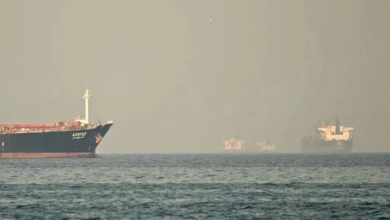
In response to questions about the significant rise in fuel prices in the United States, which reached approximately $4 per gallon, Donald Trump asserted that the solution lies in disengagement and reducing regional tensions. Trump stated unequivocally, "All I have to do is leave Iran, and we'll do it very soon," indicating that this step could take between two and three weeks. This statement reflects a pragmatic approach that links US foreign policy to the domestic economic situation, where oil and fuel prices are among the most critical issues affecting American citizens. Historically, tensions in the Arabian Gulf region and the Strait of Hormuz have directly contributed to increased shipping costs and global oil prices, putting pressure on US administrations to find swift solutions.
The Iranian position: A desire to end the escalation with conditions and guarantees
On the other hand, the Iranian leadership expressed a conditional openness to diplomatic de-escalation. Iranian President Masoud Pezeshkian announced that Tehran possesses the political will to end the conflict and military tensions with both Israel and the United States, which have entered their fifth week in the latest escalation. These statements came during a strategic telephone call Pezeshkian held with European Council President António Costa.
The Iranian president stressed that his country is ready to turn the page on the war, provided that the basic conditions are met, foremost among them obtaining clear and reliable international guarantees that prevent any recurrence of aggression against Iranian territory or interests in the future, which reflects the Iranian state of caution regarding Western political fluctuations.
The historical context of US-Iranian relations
To understand the current situation, one must consider the complex historical background of relations between Washington and Tehran. Since the United States withdrew from the nuclear agreement in 2018 during the Trump administration and implemented its “maximum pressure” policy, relations have experienced successive waves of escalation. These tensions have included crippling economic sanctions that have severely impacted the Iranian economy. This legacy of mistrust makes the issue of “guarantees” demanded by Pezeshkian a major obstacle and a fundamental requirement in any current or future negotiations to ensure the sustainability of any agreement.
Expected regional and international repercussions
These developments are of paramount importance on several levels. Regionally, any US withdrawal from direct conflict or de-escalation with Iran would positively impact maritime security in the Middle East, reducing the likelihood of a full-blown regional war. Internationally, Europe plays a vital role as a balancing force, with European leaders striving to keep channels of dialogue open to avert a new global energy crisis. Stability in the Middle East is crucial for global economic stability, which explains the intense international interest in the statements made by both Trump and the Iranian leadership at this critical juncture.