
شهدت العديد من المحافظات اليمنية خلال الأيام القليلة الماضية موجة غير مسبوقة من الأمطار الغزيرة والسيول الجارفة، مما أسفر عن تضرر أكثر من 27 ألف يمني. وتأتي هذه الكارثة الطبيعية لتضيف عبئاً جديداً على كاهل المواطنين في ظل ظروف إنسانية واقتصادية بالغة التعقيد. إن فيضانات اليمن الأخيرة لم تكن مجرد حدث عابر، بل هي جرس إنذار يسلط الضوء على هشاشة البنية التحتية وتأثيرات التغير المناخي المتسارعة في المنطقة.
السياق العام والخلفية التاريخية للفيضانات في اليمن
تاريخياً، يمر اليمن بموسم أمطار سنوي يبدأ عادة من شهر أبريل ويستمر حتى أواخر أغسطس أو سبتمبر. ومع ذلك، فإن السنوات الأخيرة شهدت تغيراً ملحوظاً في أنماط الطقس، حيث أصبحت الأمطار أكثر غزارة والسيول أكثر تدميراً. يعود هذا التغير بشكل كبير إلى ظاهرة التغير المناخي التي أثرت على شبه الجزيرة العربية بأكملها. وما يزيد من فداحة الكارثة هو السياق العام الذي تعيشه البلاد؛ فمنذ اندلاع النزاع المسلح في عام 2014، تعرضت البنية التحتية لدمار واسع النطاق، وتوقفت عمليات الصيانة الدورية للسدود وقنوات تصريف المياه، مما جعل المدن والقرى وحتى مخيمات النازحين عرضة للغرق والدمار عند أول هطول كثيف للأمطار.
أهمية الحدث وتأثيره المتوقع على مختلف الأصعدة
إن تضرر 27 ألف شخص خلال أيام معدودة يحمل دلالات خطيرة وتأثيرات واسعة النطاق تمتد من المستوى المحلي إلى الإقليمي والدولي، وتتطلب استجابة سريعة وشاملة.
التأثير المحلي: أزمة إنسانية وصحية تتفاقم
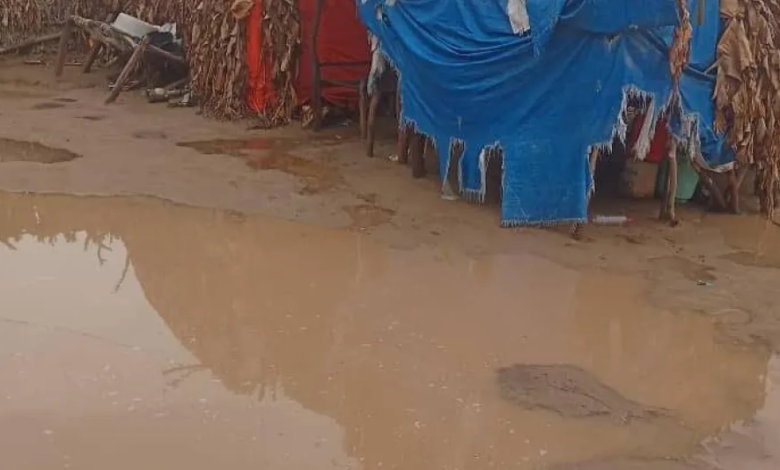
على الصعيد المحلي، أدت الفيضانات إلى جرف الخيام وتدمير الممتلكات، خاصة في مخيمات النازحين داخلياً الذين فقدوا المأوى للمرة الثانية أو الثالثة. كما أن المياه الراكدة والسيول المختلطة بمياه الصرف الصحي تخلق بيئة خصبة لانتشار الأمراض والأوبئة المنقولة بالمياه، مثل الكوليرا والملاريا، وهي أمراض عانى منها اليمن بشدة في السنوات الماضية. بالإضافة إلى ذلك، تتسبب السيول في جرف الأراضي الزراعية وتدمير المحاصيل، مما يهدد الأمن الغذائي لملايين اليمنيين الذين يعتمدون على الزراعة كمصدر أساسي للعيش.
التأثير الإقليمي والدولي: ضغط على جهود الإغاثة
إقليمياً ودولياً، تضع هذه الكارثة ضغوطاً هائلة على المنظمات الإنسانية ووكالات الأمم المتحدة العاملة في اليمن. ففي ظل نقص التمويل العالمي وتعدد الأزمات الدولية، تجد المنظمات الإغاثية صعوبة بالغة في تلبية الاحتياجات الطارئة للنازحين الجدد. يتطلب هذا الحدث استجابة عاجلة من المجتمع الدولي والدول المانحة لتوفير المأوى الطارئ، والمواد الغذائية، والمساعدات الطبية لمنع تفشي الأوبئة.
دعوة للتدخل العاجل وبناء القدرات
في الختام، لا يمكن النظر إلى تضرر 27 ألف يمني من الفيضانات كحدث معزول، بل هو انعكاس لتراكمات من الصراع والتغير المناخي وضعف البنية التحتية. يتطلب الوضع الحالي تدخلاً دولياً عاجلاً ليس فقط لتقديم الإغاثة الطارئة، ولكن أيضاً للاستثمار في مشاريع مستدامة تهدف إلى تحسين البنية التحتية وبناء قدرة المجتمعات المحلية على الصمود في وجه الكوارث الطبيعية المستقبلية.