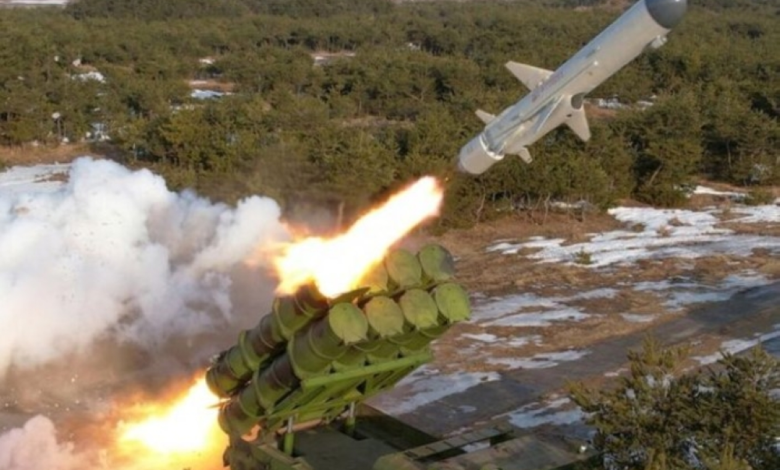

In a move reflecting continued geopolitical tensions on the Korean Peninsula, South Korea’s Joint Chiefs of Staff announced that North Korea tested at least one ballistic missile, launched toward the East Sea (Sea of Japan). This development, reported by South Korea’s Yonhap News Agency, represents the latest in a series of military tests by the nuclear-armed state, raising widespread regional and international concern and pushing the region toward further escalation.
Historical context and international resolutions
The roots of this tension lie in the Korean War (1950-1953), which ended with an armistice, not a peace treaty, meaning that technically, the two Koreas remain at war. Over the past decades, Pyongyang has intensively developed its nuclear and missile programs despite stringent international sanctions. It is worth noting that UN Security Council resolutions explicitly prohibit North Korea from conducting any tests using ballistic missile technology, yet Pyongyang continues to defy these resolutions, claiming them as part of its sovereign right to self-defense against what it describes as hostile policies.
Past experiences and continuous escalation
This launch is not an isolated event. Earlier this month, on April 8, North Korean state media reported a three-day test of various weapons systems, including ballistic missile launches and cluster bomb tests. This accelerated pace of military testing clearly demonstrates North Korean leader Kim Jong Un's efforts to modernize his country's military arsenal and diversify its strategic deterrent capabilities, further diminishing the prospects for resuming diplomatic negotiations.
Deteriorating relations between the two Koreas
On the political front, strategic analysts believe these successive launches indicate North Korea's firm rejection of Seoul's attempts to mend bilateral relations. The past few months have witnessed a marked shift in positions; last January, Seoul expressed regret over the incursion of civilian drones into North Korean airspace. Initially, Kim Yo-jong, the North Korean leader's sister and a powerful figure in the regime, described the statement as "a very wise and appropriate action.".
However, the diplomatic tone quickly shifted to become more aggressive and hostile. Recently, a high-ranking North Korean official declared South Korea to be Pyongyang’s “most hostile enemy state.” This harsh characterization is not new; it is a reiteration of a position previously articulated by leader Kim Jong Un himself, effectively closing the door to any near-term dialogue between the two neighbors and increasing the likelihood of military miscalculation.
Regional and international impact
This escalation has serious implications for regional and international security. On the one hand, this persistent threat is pushing South Korea and Japan to strengthen their military and security cooperation with the United States, leading to an increased military presence and joint exercises in the Pacific region. On the other hand, it presents the international community with a significant challenge: finding new mechanisms to address the North Korean nuclear threat. Pyongyang's continued development of its missile capabilities not only threatens its immediate neighbors but also extends to global stability as a whole, requiring a coordinated international response to prevent a new arms race in Asia.