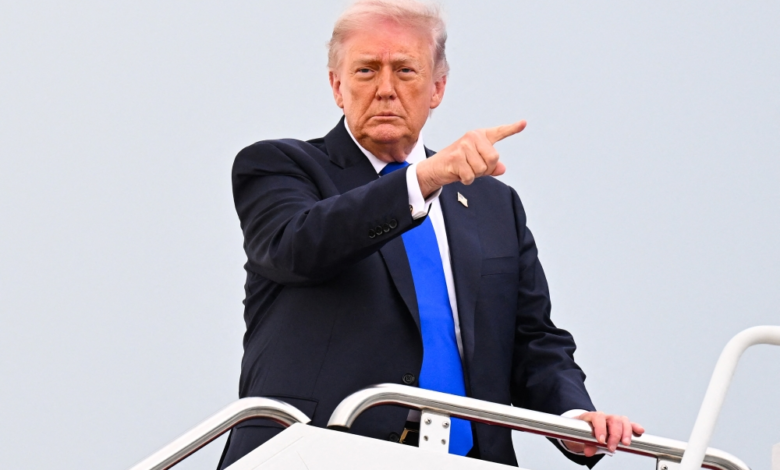

Former US President Donald Trump announced his decision to cancel a planned visit by US envoys to Pakistan, where they were scheduled to participate in indirect talks with Iran mediated by Pakistan. This decision reflects the erratic approach that characterized his administration's policy toward Tehran and adds a new chapter to the ongoing tensions between the two countries.
In an interview with Fox News, Trump explained that he personally ordered the cancellation of the visit, deeming the 18-hour journey pointless. He said, “I told them, ‘No, you’re not going to take an 18-hour trip there. We have all the paperwork. They can call us whenever they want, but you’re not going to make that long trip to sit around a table and talk about nothing.’” This statement reflects Trump’s strategy of applying maximum economic pressure on Iran while selectively keeping the door open for negotiations on his terms.
tense historical context
This development comes amid a period of heightened tension between Washington and Tehran, which escalated significantly after the Trump administration's 2018 decision to unilaterally withdraw from the nuclear agreement (Joint Comprehensive Plan of Action) signed in 2015. Following the withdrawal, the United States reimposed harsh economic sanctions on Iran with the aim of crippling its economy and forcing it back to the negotiating table to reach a new agreement that includes its missile program and regional policies.
Pakistan's role as mediator
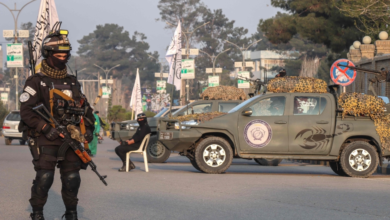
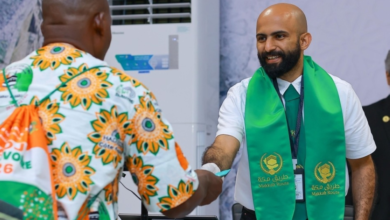
These developments coincided with a visit to Islamabad by then-Iranian Deputy Foreign Minister Abbas Araqchi, which was intended to pave the way for these talks. US envoys Jared Kushner and Steve Witkopf were expected to arrive in Pakistan following Araqchi's visit. Pakistan, which shares a long border with Iran and maintains strategic ties with the United States, plays a sensitive role as a potential mediator to de-escalate tensions in the region, as the stability of its eastern neighbor is a priority for its national security.
The importance of the event and its expected impact
Internationally, the last-minute cancellation of the visit demonstrated the difficulty of building bridges of trust between the two bitter rivals. It also undermined diplomatic efforts by regional actors such as Pakistan and Oman, which are seeking to avert a military confrontation in the Gulf region, vital to global energy supplies. Regionally, the decision sent a message that the Trump administration was unwilling to offer any concessions or goodwill gestures, potentially emboldening hardliners in Iran to reject any dialogue with Washington. Although Araqchi left Islamabad after meetings with senior Pakistani officials, including the prime minister and the army chief, the cancellation of the talks cast doubt on the future of any similar mediation efforts in the near term and kept the region on tenterhooks.