
مقدمة عن تطور العلاقات الأمريكية الكوبية
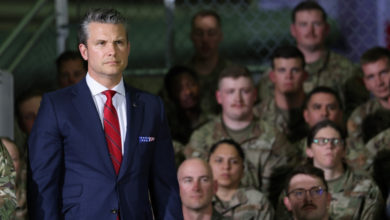
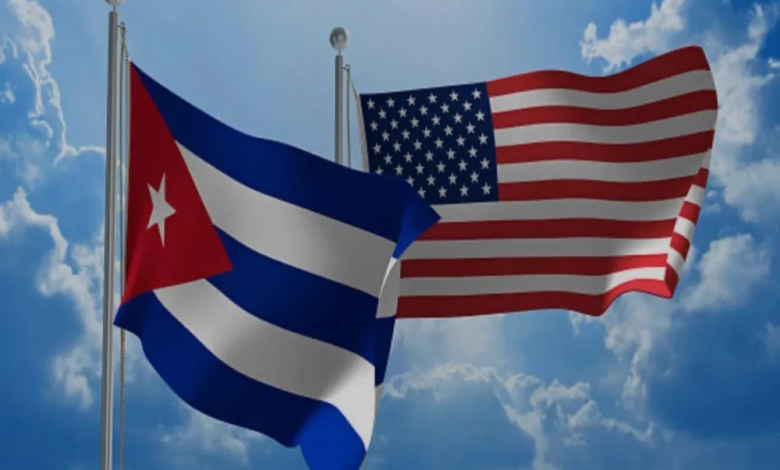
في تطور لافت يعكس تعقيدات المشهد السياسي الدولي، تتجه الأنظار مجدداً نحو منطقة البحر الكاريبي إثر الكشف عن محادثات أمريكية كوبية رفيعة المستوى. فقد التقى مدير وكالة الاستخبارات المركزية الأمريكية، جون راتكليف، بمسؤولين كوبيين في العاصمة هافانا، وذلك في إطار مساعٍ تهدف إلى تعزيز الحوار المباشر بين الولايات المتحدة والجزيرة الكوبية. ووفقاً لما أعلنته الحكومة الكوبية، جاء هذا اللقاء في سياق يتسم بالتعقيد الشديد الذي يطبع العلاقات الثنائية تاريخياً، بهدف المساهمة في فتح قنوات الحوار السياسي بين البلدين، في حين تعذر الحصول على تعليق فوري من وكالة الاستخبارات المركزية لتوضيح تفاصيل أوفى حول مخرجات هذا الاجتماع.
السياق التاريخي للعلاقات بين واشنطن وهافانا
لفهم أهمية هذه المحادثات، يجب العودة إلى الخلفية التاريخية للعلاقات الأمريكية الكوبية، والتي اتسمت بالتوتر والقطيعة منذ نجاح الثورة الكوبية في أواخر الخمسينيات. فرضت الولايات المتحدة حصاراً اقتصادياً وتجارياً شاملاً على كوبا منذ أوائل الستينيات، وهو الحصار الذي لا يزال يلقي بظلاله الثقيلة على الاقتصاد الكوبي حتى اليوم. ورغم محاولات التقارب التاريخية التي حدثت في أواخر عهد الرئيس الأسبق باراك أوباما عام 2015، والتي شهدت إعادة فتح السفارات، إلا أن العلاقات عادت لتشهد تدهوراً كبيراً في السنوات اللاحقة، خاصة مع إعادة إدراج كوبا في قائمة الدول الراعية للإرهاب وفرض عقوبات إضافية.
أزمة القواعد الصينية وموقف كوبا الأمني
من أبرز الملفات الشائكة التي تزيد من تعقيد المشهد هو الاتهام الأمريكي لكوبا باستضافة قواعد تجسس صينية. وفي هذا الصدد، أصدرت الحكومة الكوبية بياناً حازماً أشارت فيه إلى أن التواصل الأخير “أتاح إظهار أن كوبا لا تمثل بأي حال من الأحوال تهديداً للأمن القومي الأمريكي”. وشددت هافانا على عدم وجود أي أسباب مشروعة لإدراجها في قائمة الدول التي يُزعم أنها راعية للإرهاب. وأكد البيان بوضوح أن الجزيرة “لم تدعم مطلقاً أي نشاط عدائي ضد الولايات المتحدة، ولن تسمح بأن تُنفذ انطلاقاً من أراضيها أعمال ضد أي دولة أخرى”، في رد مباشر وصريح على الاتهامات المتعلقة بالوجود الاستخباراتي الصيني.
الوضع الإنساني المتدهور والعقوبات الاقتصادية
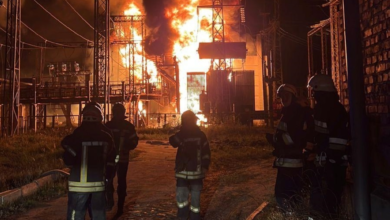
تأتي هذه الزيارة الاستخباراتية والدبلوماسية في وقت تعاني فيه كوبا من أزمة اقتصادية وإنسانية خانقة. فقد شهدت العلاقات تدهوراً إضافياً بعدما فرضت واشنطن حصاراً نفطياً على الجزيرة في شهر يناير الماضي. كما زاد الرئيس الأمريكي دونالد ترامب من حدة الضغوط بفرض عقوبات قاسية، متحدثاً علناً عن مساعي “السيطرة” على الجزيرة. ونتيجة لذلك، تعيش كوبا أوضاعاً متردية للغاية، تتجلى في انقطاع متكرر وطويل للتيار الكهربائي، ونقص حاد في الإمدادات الأساسية والغذائية والطبية.
المساعدات المشروطة ورد الرئاسة الكوبية
في ظل هذه الأزمة، برز مقترح من وزير الخارجية الأمريكي ماركو روبيو، الذي عرض تقديم مساعدات بقيمة 100 مليون دولار لكوبا، ولكن بشرط صارم يتمثل في تولي الكنيسة الكاثوليكية مسؤولية توزيعها بدلاً من الحكومة الكوبية. هذا العرض قوبل برد حاسم من الرئيس الكوبي ميغيل دياز-كانيل، الذي نشر عبر حسابه على منصة “إكس” دعوة صريحة للولايات المتحدة لرفع الحصار بدلاً من تقديم مساعدات مشروطة. وأوضح دياز-كانيل أنه “يمكن تخفيف الضرر بطريقة أبسط وأسرع بكثير عبر رفع الحصار أو تخفيفه”، مندداً بما وصفه بـ “افتعال” الوضع الإنساني المتدهور. ومع ذلك، ترك الباب مفتوحاً للمساعدات غير المشروطة، مشيراً إلى أنه إذا أظهرت واشنطن “إرادة حقيقية” لتقديم المساعدة، “فلن تواجه أي عقبات أو تنكّر من جانب كوبا”.
أهمية الحدث والتأثير المتوقع
تحمل هذه التطورات أهمية بالغة على عدة أصعدة. محلياً، يترقب الشعب الكوبي أي انفراجة قد تخفف من وطأة الأزمة الاقتصادية الطاحنة. وإقليمياً، يعتبر استقرار كوبا عاملاً مهماً لأمن منطقة البحر الكاريبي، وتخفيفاً لحدة موجات الهجرة غير الشرعية نحو السواحل الأمريكية. أما دولياً، فإن أي تقارب أمريكي كوبي يقطع الطريق أمام تمدد النفوذ الصيني والروسي في الحديقة الخلفية للولايات المتحدة. ورغم كل التوترات والتصريحات المتبادلة، تستمر المحادثات الدبلوماسية والأمنية بين الحكومتين في الكواليس، وهو ما تجلى بوضوح في عقد اجتماع دبلوماسي رفيع المستوى في هافانا في العاشر من أبريل، والذي ترافق مع حدث رمزي هام تمثل في أول هبوط لطائرة تابعة للحكومة الأمريكية في العاصمة الكوبية منذ العام 2016، مما يؤكد أن قنوات الاتصال لم تُغلق بالكامل وأن هناك مساعي حثيثة لإدارة الأزمة.