
أحدث تطورات فيروس هانتا في أوروبا والنتائج السلبية
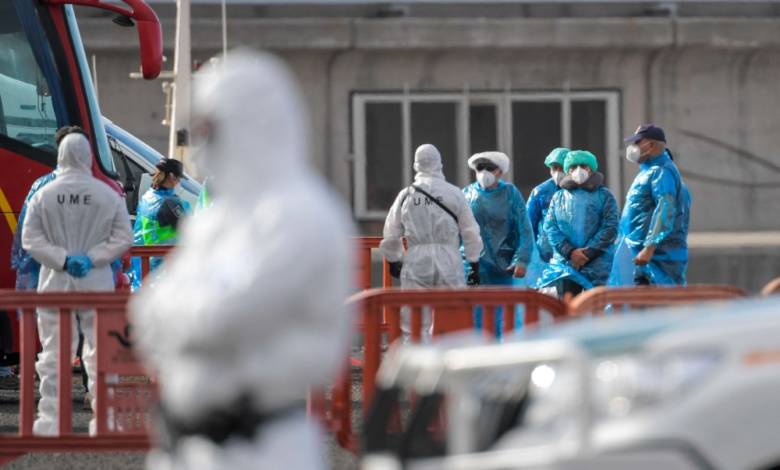
أعلنت السلطات الصحية في فرنسا يوم الخميس عن تطورات مطمئنة بشأن المخاوف المتعلقة بانتشار فيروس هانتا، حيث أكدت أن 26 شخصاً خضعوا للعزل الطبي والمراقبة الدقيقة جاءت نتائج اختباراتهم سلبية. هؤلاء الأشخاص كانوا قد خالطوا مصابين محتملين على صلة بسفينة الرحلات البحرية السياحية ‘إم في هونديوس’ (MV Hondius). وفي سياق متصل، طمأنت السلطات الهولندية الرأي العام بأن جميع الأشخاص الذين تم إجلاؤهم من السفينة ووصلوا إلى هولندا هذا الأسبوع، قد أظهرت الفحوصات المخبرية خلوهم من المرض، مما يقلل من احتمالات تفشي الوباء على نطاق واسع.
إجراءات العزل في المستشفيات والرقابة الصحية
خضع 26 شخصاً لإجراءات العزل الصارمة في المستشفيات الفرنسية كإجراء احترازي. ومن بين هؤلاء، تم تحديد 22 شخصاً على أنهم من المخالطين عن قرب لامرأة هولندية كانت على متن السفينة السياحية المذكورة. وقد شكلت هذه السفينة محور إنذار صحي دولي بشأن هذا المرض النادر، والذي يُعرف علمياً بأنه ينتقل عادة إلى البشر عن طريق استنشاق الرذاذ الملوث بفضلات القوارض المصابة.
إلى جانب ذلك، يواصل الأطباء الفرنسيون متابعة الحالة الصحية لأربعة أشخاص آخرين كانوا ضمن ركاب السفينة. في المقابل، تم تأكيد إصابة راكبة فرنسية خامسة بفيروس هانتا، حيث ترقد حالياً في حالة صحية حرجة داخل إحدى المستشفيات الفرنسية وتتلقى الرعاية الطبية الفائقة.
السياق العام والتسلسل الزمني للإصابات
تعود بداية القلق الدولي إلى مسار رحلة المرأة الهولندية التي توفيت جراء الإصابة. فقد كان 22 شخصاً من المعزولين حالياً في فرنسا متواجدين على متن رحلة جوية انطلقت من جزيرة سانت هيلينا في المحيط الأطلسي متجهة إلى جوهانسبرغ، أو على متن رحلة أخرى من جوهانسبرغ إلى أمستردام. وكان من المقرر أن تستقل الراكبة الهولندية هذه الرحلة، إلا أن تدهور حالتها الصحية استدعى إنزالها من الطائرة، لتفارق الحياة لاحقاً في أحد مستشفيات جنوب إفريقيا.
على الصعيد العالمي، تشير الإحصائيات الرسمية إلى وفاة ثلاثة أشخاص إثر إصابتهم بفيروس هانتا مؤخراً، مع تأكيد إصابة ستة أشخاص آخرين، وتسجيل حالة واحدة محتملة قيد التقييم.
حالة المواطن الأمريكي وتقييم المخاطر العامة
فيما يخص الركاب الدوليين، أثار وضع مواطن أمريكي كان على متن سفينة ‘إم في هونديوس’ بعض القلق الأولي. فقد أظهرت الفحوصات المبدئية إيجابية إصابته بفيروس هانتا رغم عدم ظهور أي أعراض سريرية عليه. ومع ذلك، أكدت السلطات الصحية الأمريكية لاحقاً أن النتيجة النهائية للفحص جاءت سلبية. وكان هذا الراكب قد وُضع تحت المراقبة في وحدة احتواء بيولوجي متخصصة بعد الاختبار الأول الذي اعتبره الطاقم الطبي غير حاسم.
وقد شددت السلطات الصحية العالمية والمحلية على أن الخطر الذي يهدد عامة الناس يظل منخفضاً جداً.
الخلفية التاريخية والتأثير المتوقع لفيروس هانتا
تاريخياً، تم اكتشاف فيروس هانتا لأول مرة في منطقة نهر هانتان في كوريا الجنوبية خلال السبعينيات. وعلى عكس العديد من الفيروسات التنفسية الأخرى، فإن سلالات فيروس هانتا لا تنتقل عادة من إنسان إلى آخر، باستثناء سلالة ‘الأنديز’ النادرة الموجودة في أمريكا الجنوبية، وهو ما يفسر الاستنفار الطبي السريع عند الاشتباه بانتقال العدوى بين المخالطين.
يحمل هذا الحدث أهمية كبيرة على عدة مستويات؛ فعلى المستوى المحلي والإقليمي في أوروبا، أثبتت بروتوكولات الاستجابة السريعة والعزل الصحي فعاليتها في احتواء الذعر ومنع انتشار العدوى. أما على المستوى الدولي، فإن التنسيق بين السلطات في فرنسا، هولندا، جنوب إفريقيا، والولايات المتحدة يسلط الضوء على أهمية التعاون العالمي في تتبع المخالطين وإدارة الأزمات الصحية المرتبطة بالسفن السياحية وحركة الطيران، مما يعزز من قدرة الأنظمة الصحية على التصدي للأوبئة المستقبلية بكفاءة عالية.