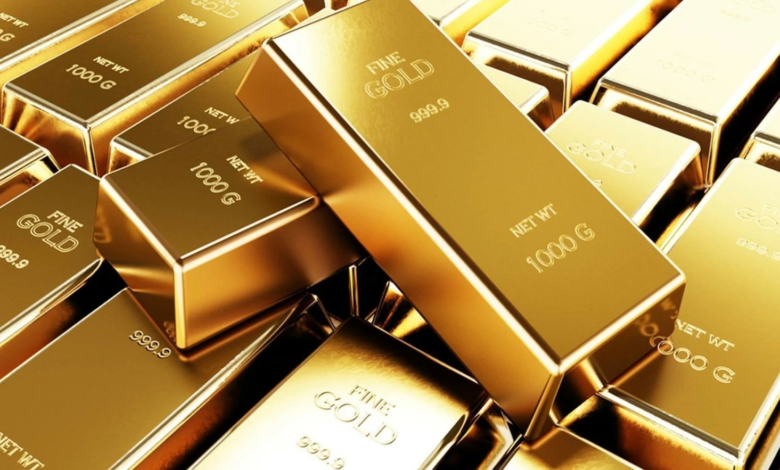

Gold prices were relatively stable in spot trading on Friday, but the precious metal is still on track for a weekly loss. This volatile performance comes amid investor caution and the influence of two key factors currently weighing on markets: the continued rise in oil prices and growing concerns about a global inflation wave that could prompt central banks to tighten their monetary policies.
In trading details, spot gold prices remained largely unchanged, holding near the levels reached in the previous session, which saw a significant rise. Meanwhile, US gold futures saw a slight increase, reflecting the cautious sentiment prevailing among market participants.
The historical context of gold as a safe haven
Throughout history, gold has played a pivotal role as a safe haven for investors seeking to protect their wealth during times of economic and geopolitical crisis. The precious metal is viewed as a true asset that retains its value over the long term, unlike paper currencies which are affected by fluctuations in government policies and inflation rates. This historical role explains why demand for gold increases when uncertainty prevails in global financial markets, as it provides investors with a sense of security and stability.
The impact of inflation and oil prices on gold
The relationship between gold and inflation is generally direct. When inflation rates rise, the purchasing power of currencies erodes, prompting investors to shift their funds into assets that retain their value, such as gold. Rising oil prices are a major driver of inflation, as energy constitutes a fundamental component of the cost of producing and transporting most goods and services. Consequently, current concerns about energy prices translate directly into increased demand for gold as a hedge against anticipated inflation.
Importance and expected impacts on markets
The stability of gold prices at their current levels has far-reaching implications. Internationally, major central banks, most notably the US Federal Reserve, are awaiting inflation data to inform their interest rate decisions. Any hint of a rate hike to curb inflation could put downward pressure on gold, as it increases the opportunity cost of holding the non-yielding asset. Regionally and locally, particularly in the Middle East, gold prices directly impact individual consumers and investors who view it as a primary savings tool and an integral part of their social traditions. With the rising prices of other precious metals, such as silver and platinum, which have extensive industrial applications, the global economic landscape appears complex, as markets grapple with the tension between recession fears and inflationary pressures.