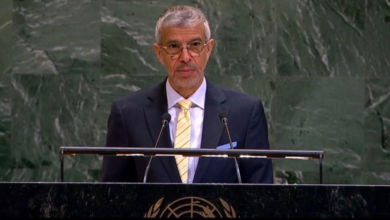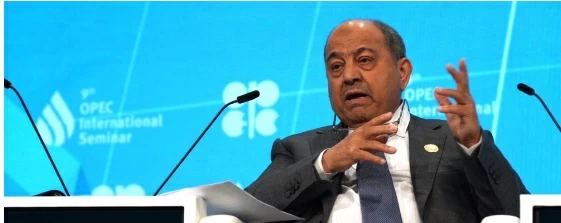

Kuwaiti Oil Minister Emad Al-Ateeqi reaffirmed Kuwait's unwavering commitment to working in complete harmony and coordination within the Organization of the Petroleum Exporting Countries (OPEC) and the OPEC+ alliance, emphasizing the importance of collective responsibility and constructive dialogue to achieve balance and stability in global oil markets. This statement followed his leadership of the Kuwaiti delegation participating in the meeting of member states of the agreement to exit the voluntary production cuts, which aims to regularly monitor market developments and ensure security of supply.
General context and historical background
Kuwait is one of the five founding members of OPEC, which was established in Baghdad in 1960 to coordinate and unify the petroleum policies of its member states. Since then, Kuwait has played a pivotal role in the organization's decisions, which aim to protect the interests of producing countries and ensure market stability. In 2016, with the changing dynamics of the global energy market and the emergence of major producers outside the organization, the OPEC+ alliance was formed, comprising OPEC members and ten other oil-producing countries, most notably Russia. This alliance has proven its ability to manage the market more effectively, particularly in the face of major challenges such as the repercussions of the 2020 COVID-19 pandemic, which led to a collapse in global demand.
The importance of the decision and its expected impact
The recent meeting comes as a follow-up to the decision to gradually exit the voluntary production cut agreement, reflecting a balanced and well-considered approach that responds to evolving market needs. The Minister explained that this approach will see an increase in total production of 188,000 barrels per day by June 2026, raising Kuwait's production to 2.628 million barrels per day by that date. This decision has multiple dimensions:
- Domestically, the Kuwaiti economy is heavily reliant on oil revenues. Therefore, stable prices at reasonable levels ensure sustainable cash flow to finance the state budget, support development projects, and realize the "New Kuwait 2035" vision.
- On a regional level: The unified stance of the OPEC+ countries, especially the Gulf Cooperation Council countries, enhances the region’s position as a globally reliable energy supplier and sends a strong message to the markets about the alliance’s seriousness in maintaining balance.
- Internationally, stable oil markets help curb global inflation, as energy prices directly impact transportation and production costs across all economic sectors. OPEC+'s balanced policies aim to avoid sharp price fluctuations that could harm global economic growth, affecting both producers and consumers.
Commitment to ongoing cooperation and coordination
Minister Al-Ateeqi emphasized that Kuwait, through its active role in OPEC and OPEC+, continues to strengthen the principles of cooperation and coordination among producing countries. He noted that this alliance, which currently comprises 22 countries, represents an essential and indispensable framework for the stability of the global oil market, affirming the organization's ability and success in keeping pace with global economic growth and maintaining a balanced and productive dialogue with consuming countries to ensure energy security for all.