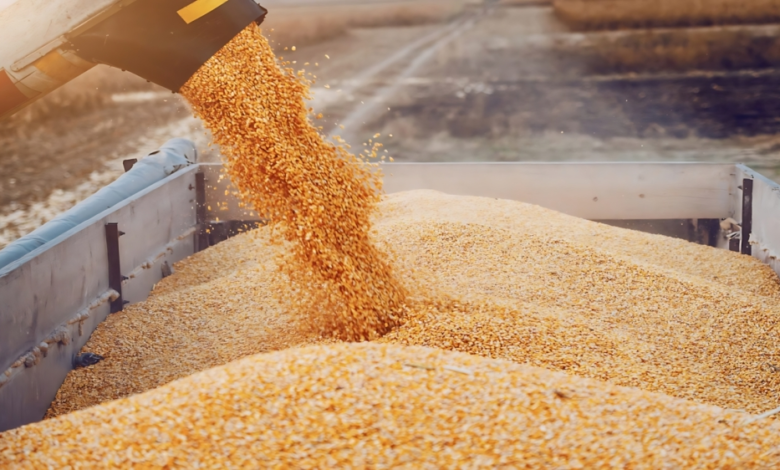

أعلنت منظمة الأغذية والزراعة للأمم المتحدة (الفاو)، أن أسعار المواد الغذائية العالمية سجلت ارتفاعًا للشهر الثالث على التوالي في شهر أبريل، مدفوعة بشكل أساسي بالزيادات في أسعار الزيوت النباتية واللحوم، على الرغم من تراجع أسعار الحبوب ومنتجات الألبان والسكر بشكل طفيف.
ووفقًا للتقرير الشهري الصادر عن المنظمة، بلغ متوسط مؤشر “الفاو” لأسعار الأغذية، الذي يتتبع التغيرات الشهرية في الأسعار الدولية لسلة من السلع الغذائية الأساسية، 130.7 نقطة في أبريل، مسجلاً زيادة بنسبة 1.6% مقارنة بمستواه المعدل في شهر مارس. وعلى الرغم من هذا الارتفاع المتتالي، لا يزال المؤشر أقل بنسبة 7.4% عن مستواه المسجل في نفس الفترة من العام الماضي.
السياق العام لتقلبات الأسعار
يأتي هذا الارتفاع في سياق فترة من التقلبات الحادة التي شهدتها أسواق الغذاء العالمية خلال السنوات القليلة الماضية. ففي عام 2022، وصلت أسعار الغذاء إلى مستويات قياسية تاريخية، متأثرة بمجموعة من العوامل المتشابكة، أبرزها تداعيات جائحة كوفيد-19 التي أثرت على سلاسل الإمداد، والنزاع في أوكرانيا الذي عطل صادرات الحبوب والزيوت من منطقة البحر الأسود، بالإضافة إلى ارتفاع أسعار الطاقة والأسمدة. ورغم انحسار الأسعار عن ذروتها، فإن الارتفاعات الأخيرة تثير القلق مجددًا بشأن استقرار الأسواق وتكاليف الغذاء على المستهلكين حول العالم.
أهمية الحدث وتأثيره المتوقع
يحمل ارتفاع أسعار الغذاء العالمية تداعيات اقتصادية واجتماعية واسعة النطاق. على المستوى الدولي، يساهم هذا الارتفاع في زيادة الضغوط التضخمية التي تواجهها العديد من الاقتصادات، مما قد يدفع البنوك المركزية إلى الإبقاء على سياسات نقدية متشددة. أما على المستوى الإقليمي، فإن الدول المستوردة الصافية للغذاء، خاصة في منطقة الشرق الأوسط وشمال أفريقيا، تكون الأكثر عرضة للتأثر، حيث يؤدي ارتفاع فاتورة الاستيراد إلى الضغط على ميزانياتها وعملاتها المحلية.
محليًا، ينعكس هذا الارتفاع بشكل مباشر على المستهلكين من خلال زيادة تكلفة المعيشة، ويؤثر بشكل أكبر على الأسر ذات الدخل المحدود التي تنفق نسبة كبيرة من دخلها على الغذاء. وقد يؤدي استمرار هذا الاتجاه إلى تفاقم تحديات الأمن الغذائي في الدول الأكثر فقرًا، مما يتطلب استجابات سياسية دقيقة لضمان حماية الفئات الأكثر ضعفًا.
نظرة مستقبلية وتوقعات إنتاج الحبوب
في تقرير منفصل حول إمدادات الحبوب والطلب عليها، أبقت منظمة “الفاو” على توقعاتها لإنتاج الحبوب العالمي لعام 2025 عند مستوى قياسي يبلغ 3.040 مليار طن، بزيادة قدرها 6% عن مستويات العام السابق. ويعود هذا التفاؤل إلى توقعات بإنتاج وفير من الذرة والشعير والأرز. إذا تحققت هذه التوقعات، فإن زيادة المعروض من الحبوب قد تساهم في كبح جماح الأسعار في هذا القطاع الحيوي، مما يوفر بعض الارتياح للأسواق العالمية ويخفف من حدة الارتفاعات في أسعار السلع الغذائية الأخرى.