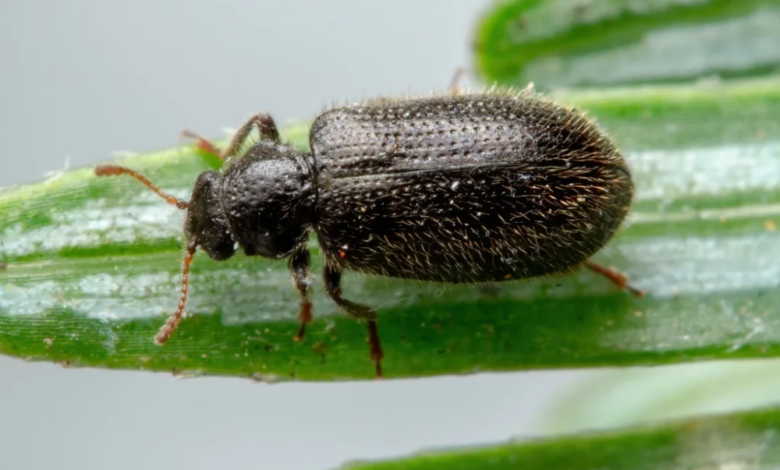

Several regions in Saudi Arabia are witnessing a remarkable environmental phenomenon during the spring rainy season: a surge in the number of predatory beetles. In this context, Dr. Mohammed Al-Khuraiji, Head of the Plant Health Sector at the “Wiqa” Center, confirmed that this noticeable increase is a positive and healthy indicator, reflecting improved vegetation cover and a more active ecosystem. This coincides with the onset of milder weather and the growth of natural grasses that blanket the land after rainfall.
General context and historical background of biological control
Historically, rainy seasons in the Arabian Peninsula have been associated with flourishing vegetation, which in turn stimulates the life cycle of many organisms. The practice of using beneficial insects to control pests is known as "biocontrol," an ancient yet modern agricultural practice that relies on nature to restore balance without the need for harmful chemical interventions. With the growing global and local focus on sustainability, particularly in light of major environmental initiatives such as "Green Saudi Arabia," monitoring these natural phenomena has become an integral part of strategies for protecting the environment and natural resources.
The importance of the event and its expected impact locally and internationally
Dr. Al-Khuraiji explained that seasonal rains directly contribute to providing a fertile and suitable environment for the growth of plants and grasses, which in turn leads to an increase in insect populations in general. This, in turn, activates predatory beetles and other beneficial insects that play a crucial role in the biological control of agricultural pests. This precise synchronization reflects a natural balance and ecological dynamic that helps protect crops from damage and enhances the sustainability of agricultural production.
Locally, this balance supports farmers and reduces pesticide costs, positively impacting crop quality, food safety, and food security. Regionally and internationally, the Kingdom's success in managing and monitoring this ecosystem aligns with the United Nations Sustainable Development Goals, which call for preserving biodiversity and reducing the chemical footprint in agriculture to address climate change.
Beneficial organisms and ongoing monitoring efforts
Al-Khuraiji explained that the local environment in the Kingdom is very rich in beneficial organisms, whether predatory insects, parasites, or microorganisms that effectively contribute to limiting the spread of pests. He pointed out that the monitoring and exploration teams at the “Wiqa’a” Center continue their close and field monitoring of these phenomena during the rainy season. This monitoring is essential because it provides important environmental indicators that help decision-makers take early preventive measures to support the agricultural sector.
Community partnership and protecting food security
The head of the plant health sector noted that the center's investigation teams are working around the clock to monitor environmental changes associated with the rainy season and to detect any abnormal increase in insect or pest populations. This diligent work ensures a rapid response and the timely provision of necessary technical guidance to farmers to prevent any potential losses.
In closing, Dr. Al-Khuraiji emphasized the critical importance of cooperation between farmers and the general public with the relevant authorities during this sensitive period. He affirmed that community partnership is the cornerstone of a successful prevention and early response system. He urged everyone to obtain information only from official and accredited sources and to promptly report any unusual observations from the field, which will ultimately contribute to protecting agricultural crops and maintaining ecological balance amidst the climatic fluctuations associated with the rainy season.