
أوضح رئيس الجمعية الفلكية بجدة، المهندس ماجد أبوزاهرة، أن شهر أبريل يطل هذا العام كواحد من أفضل الفترات الزمنية لرصد السماء ومتابعة الظواهر الفلكية. وتكتمل في هذا الشهر ملامح فصل الربيع في النصف الشمالي من الكرة الأرضية، حيث تتهيأ الظروف الجوية المثالية التي تجمع بين صفاء السماء واعتدال درجات الحرارة، مما يمنح هواة الفلك والمهتمين فرصة استثنائية لمتابعة الأحداث الكونيه بدقة ووضوح.
السياق التاريخي والأهمية العلمية للرصد الفلكي
تاريخياً، ارتبطت مراقبة السماء في المنطقة العربية بتحديد المواسم الزراعية والملاحة البرية والبحرية. واليوم، يكتسب الرصد الفلكي في شهر أبريل أهمية خاصة، كونه يمثل مرحلة انتقالية تتغير فيها خريطة السماء الليلية. وبيّن أبوزاهرة أن سماء أبريل تشهد تحولاً موسمياً لافتاً، إذ تبدأ كوكبات الشتاء في الانسحاب التدريجي نحو الأفق الغربي، معلنة نهاية حضورها، في وقت تفرض فيه كوكبات الربيع سيطرتها على قبة السماء، حاملة مشاهد فلكية جديدة وأهدافاً رصدية متنوعة تجذب الباحثين والهواة على حد سواء.
وداع كوكبة الجوزاء ورصد سديم الجبار
وأشار إلى أن كوكبة الجوزاء (Orion) تدخل خلال هذا الشهر مرحلتها الأخيرة في سماء المساء. يمكن رصدها في بداية أبريل منخفضة في الأفق الغربي بعد غروب الشمس، قبل أن تتراجع تدريجياً حتى تختفي مع نهاية الشهر. ويرجع ذلك إلى حركة الأرض المدارية حول الشمس، والتي تغيّر زاوية رؤيتنا للسماء، مبتعدة عن نطاق كوكبات الشتاء، على أن تعود الجوزاء للظهور مجدداً في سماء المساء مع حلول فصل الخريف.
وفي سياق الظواهر اللافتة، أكد أن أبريل يمثل الفرصة الأخيرة هذا الموسم لرصد سديم الجبار (M42). هذا السديم، الذي يبعد عن الأرض حوالي 1344 سنة ضوئية، يعتبر من أقرب مناطق تشكل النجوم الكثيفة إلينا. يظهر بالعين المجردة كبقعة ضبابية خافتة، بينما تكشف المناظير عن تفاصيله الدقيقة، وتُظهر التلسكوبات توهجه الأخضر الناتج عن تأين الغازات، خاصة الأكسجين والهيدروجين، مما يجعله مختبراً طبيعياً لعلماء الفيزياء الفلكية لدراسة ولادة النجوم.
القمر ومهمة أرتميس: طموح بشري متجدد
وأضاف أن القمر يقدم خلال الشهر عرضاً متدرجاً من أطواره، ويمكن تسميته محلياً بـ«قمر الفراشة» في إسقاط ثقافي يعكس دورة الحياة في الطبيعة وتجددها في فصل الربيع. وتتجه الأنظار الدولية والمحلية إلى القمر في ظل الترقب العالمي لمهمة «أرتميس 2» التابعة لوكالة ناسا، والتي تمثل خطوة محورية نحو عودة الإنسان إلى سطح القمر لأول مرة منذ رحلة أبولو 17 في عام 1972. هذا الترقب يضفي بعداً علمياً ومعنوياً إضافياً على عمليات الرصد القمري، حيث يربط بين المراقبة الأرضية البسيطة ومستقبل استكشاف الفضاء العميق.
ذروة زخة شهب القيثاريات
وعن زخات الشهب، أوضح أن زخة شهب القيثاريات ستبلغ ذروتها فجر يوم 23 أبريل. وتعتبر القيثاريات من أقدم زخات الشهب المسجلة في التاريخ، حيث رصدها الفلكيون الصينيون منذ عام 687 قبل الميلاد. وتأتي هذه الزخة في ظروف مثالية هذا العام لعدم تأثرها بضوء القمر. تنشأ هذه الشهب نتيجة مرور الأرض عبر بقايا مذنب «تاتشر» (C/1861 G1 Thatcher)، حيث يمكن مشاهدة نحو 20 شهاباً في الساعة في المواقع المظلمة، وتبدو وكأنها تنطلق من كوكبة القيثارة التي يتألق فيها النجم اللامع «النسر الواقع».
رصد المجرات والكواكب: من الأسد إلى الدب الأكبر
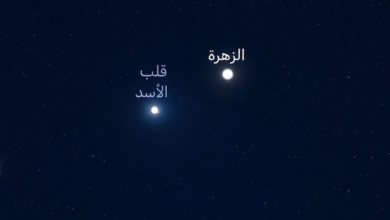
وبيّن أنه مع أفول نجوم الجوزاء، تتصدر كوكبة الأسد مشهد السماء، حيث تبرز في منتصف الليل تقريباً، وتضم النجم الساطع «قلب الأسد» (Regulus). ولفت إلى إمكانية رصد «ثلاثية مجرات الأسد» (Leo Triplet) باستخدام تلسكوبات صغيرة، وهي مجموعة مدهشة من المجرات الحلزونية تتفاعل مع بعضها جاذبياً وتبعد نحو 35 مليون سنة ضوئية، وتعد من أبرز أهداف الرصد لعشاق الفضاء العميق.
وعلى امتداد الأفق الشمالي، أشار إلى سهولة التعرف على كوكبة الدب الأكبر، التي تأخذ شكل «المغرفة الكبرى»، والتي استخدمت تاريخياً للاستدلال على النجم القطبي (الشمال) وتوجيه القوافل والسفن. وفيما يتعلق بالكواكب، يواصل كوكب الزهرة تألقه كألمع جرم في سماء المساء بعد غروب الشمس في الأفق الغربي، فيما يظهر كوكبا زحل والمريخ منخفضين في الأفق الشرقي قبيل شروق الشمس، في حين يقترب كوكب المشتري تدريجياً من وهج الشمس مع تقدم أيام الشهر.
واختتم بالتأكيد على أن شهر أبريل يمثل جسراً زمنياً فلكياً يربط بين ضوء المجرات القادمة من أعماق الماضي السحيق، والطموحات المستقبلية للبشرية في استكشاف الفضاء، مشيراً إلى أن السماء في هذا التوقيت تظل مفتوحة على مشاهد متجددة لا تكف عن الإدهاش.