
مقدمة عن الحدث الفلكي المرتقب
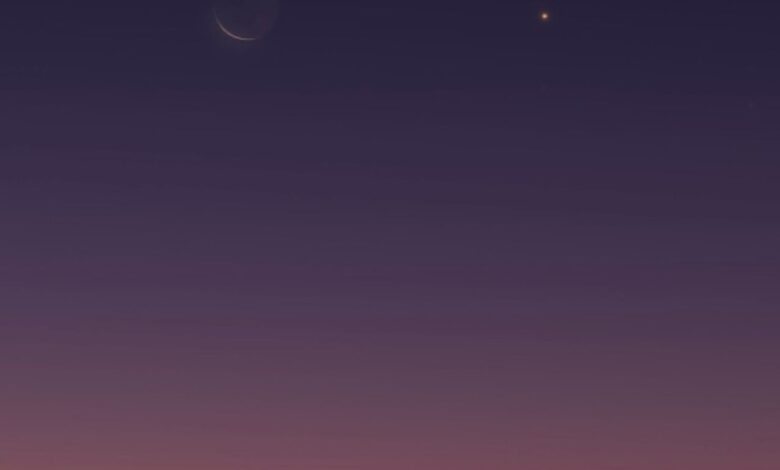
تستعد سماء العالم العربي لاستقبال مشهد فلكي استثنائي يجمع بين سحر الطبيعة ودقة النظام الكوني، حيث أوضح المهندس ماجد أبو زاهرة، رئيس الجمعية الفلكية بجدة، أن عشاق الفلك ومحبي مراقبة السماء سيكونون على موعد فجر يوم الجمعة الموافق 15 مايو 2026 مع ظاهرة اقتران هلال نهاية شهر ذي القعدة بكوكب المريخ. هذه الظاهرة الفلكية الخلابة ستكون مرئية بوضوح بالعين المجردة قبل شروق الشمس، مما يتيح فرصة نادرة لالتقاط الصور وتأمل جمال الكون في الساعات الأولى من الصباح.
تفاصيل ظاهرة اقتران القمر والمريخ
في الساعات الأولى من فجر الجمعة، ستتجه أنظار الراصدين نحو الأفق الشرقي، حيث سيشرق القمر في طور هلال متناقص رقيق جداً، ليعلن بذلك اقتراب نهاية الشهر الهجري ودخول الأيام الأخيرة قبل تحري هلال شهر ذي الحجة. وبجوار هذا الهلال الرقيق، سيظهر كوكب المريخ، المعروف بالكوكب الأحمر، كنقطة ضوئية مائلة إلى الحمرة، مما يضفي بعداً جمالياً ساحراً على المشهد السماوي. وأضاف أبو زاهرة أن ظاهرة الاقتران تحدث نتيجة اصطفاف الأجرام السماوية على خط رؤية واحد تقريباً من منظور الراصد على كوكب الأرض، رغم أن المسافة الفعلية التي تفصل بين القمر والمريخ في الفضاء الخارجي تقدر بملايين الكيلومترات.
زحل يكمل اللوحة السماوية
لن يقتصر هذا العرض الفلكي على القمر والمريخ فحسب، بل سيزدان المشهد بظهور كوكب زحل، جوهرة النظام الشمسي، في أعلى المشهد بالسماء الشرقية. هذا التجمع الثلاثي يمنح المهتمين بالتصوير الفلكي فرصة ذهبية لالتقاط ثلاثة أجرام سماوية بارزة في إطار واحد خلال ساعات الفجر. وللحصول على أفضل تجربة رصد، يُنصح بالبدء في المراقبة قبل نحو ساعتين من شروق الشمس، وذلك قبل أن يطغى ضوء الفجر الساطع على لمعان كوكب المريخ وزحل.
ظاهرة “نور الأرض” وحركة القمر
من الظواهر البصرية المثيرة التي سترافق هذا الحدث ما يُعرف فلكياً باسم “نور الأرض”. نظراً لاقتراب القمر من مرحلة المحاق، سيبدو الهلال رقيقاً للغاية، بينما يمكن ملاحظة الجزء غير المضاء من قرص القمر مضاءً بشكل خافت. يحدث هذا نتيجة انعكاس ضوء الشمس عن سطح الأرض وسقوطه على القمر. وأوضح رئيس الجمعية الفلكية بجدة أن القمر يتحرك شرقاً أمام النجوم والكواكب بمعدل يقارب 13 درجة يومياً، مما يعني أن موقعه واقتراناته تتغير بصورة ملحوظة من ليلة إلى أخرى، وهو ما يجعل مراقبة السماء تجربة متجددة باستمرار.
السياق التاريخي والأهمية العلمية
تاريخياً، حظيت ظواهر الاقتران باهتمام بالغ من قبل الحضارات القديمة، وخاصة العرب الذين برعوا في علم الفلك واستخدموا مواقع النجوم والكواكب في الملاحة الصحراوية والبحرية، وتحديد بدايات الأشهر الهجرية. وفي العصر الحديث، تكتسب هذه الظواهر أهمية كبرى في تعزيز الثقافة العلمية ونشر الوعي الفلكي بين أفراد المجتمع. إن رصد مثل هذه الأحداث يساهم في ربط الجمهور بالعلوم التطبيقية، ويشجع الشباب والطلاب على الاهتمام بعلوم الفضاء، خاصة في ظل التوجه الإقليمي المتزايد نحو استكشاف الفضاء، كما نرى في المبادرات الفضائية الطموحة في المملكة العربية السعودية والعالم العربي.
نصائح لرصد الظاهرة بنجاح
لضمان مشاهدة ممتعة وواضحة، نصح أبو زاهرة باختيار مواقع رصد تتميز بأفق شرقي مكشوف، بعيداً عن العوائق البصرية مثل المباني الشاهقة والأشجار الكثيفة، وكذلك بعيداً عن التلوث الضوئي للمدن. ورغم أن مشاهدة هذا الاقتران لا تتطلب استخدام التلسكوبات ويمكن الاستمتاع به بالعين المجردة، إلا أن استخدام المناظير المزدوجة (الدربيل) سيساعد بشكل كبير على إظهار تفاصيل إضافية مذهلة لهلال القمر والجزء المضاء بنور الأرض، مما يجعلها فرصة مثالية للتأمل في دقة حركة الأجرام السماوية وروعة النظام الكوني.