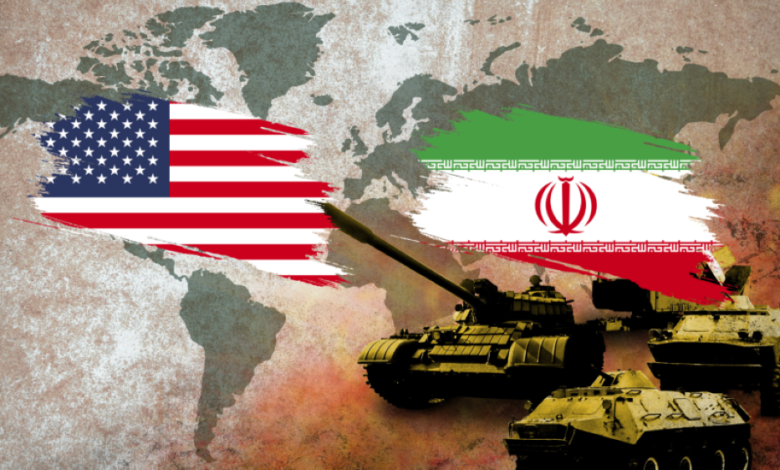

The fragile truce ends amid international anticipation
Iranian state television announced that the informal ceasefire with the United States, which lasted 14 days and went into effect on April 8, would end at 3:30 a.m. Tehran time on Wednesday. This announcement coincided with statements by former US President Donald Trump, who indicated that the truce might end Wednesday evening Washington time, deeming its extension “unlikely.” The end of this temporary lull raises serious questions about the future of tensions in the Middle East and whether the parties will return to the cycle of military escalation that preceded it.
A historical background of ongoing tension
This truce was merely a brief respite in a long history of hostility between Washington and Tehran, dating back to the 1979 Islamic Revolution in Iran. Tensions reached a boiling point in recent years following US President Donald Trump’s 2018 decision to unilaterally withdraw from the nuclear agreement (the Joint Comprehensive Plan of Action), signed in 2015 to curb Iran’s nuclear program in exchange for sanctions relief. The US withdrawal was followed by a “maximum pressure” campaign that included the reimposition of crippling economic sanctions on Iran, leading to a sharp deterioration in relations and prompting Tehran to gradually roll back its nuclear commitments.
The importance of the event and its expected impact
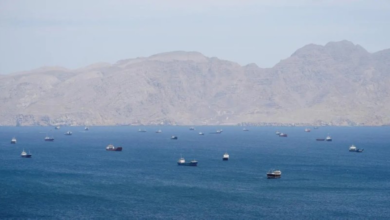
The end of the truce carries significant regional and international repercussions. Regionally, observers fear a resurgence of attacks by Iranian-backed militias against US forces and interests in Iraq and Syria. This development also raises concerns about maritime security in the Strait of Hormuz, a vital waterway through which a fifth of the world's oil supply passes. Any escalation in this region could lead to an immediate spike in global oil prices, further burdening a global economy already facing numerous challenges. Internationally, the collapse of the truce could complicate diplomatic efforts to revive nuclear negotiations or reach new understandings, increasing the risk of a slide into direct military confrontation, which neither side openly desires.
Mediation efforts and an uncertain future
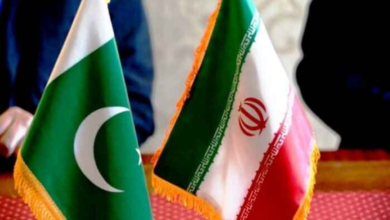
Amid these developments, regional mediation efforts emerged, with Pakistan inviting both sides to a second round of talks in Islamabad aimed at building trust and extending the ceasefire. However, Tehran has not yet issued an official response to this invitation, which some have interpreted as an indication of its cautious or even hardline stance. With the deadline having passed, the world awaits the next step, wondering whether back channels and diplomatic pressure will succeed in curbing the escalation, or whether the region is headed for a new round of conflict with potentially disastrous consequences for all.