
في مأساة إنسانية تسلط الضوء على خطورة الأمراض التي يمكن الوقاية منها، أعلنت السلطات الصحية في بنغلاديش عن وفاة 194 طفلاً جراء تفشي مرض الحصبة، الذي يوصف بأنه الأسوأ في منطقة جنوب آسيا منذ عقود. وأفادت التقارير الرسمية بأن إجمالي عدد الإصابات المؤكدة قد تجاوز 28 ألف حالة، مع تسجيل ما بين ثلاث إلى خمس وفيات يومياً بين الأطفال خلال الأسبوع الماضي، مما يضع النظام الصحي في البلاد تحت ضغط هائل.
جهود حكومية عاجلة لاحتواء الأزمة
في محاولة يائسة للسيطرة على انتشار الفيروس شديد العدوى، أطلقت الحكومة البنغلاديشية برنامج تطعيم طارئاً في 15 مارس، يستهدف تحصين ما يقرب من 18 مليون طفل في جميع أنحاء البلاد. وتأتي هذه الحملة كاستجابة مباشرة للأرقام المقلقة التي أظهرت تسارعاً في وتيرة انتشار المرض، حيث شهدت العاصمة دكا وحدها وفاة ثلاثة أطفال يوم الأربعاء الماضي، تبعهم طفلان آخران في اليوم التالي.
ما هي الحصبة وما مدى خطورتها؟
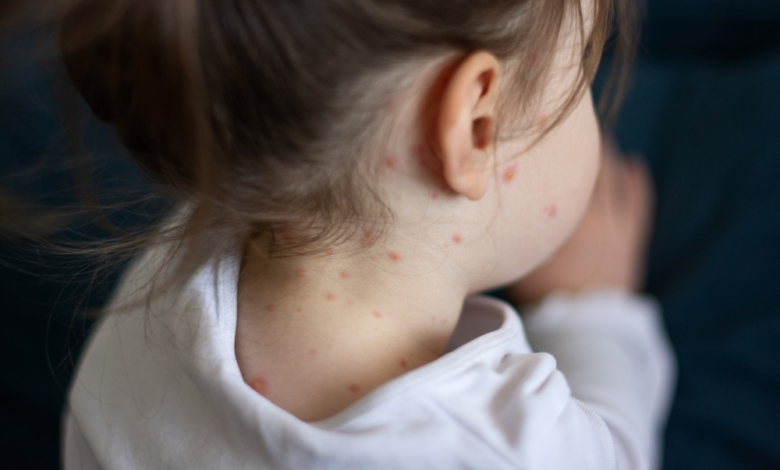
تصنف منظمة الصحة العالمية الحصبة كأحد أكثر الأمراض الفيروسية قدرة على العدوى في العالم. ينتقل الفيروس بسهولة عبر الرذاذ المتطاير من السعال أو العطس، ويستهدف بشكل أساسي الأطفال الصغار غير المحصنين. تبدأ أعراضه بحمى شديدة وسعال وزكام، يتبعها طفح جلدي مميز. ورغم أن الكثيرين يتعافون منه، إلا أن الحصبة يمكن أن تؤدي إلى مضاعفات خطيرة وقاتلة، أبرزها الالتهاب الرئوي، والتهاب الدماغ (الذي قد يسبب تلفاً دائماً في الدماغ)، والعمى، والجفاف الشديد.
السياق العالمي: تراجع التحصين يعيد الأمراض للواجهة
تعتبر هذه المأساة في بنغلاديش جزءاً من نمط عالمي مقلق يتمثل في عودة ظهور أمراض يمكن الوقاية منها باللقاحات. فبعد عقود من التقدم الكبير الذي تحقق بفضل حملات التطعيم العالمية التي أنقذت ملايين الأرواح، شهدت السنوات الأخيرة تراجعاً في معدلات التحصين في العديد من المناطق حول العالم. يعود هذا التراجع لأسباب متعددة، منها انتشار المعلومات المضللة حول اللقاحات، وضعف الأنظمة الصحية، وتأثير جائحة كوفيد-19 التي عطلت برامج التحصين الروتينية، بالإضافة إلى صعوبة الوصول للمجتمعات الفقيرة والمهمشة.
التأثير المحلي والإقليمي لتفشي المرض
على المستوى المحلي، لا يقتصر تأثير تفشي الحصبة على الخسائر في الأرواح، بل يمتد ليشكل ضغطاً هائلاً على المستشفيات والمراكز الصحية المكتظة أصلاً، ويستنزف الموارد الطبية المحدودة. أما إقليمياً، فإن هذا التفشي يثير مخاوف من انتقال العدوى عبر الحدود إلى الدول المجاورة، خاصة في ظل الكثافة السكانية العالية وحركة التنقل المستمرة في المنطقة. ويمثل هذا الوضع نكسة للجهود الدولية الرامية إلى القضاء على الحصبة، ويؤكد على حقيقة أن أي فجوة في التغطية المناعية في أي بلد يمكن أن تهدد الصحة العامة على مستوى العالم بأسره، مذكّرةً بأن الفيروسات لا تعترف بالحدود.