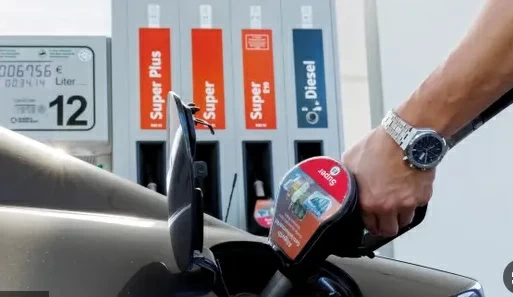

Gasoline prices in the United States have surged to their highest level since July 2022, a direct reflection of escalating geopolitical tensions in the Middle East. According to data from the American Automobile Association (AAA), the average price of a standard gallon reached approximately $4.23, marking a significant increase of nearly 42% since the renewed conflict in the region in late February. This price hike not only places an additional burden on American consumers but also raises broader concerns about inflation and the stability of global energy markets.
The geopolitical context and its impact on energy markets
The primary reason behind this price surge is the uncertainty gripping global oil markets, which is closely linked to events in the Middle East. The region, a vital shipping lane for crude oil and natural gas, is experiencing increasing instability. Attacks on commercial vessels in the Red Sea and the Bab el-Mandeb Strait have forced many oil tankers to reroute, driving up shipping costs and lengthening voyages. Furthermore, the potential threat of closure of the Strait of Hormuz, through which a fifth of the world's oil consumption passes, is driving up the "risk premium" in crude oil prices, which is directly reflected in gasoline prices at pumps worldwide, including in the United States.
Declining inventories exacerbate the crisis locally
Domestically, the problem is exacerbated by declining strategic gasoline reserves in the United States. Andy Lipow, president of an energy consulting firm, told CNN that the US market is facing increasing pressure as a result of this decline. Gasoline reserves have fallen below 230 million barrels, a level significantly lower than the usual average of around 250 million barrels. This shortage makes the market more sensitive to any disruptions in global supplies and pushes prices higher to meet rising domestic demand, especially with the approach of the peak summer travel season.
Importance and expected impacts locally and internationally
The continued rise in fuel prices has broad economic and political repercussions. Domestically in the United States, it erodes citizens' purchasing power and increases inflationary pressures, potentially prompting the Federal Reserve to keep interest rates high for an extended period. Internationally, rising energy prices in the world's largest economy affect all oil-importing nations, threatening to slow global economic growth. Experts like Lipow predict this upward trend will continue, with the price per gallon potentially reaching $4.30 within the next ten days, especially as the United States increases its fuel exports to compensate for global supply shortages caused by the Middle East crisis, further pushing up domestic prices.