
Activating air defense systems in the Iranian capital
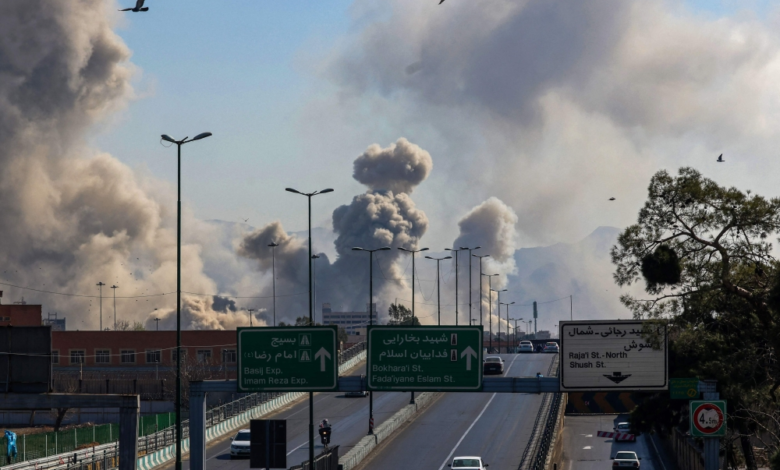
Iranian state news agencies, including Tasnim and Fars, reported late Thursday night hearing gunfire and the activation of air defense systems in various parts of Tehran. The reports indicated that these measures were taken to counter small aircraft and reconnaissance drones flying over the city, causing concern among local residents.
According to initial reports, the interception lasted approximately 20 minutes before authorities announced that the situation had “returned to normal” and the threat had been neutralized. While the nature of the incident was initially unclear, including whether it was a military exercise or an actual attack, sources later clarified that air defenses had engaged small flying objects, possibly on a reconnaissance mission.
A tense regional context and a shadow war
This incident comes amid escalating tensions in the Middle East, particularly in the context of the ongoing “shadow war” between Iran and Israel. This covert confrontation has witnessed numerous cyberattacks and acts of sabotage targeting Iranian nuclear and military facilities, as well as the assassinations of scientists and prominent figures. Drones have been a key weapon in this conflict, used by both sides for intelligence gathering and precision strikes.
This was not the first time that drones had been reported to have violated Iranian airspace. Similar incidents have occurred in the past targeting sensitive sites in Isfahan, Kermanshah, and other cities, most of which have been attributed to Israel, which has neither confirmed nor denied responsibility, adhering to a policy of strategic ambiguity.
Significance and potential impacts of the accident
Domestically, this incident highlights the high state of alert within the Iranian armed forces and reflects the security challenges facing the capital. The presence of drones, even small ones, in Tehran's airspace raises questions about the effectiveness of radar and air defense networks against small, low-altitude threats.
Regionally, such operations are seen as displays of force and tests of the adversary's capabilities. They increase the likelihood of miscalculation and uncontrolled military escalation, threatening the stability of the entire region. They also put neighboring countries on high alert, fearing that their territories could become battlegrounds for settling scores between regional powers.
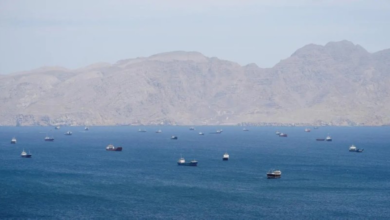
Internationally, major powers are watching these developments with concern, fearing that any significant escalation could disrupt global energy supplies through the strategic Strait of Hormuz and destabilize oil markets. These incidents could also complicate diplomatic efforts to revive the Iranian nuclear agreement or reach new security understandings in the region.