Rubio calls on Iran to negotiate amid escalating tensions in the Strait of Hormuz

US calls on Iran to negotiate amid escalating tensions
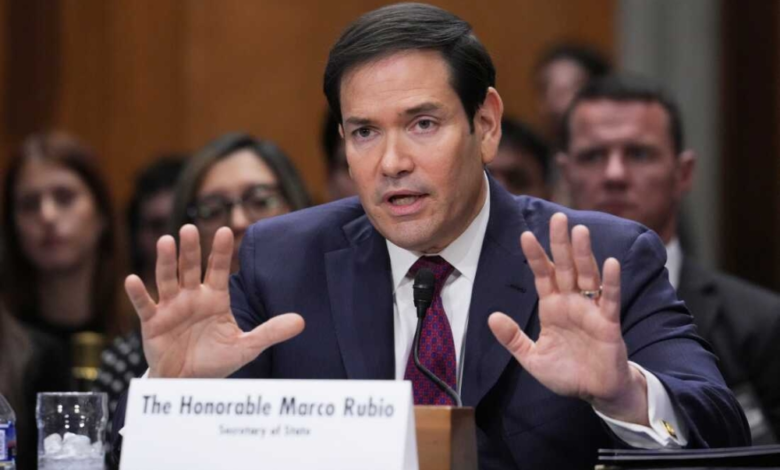
In a statement reflecting the heightened tensions between Washington and Tehran, prominent US Senator Marco Rubio called on Iran to come to the negotiating table and accept the proposed terms, stressing that Tehran must abandon its destabilizing policies in the region. Rubio indicated that Iran continues what he described as “blackmailing the global economy” through its persistent threats to close the Strait of Hormuz, a vital waterway for global trade.
Background of the conflict and the importance of the Strait of Hormuz
These statements come amid a period of escalating tensions following the United States' withdrawal from the Iran nuclear deal (the Joint Comprehensive Plan of Action) in 2018 and its reimposition of crippling economic sanctions as part of a "maximum pressure" campaign. In response, Iran has repeatedly threatened to disrupt shipping in the Strait of Hormuz, through which nearly a fifth of the world's oil supply passes, making it a strategic chokepoint whose closure could trigger a dramatic spike in global energy prices and market turmoil.
Senator Rubio accused Iran of trying to impose its control over this vital waterway through dangerous methods, such as planting sea mines and attempting to impose illegal fees on passing ships, considering these practices completely unacceptable and a direct threat to the freedom of international navigation.
Regional and international influences
Rubio emphasized that the US military movements in the region, including the increased naval presence, are purely defensive measures aimed at ensuring the Strait of Hormuz remains open and secure for trade. He added, “We have begun the first step to reopen the Strait of Hormuz, and what we are doing is a defensive operation. Iran cannot be allowed to control traffic through the strait.”.
These positions reflect broader international concern about the repercussions of any potential military confrontation in the Gulf. Beyond the devastating economic impact, any conflict could destabilize the entire Middle East region, which is already grappling with multiple crises. Therefore, the international community is focused on diplomatic efforts to find a solution that prevents escalation. Many observers see Rubio's call for negotiations, despite its strong tone, as an acknowledgment that dialogue remains the best option for avoiding dire consequences for international peace and security.