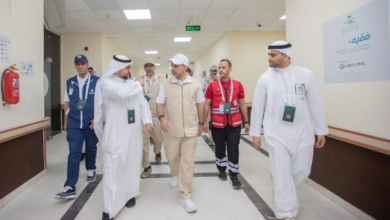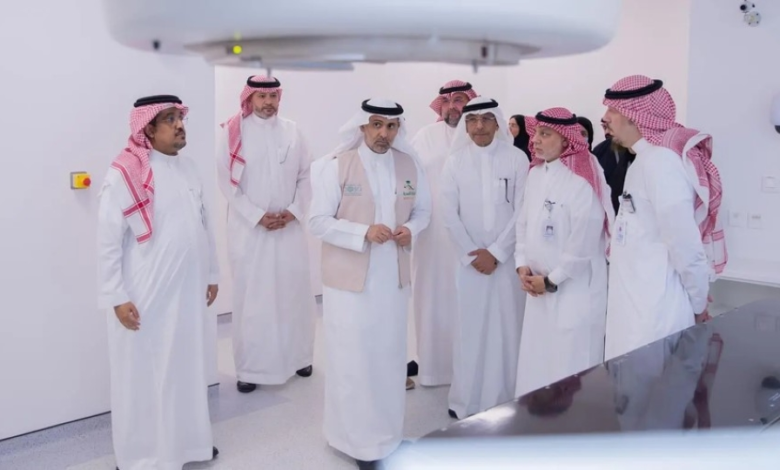

His Excellency the Minister of Health, Mr. Fahd bin Abdulrahman Al-Jalajel, conducted an extensive inspection visit to the Madinah region today to assess firsthand the latest preparations and readiness of health facilities for the holy month of Ramadan. This visit reflects the wise leadership's commitment to providing the highest standards of healthcare for pilgrims and visitors to the Prophet's Mosque, as well as the region's residents.
The importance of early preparation for the Ramadan season
The holy month of Ramadan holds special significance in Madinah, as the region witnesses a massive influx of pilgrims and visitors from within the Kingdom and abroad. In anticipation of this, the Ministry of Health is proactively raising its preparedness to the highest level to ensure a swift and effective response to any health emergency. These efforts align with the objectives of the Health Sector Transformation Program and the goals of Saudi Vision 2030, which prioritizes the health and safety of pilgrims and visitors, ensuring they can perform their rituals with ease and peace of mind.
Details of the field tour and development
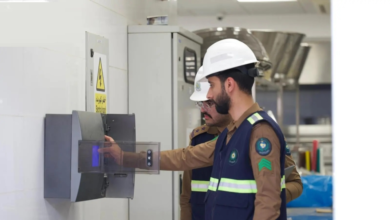
His Excellency the Minister began his tour by meeting with the Hajj and Umrah Supervisory and Coordination Committee for the region's health system, where operational plans for the season were reviewed. Following this, His Excellency inspected several vital health facilities, focusing particularly on health centers located in the central area surrounding the Prophet's Mosque, which serve as the first line of defense in serving visitors.
The tour included an inspection of the rehabilitation and development projects undertaken at the hospitals and centers, and included:
- Upgrading operating rooms: equipping them with the latest technologies to ensure the accuracy and speed of surgical interventions.
- Expansion of outpatient clinics: to increase capacity and reduce waiting times.
- Developing emergency and critical care departments: This is a vital focus for dealing with emergencies that may occur as a result of overcrowding or stress during fasting periods.
- Improving nursery services: To ensure comprehensive care for children and mothers.
An integrated healthcare system to serve millions
Madinah boasts a robust healthcare infrastructure, with the health system providing services through more than 198 diverse healthcare facilities. This extensive network serves over 2.1 million residents, in addition to the millions of visitors expected during the holy month. This year's Ramadan operational plan focuses on integrating all healthcare sectors, strengthening medical supply chains, and enhancing the efficiency of medical and nursing staff to ensure continuous, round-the-clock service.
The Minister concluded his tour by emphasizing the need for continuous monitoring and measuring performance indicators to ensure the provision of a distinguished health experience for beneficiaries, stressing that serving the guests of God is an honor and a responsibility that requires the concerted efforts of all.