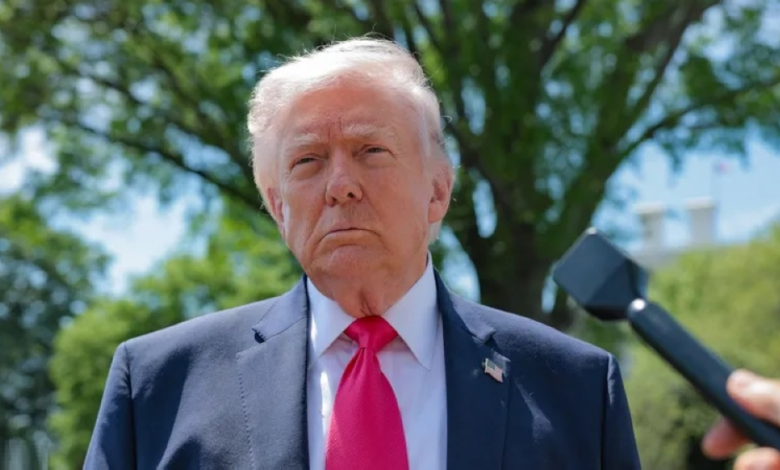

تصويت حاسم في مجلس الشيوخ للحد من التفرد بالقرار العسكري
في خطوة تعكس تصاعد التوترات السياسية داخل أروقة واشنطن، وافق مجلس الشيوخ الأمريكي على قرار رمزي وإجرائي يهدف إلى الحد من صلاحيات الرئيس دونالد ترامب في شن أي حرب أو توجيه ضربات عسكرية واسعة النطاق ضد إيران دون الرجوع إلى السلطة التشريعية. وقد اجتاز هذا القرار، الذي يُعد توبيخاً نادراً من نوعه لقائد أعلى للقوات المسلحة في أوقات النزاعات، تصويتاً إجرائياً بأغلبية 50 صوتاً مقابل 47 صوتاً. وتعتبر هذه الخطوة هي المرة الأولى التي يمرر فيها أي من مجلسي الكونغرس تشريعاً يسعى بشكل مباشر إلى تقييد العمليات العسكرية ضد طهران منذ اندلاع شرارة التوترات الأخيرة قبل نحو 11 أسبوعاً.
السياق التاريخي: قانون صلاحيات الحرب لعام 1973
يستند هذا التحرك التشريعي بشكل أساسي إلى «قانون صلاحيات الحرب» لعام 1973، وهو تشريع تاريخي أُقر في أعقاب حرب فيتنام بهدف كبح جماح الإدارات الرئاسية المتعاقبة ومنعها من زج الولايات المتحدة في حملات عسكرية طويلة الأمد دون الحصول على موافقة صريحة من الكونغرس. ويطالب القرار الحالي الإدارة الأمريكية إما بوقف أي عمل عسكري ضد إيران فوراً، أو التوجه إلى الكونغرس للحصول على تفويض رسمي وقانوني لمواصلة تلك العمليات، مما يعيد التوازن الدستوري بين السلطتين التنفيذية والتشريعية في قرارات الحرب والسلم.
قلق متزايد داخل الحزب الجمهوري وتداعيات اقتصادية
يسلط هذا التصويت الضوء على حالة من القلق المتزايد والتململ داخل صفوف الحزب الجمهوري نفسه. فمع دخول التوترات العسكرية شهرها الثالث، بدأت تظهر تداعيات ملموسة أرهقت مخزونات الأسلحة الأمريكية وأثارت تساؤلات جدية وحساسة بشأن الجاهزية العسكرية للقوات المسلحة. وإلى جانب المخاوف اللوجستية، برزت المخاوف الاقتصادية بشكل لافت، حيث ارتفعت التقديرات الرسمية لتكاليف هذا التصعيد إلى أكثر من 30 مليار دولار حتى الآن، وهو رقم يثير حفيظة المشرعين المحافظين الحريصين على ضبط الإنفاق الحكومي وتجنب التكاليف الباهظة لحروب غير محسوبة العواقب ومسارها لا يزال غامضاً.
التأثير الإقليمي والدولي للتوترات الأمريكية الإيرانية
على الصعيد الإقليمي والدولي، يحمل أي تصعيد عسكري بين واشنطن وطهران تداعيات كارثية محتملة. فمنطقة الشرق الأوسط، التي تعد الشريان الرئيسي لإمدادات الطاقة العالمية عبر مضيق هرمز، تتأثر بشدة بأي تلويح باستخدام القوة. وتخشى الدول الحليفة للولايات المتحدة في المنطقة، وكذلك القوى الأوروبية، من أن يؤدي الانفراد بالقرار العسكري إلى إشعال حرب شاملة قد تجر أطرافاً إقليمية أخرى وتؤدي إلى زعزعة استقرار الأسواق العالمية وارتفاع أسعار النفط بشكل غير مسبوق، مما يجعل تدخل الكونغرس لضبط الإيقاع خطوة مرحب بها دولياً لتجنب الانزلاق نحو الهاوية.
عقبات تشريعية وانتقادات ديمقراطية لاذعة
رغم تمرير القرار في مجلس الشيوخ، فإنه لا يزال يتعين إجراء تصويت نهائي عليه. وسيواجه التشريع عقبات سياسية كبيرة لإقراره بشكل تام، وخاصة في مجلس النواب الذي يتمتع فيه الحزب الجمهوري بهيمنة واضحة، والذي سبق له أن رفض جهوداً مماثلة في الماضي. وعلاوة على ذلك، من المؤكد تقريباً أن الرئيس ترامب سيستخدم حق النقض (الفيتو) لإجهاض القرار إذا وصل إلى مكتبه، مما يتطلب أغلبية الثلثين لتجاوزه، وهو أمر يصعب تحقيقه في ظل الاستقطاب الحزبي الحالي.
وفي سياق الانتقادات الحادة الموجهة للإدارة، صرح زعيم الأقلية الديمقراطية في مجلس الشيوخ، تشاك شومر، قُبيل عملية التصويت بعبارات قوية قائلاً: «هذا الرئيس أشبه بطفل صغير يلهو بمسدس محشو». وأضاف مشدداً على ضرورة التحرك الفوري: «إن كان هناك وقت مناسب لدعم قرارنا بشأن صلاحيات الحرب لسحب القوات من الأعمال العدائية مع إيران، فهو الآن»، في إشارة واضحة إلى خطورة المرحلة وضرورة تغليب لغة العقل والدبلوماسية.