
الناتو يدرس خيارات تأمين مضيق هرمز
أعلن القائد الأعلى لقوات حلف شمال الأطلسي (الناتو) أن الحلف يدرس حالياً سبل الإسهام الفعال في ضمان حماية مضيق هرمز الاستراتيجي. ورغم هذه التصريحات، لم يتم البدء في وضع أي خطط رسمية أو نهائية حتى اللحظة. وفي هذا السياق، صرح الجنرال الأميركي أليكسوس جرينكويتش، القائد الأعلى لقوات الناتو في أوروبا، للصحفيين قائلاً: “أفكر في الأمر، لكن لا توجد خطط فعلية حتى الآن إلى حين اتخاذ القرار السياسي المناسب من قبل الدول الأعضاء”.
وأضاف جرينكويتش أن كل دولة داخل الحلف تدرس حالياً طبيعة ردها ومستوى مشاركتها. وقد بادرت بالفعل عدة دول أوروبية بارزة، بما في ذلك بلجيكا وفرنسا وألمانيا وإيطاليا والمملكة المتحدة، بإرسال سفن بحرية إلى المنطقة لتعزيز التواجد الأمني. وأكد على وجود إجماع تام بين الحلفاء على أن ضمان حرية الملاحة في المياه الدولية يصب في المصلحة الاستراتيجية والاقتصادية للجميع.
الأهمية الاستراتيجية والتاريخية لمضيق هرمز
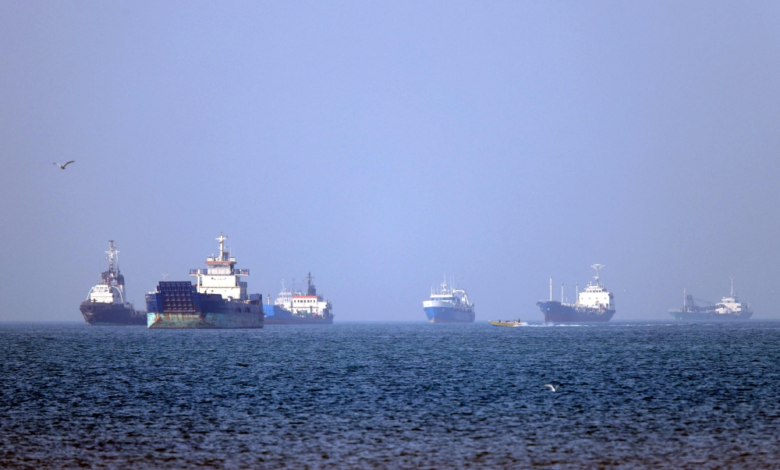
يُعد مضيق هرمز واحداً من أهم الممرات المائية وأكثرها حساسية في العالم، حيث يربط بين الخليج العربي وخليج عمان وبحر العرب. تاريخياً، كان هذا المضيق نقطة ارتكاز حيوية للتجارة العالمية، وشهد العديد من التوترات الجيوسياسية، أبرزها “حرب الناقلات” في ثمانينيات القرن الماضي. وتكمن أهمية المضيق في كونه الشريان الرئيسي لتدفق إمدادات الطاقة، حيث يمر عبره نحو خُمس استهلاك العالم من النفط الخام، بالإضافة إلى كميات ضخمة من الغاز الطبيعي المسال.
إن أي تهديد أو إغلاق لهذا الممر المائي الحيوي يحمل تداعيات كارثية على المستويات المحلية والإقليمية والدولية. فعلى الصعيد الإقليمي، تعتمد دول المنطقة بشكل شبه كلي على هذا المضيق لتصدير مواردها. أما دولياً، فإن أي تعطل في حركة الملاحة يؤدي فوراً إلى ارتفاعات حادة في أسعار الطاقة العالمية، وهو ما بدأ يؤثر سلباً بالفعل على العديد من الاقتصادات الأوروبية التي تعاني من تحديات اقتصادية.
انتقادات ترامب وموقف الحلفاء الأوروبيين
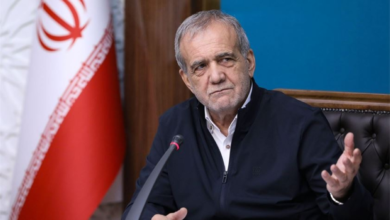
في سياق متصل، وجه الرئيس الأمريكي دونالد ترامب انتقادات حادة لحلفاء واشنطن الأوروبيين في الناتو، وذلك على خلفية مستوى استجابتهم للتوترات المتصاعدة وحملة الضغوط على إيران، وهي التوترات التي أدت إلى تهديدات بإغلاق مضيق هرمز. ورغم هذه الضغوط الأمريكية المستمرة، تجنب حلف الناتو بقيادة الولايات المتحدة حتى الآن الانخراط في أي تدخل عسكري مباشر في النزاع الدائر في المنطقة.
في المقابل، تسعى الدول الأوروبية، بقيادة المملكة المتحدة وفرنسا، إلى تبني مقاربة أكثر استقلالية من خلال وضع خطط طوارئ محتملة. تهدف هذه الخطط إلى إيجاد سبل للإسهام في إبقاء المضيق مفتوحاً وآمناً لحركة السفن التجارية في حال تفاقم النزاعات أو اندلاع مواجهات شاملة.
انقسامات داخلية وتحديات مستقبلية
على الرغم من التوافق على أهمية أمن الملاحة، قلل دبلوماسيون أوروبيون في حلف الناتو من احتمالية أن يؤدي الحلف دوراً عسكرياً رئيسياً ومباشراً في تأمين مضيق هرمز، مرجعين ذلك إلى وجود انقسامات داخلية وتباين في الرؤى السياسية بين الدول الأعضاء حول كيفية التعامل مع أزمات الشرق الأوسط.
ومع ذلك، يشير الخبراء والدبلوماسيون إلى أن الناتو قد يشارك بطريقة غير مباشرة، أو يقدم دعماً لوجستياً واستخباراتياً في أي عمليات بحرية مستقبلية تقودها دول مثل فرنسا أو بريطانيا، إذا ما تحققت على أرض الواقع. هذا النهج يعكس رغبة أوروبية في الحفاظ على استقرار أسواق الطاقة العالمية وحماية مصالحها الاقتصادية دون الانجرار إلى تصعيد عسكري غير محسوب العواقب.