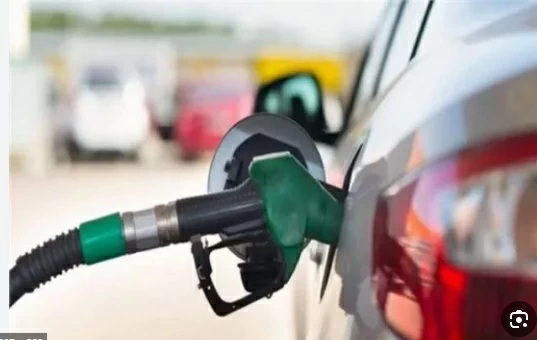

تفاقم أزمة الطاقة في كوبا وإعلان نفاد الوقود
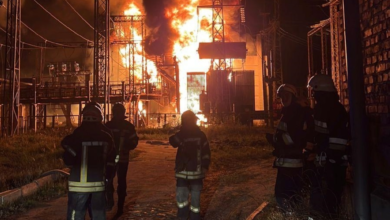
تعيش العاصمة الكوبية هافانا وباقي مدن البلاد واحدة من أشد الأزمات الخانقة في تاريخها الحديث، حيث أعلن وزير الطاقة والمناجم الكوبي، فيسنتي دي لا أو ليفي، عن نفاد مخزونات الديزل وزيت الوقود (المازوت) في البلاد بشكل كامل. يأتي هذا الإعلان الصادم في وقت تواجه فيه كوبا أسوأ موجة من انقطاعات التيار الكهربائي منذ عقود، مما أدى إلى شلل شبه تام في الحياة اليومية للمواطنين وتوقف العديد من الخدمات الأساسية.
معاناة يومية وانقطاع للكهرباء يتجاوز 20 ساعة
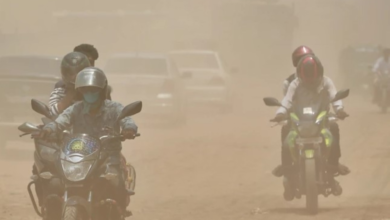
أكد الوزير الكوبي أن انقطاعات التيار الكهربائي قد زادت وتيرتها بشكل غير مسبوق خلال الأسابيع الأخيرة في جميع أنحاء هافانا والمقاطعات الأخرى. وتظل أحياء كثيرة ومناطق واسعة بدون تغذية كهربائية لفترات تتراوح بين 20 إلى 22 ساعة يومياً. هذا الوضع المأساوي زاد من حدة التوتر والاحتقان في شوارع مدينة منهكة بالفعل، حيث يعاني السكان من نقص حاد ومستمر في المواد الغذائية الأساسية، مياه الشرب، والأدوية، مما يجعل حفظ الأطعمة في الثلاجات أو تشغيل المعدات الطبية أمراً بالغ الصعوبة.
السياق التاريخي: تأثير الحصار الأمريكي على قطاع الطاقة
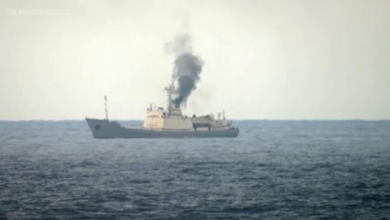
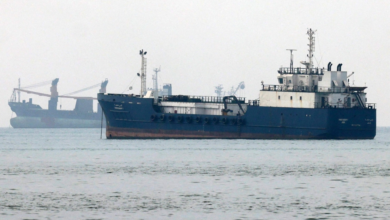
لا يمكن فصل أزمة الوقود في كوبا عن السياق التاريخي والسياسي المتمثل في الحصار الاقتصادي والتجاري والمالي الذي تفرضه الولايات المتحدة الأمريكية على الجزيرة منذ أوائل الستينيات. هذا الحصار، الذي تصفه هافانا بأنه أطول حصار في التاريخ الحديث، أدى إلى خنق إمدادات الوقود بشكل مباشر. فالقوانين الأمريكية تفرض عقوبات صارمة على السفن والشركات التي تنقل النفط إلى كوبا، مما يجعل من الصعب جداً على الحكومة الكوبية شراء الوقود من الأسواق العالمية أو تأمين خطوط إمداد مستقرة، ويدفعها للبحث عن بدائل مكلفة ومعقدة.
البنية التحتية المتهالكة والاعتماد على الإنتاج المحلي
في ظل غياب الواردات، أوضح الوزير أن الشبكة الوطنية للكهرباء أُجبرت على العمل بالكامل اعتماداً على النفط الخام المحلي والغاز الطبيعي، بالإضافة إلى مصادر الطاقة المتجددة. ومع ذلك، فإن النفط الكوبي يتميز بكثافته العالية واحتوائه على نسب مرتفعة من الكبريت، مما يؤدي إلى تآكل وتلف محطات التوليد الحرارية التي تعود في أغلبها إلى الحقبة السوفيتية وتفتقر إلى الصيانة الدورية وقطع الغيار بسبب العقوبات المالية.
تحديات الطاقة المتجددة والبحث عن حلول دولية
سعت كوبا خلال السنوات الماضية إلى تنويع مصادر طاقتها، حيث أشار ‘دي لا أو ليفي’ إلى أن البلاد قامت بتركيب ألواح طاقة شمسية بقدرة 1300 ميغاواط على مدار العامين الماضيين. لكن المفارقة تكمن في أن جزءاً كبيراً من هذه الطاقة النظيفة يضيع ولا يتم الاستفادة منه؛ والسبب يعود إلى عدم استقرار الشبكة الكهربائية الوطنية وسط النقص الحاد في الوقود الأحفوري الذي يعتبر ضرورياً للحفاظ على التردد الأساسي للشبكة، مما يقلل من الكفاءة والإنتاج الإجمالي. وفي ختام تصريحاته، وجه الوزير نداءً مفتوحاً للمجتمع الدولي، مؤكداً أن كوبا مستعدة ومنفتحة على أي جهة أو دولة ترغب في بيع الوقود لها، في محاولة يائسة لإنقاذ البلاد من ظلام دامس يهدد بانهيار اقتصادي واجتماعي شامل.