
صدمة جديدة في أسواق الطاقة العالمية
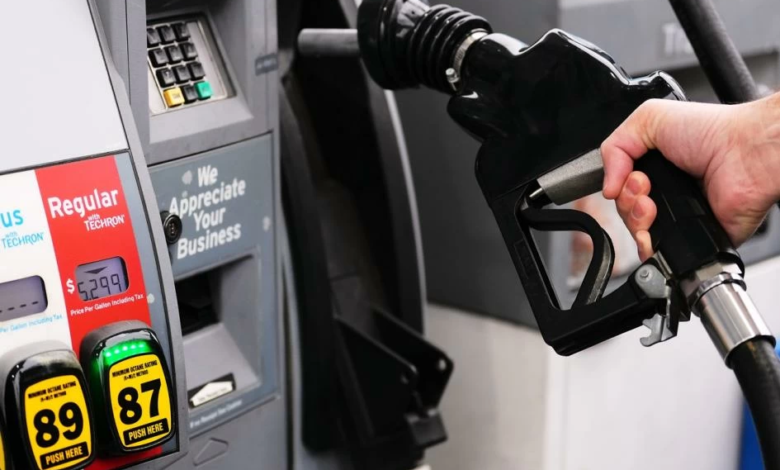
تشهد الأسواق العالمية للطاقة صدمة جديدة مع تسجيل أسعار الديزل ارتفاعات قياسية لم تشهدها منذ عام 2022، حيث تجاوزت حاجز 200 دولار للبرميل. يأتي هذا الارتفاع الحاد في ظل تصاعد التوترات الجيوسياسية في منطقة الشرق الأوسط، وتحديداً التداعيات المباشرة للصراع الدائر وتأثيره على إمدادات الوقود العالمية. وقد قفزت العقود المستقبلية للديزل في أوروبا لتصل إلى 1498 دولاراً للطن، مسجلة زيادة بنسبة 9.7% في تداولات لندن، مما ينذر بموجة تضخمية جديدة قد تضرب الاقتصاد العالمي وتؤثر على سلاسل الإمداد.
السياق التاريخي وأزمة الإمدادات الأوروبية
تعيد هذه الأزمة إلى الأذهان الارتفاعات القياسية التي شهدتها أسواق الطاقة في عام 2022 إبان اندلاع الحرب الروسية الأوكرانية. فمنذ ذلك الحين، سعت الدول الأوروبية جاهدة لإعادة هيكلة سلاسل إمدادها بعيداً عن مصادر الطاقة الروسية، مما جعلها أكثر اعتماداً على الواردات القادمة من الشرق الأوسط وآسيا. هذا التحول الاستراتيجي جعل الأسواق الأوروبية شديدة الحساسية تجاه أي اضطرابات أمنية في الممرات الملاحية الحيوية، وهو ما يفسر التفاعل السريع والقوي للأسواق مع الأحداث الحالية المشتعلة.
مضيق هرمز: الشريان الحيوي للاقتصاد العالمي
تضاعفت أسعار الديزل تقريباً منذ بداية التصعيد العسكري في الشرق الأوسط قبل أكثر من شهر، والذي تضمن هجمات متبادلة بين الولايات المتحدة وإسرائيل من جهة، وإيران من جهة أخرى. وقد أسفر هذا التصعيد عن إغلاق فعلي لمضيق هرمز، الذي يُعد أهم نقطة عبور للنفط في العالم، حيث يمر عبره نحو خُمس الاستهلاك العالمي من النفط الخام والمنتجات المكررة. إن توقف حركة المرور عبر هذا المضيق الاستراتيجي أدى إلى حجب ملايين البراميل من إمدادات الديزل والوقود عن الأسواق العالمية، مما خلق فجوة كبيرة بين العرض والطلب.
تداعيات إغلاق المضيق على حركة الملاحة والتكرير
لم تقتصر الأزمة على الديزل فحسب، بل امتدت لتشمل أسعار النفط الخام التي قفزت بنحو 50% في أسواق لندن. هذا الارتفاع الجنوني في تكاليف المواد الخام أجبر العديد من مصافي التكرير العالمية على خفض إنتاجها من الوقود، مما فاقم من نقص المعروض. وفي محاولة يائسة لتأمين الإمدادات، يضطر التجار وشركات الشحن حول العالم إلى تحويل مسار شحنات الديزل عبر طرق بديلة أطول بكثير، مثل الدوران حول رأس الرجاء الصالح في إفريقيا. هذه الرحلات البديلة تضيف مسافات تتجاوز 12 ألف ميل بحري، مما يضاعف من تكاليف الشحن والتأمين ويؤخر وصول الإمدادات لأسابيع عديدة.
التأثير الاقتصادي: شبح التضخم يهدد الأسواق
في ظل غياب أي مؤشرات سياسية أو دبلوماسية واضحة حول موعد إعادة فتح مضيق هرمز بالكامل، تتزايد الضغوط بشكل غير مسبوق على أسواق الديزل. يُعد الديزل بمثابة شريان الحياة الفعلي للاقتصاد العالمي؛ فهو الوقود الأساسي الذي تعتمد عليه قطاعات حيوية مثل النقل البري بالشاحنات، المعدات الزراعية، وآلات البناء والمصانع. وبالتالي، فإن أي زيادة في أسعار الديزل تنعكس تلقائياً وبشكل مباشر على تكلفة نقل السلع والبضائع الأساسية، مما يهدد بإشعال موجة جديدة من التضخم العالمي. هذا الوضع يضع البنوك المركزية وصناع القرار الاقتصادي أمام تحديات معقدة، حيث تتأثر الأسواق المحلية والإقليمية بارتفاع أسعار السلع الاستهلاكية، مما يضغط على القدرة الشرائية للمواطنين ويبطئ من عجلة النمو الاقتصادي.