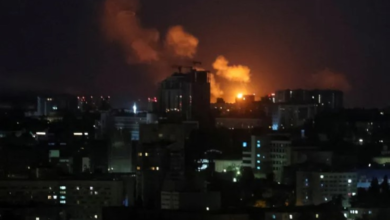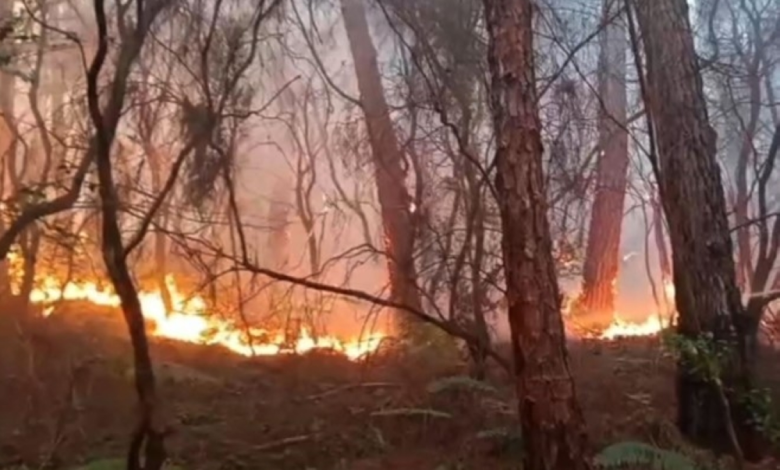

Italian authorities are facing a critical situation in the renowned Tuscany region, where a massive and raging forest fire has forced more than 3,500 people to urgently evacuate their homes between the cities of Pisa and Lucca. Emergency teams have declared a state of maximum alert in an attempt to control the blaze, which has consumed vast areas of vegetation, fueled by strong winds and high temperatures gripping the region.
Firefighting efforts and crisis response
Local authorities issued immediate evacuation orders last night, converting gyms and public facilities into temporary shelters for affected families. The president of the Tuscany region, Eugenio Gianni, described the situation as “extremely difficult,” emphasizing that firefighting efforts are facing significant challenges due to the rapid spread of the blaze. He noted that Italian army troops have joined civil defense and firefighting teams to support firefighting operations, which include the use of specialized firefighting aircraft.
Broader context: Forest fires and climate change in Italy
This disaster comes within a broader context of the suffering that Italy and other Mediterranean countries frequently experience during the summer. Severe droughts and soaring temperatures, which scientists directly link to climate change, create ideal conditions for wildfires to ignite and spread at record speeds. This was not the first such incident this summer; other regions in Italy have also witnessed devastating fires, including a large blaze near a campsite on the west coast last July, which led to the evacuation of approximately 600 people. These recurring events demonstrate the vulnerability of ecosystems to extreme weather events.
Expected environmental and economic impacts
The repercussions of these fires extend beyond material losses and the evacuation of residents, encompassing long-term environmental and economic consequences. Environmentally, the fires destroy vast areas of forest, decimating biodiversity and threatening habitats, while also increasing the risk of soil erosion and landslides in the future. Economically, Tuscany relies heavily on tourism and agriculture, two sectors directly impacted by such disasters. The thick smoke and destruction of scenic landscapes threaten the tourist season, while farmers suffer significant losses in crops and agricultural land, placing additional strain on the local and regional economy.