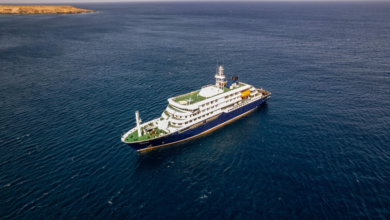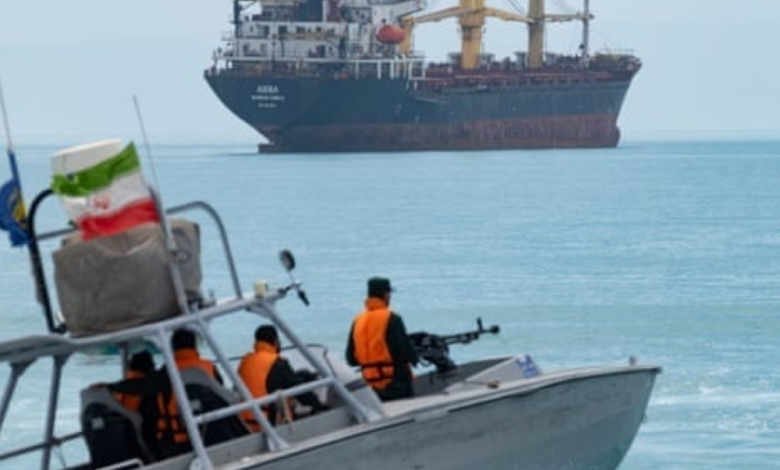
Since the start of the truce, the first non-Iranian oil tanker has crossed the Strait of Hormuz

The tanker, loaded with 6,941 tons of fuel oil (44,000 barrels), sailed from the port of Sharjah in the UAE and is heading to India.
Since the ceasefire came into effect on Tuesday night into Wednesday, two Iranian oil tankers and six cargo ships have crossed the strait.
The European Union rejects the fees
rejected The European Union the idea of imposing fees for crossing the Strait of Hormuz, calling for freedom of navigation in this vital waterway.
“International law enshrines freedom of navigation, which means no payments or fees of any kind,” said the union’s spokesman, Anwar Al-Announi, on Thursday.
Related news
He pointed out that “the Strait of Hormuz, like all other maritime routes, is a public utility for all of humanity, which means that navigation in it should be free.”.
Violation of international law
French Foreign Minister Jean-Noël Barrot said in remarks made Thursday morning to France Inter radio that imposing fees on shipping in the Strait of Hormuz was unacceptable, stressing that it was a violation of international law.
Barrow added, “No, this is unacceptable, because freedom of navigation in international waters is a universal right, a human right that cannot be restricted by any impediment or fees.”
This came after US President Donald Trump on Wednesday suggested a joint project to manage navigation in the Strait of Hormuz using a toll system.
Despite the announcement of a ceasefire between the United States and Iran late Tuesday night, maritime traffic in the Strait remains severely restricted.