The Door of Companionship Campaign: Supporting 1800 families of Alzheimer's patients in Saudi Arabia

A successful conclusion to the "Bab Al-Rifqa" humanitarian campaign
The Saudi Alzheimer's Disease Association concluded its annual Ramadan campaign, "Bab Al-Rifqa" (The Door of Compassion), achieving exceptional success in providing comprehensive medical and social care to more than 1,800 families across the Kingdom of Saudi Arabia. This pioneering humanitarian initiative aims to enhance the quality of life for patients and their families, and alleviate the psychological and financial burdens associated with this complex disease.
General context and importance of supporting Alzheimer's patients
Alzheimer's disease is one of the most prominent health challenges facing global societies in the modern era, given its increasing prevalence and rising life expectancy. In the Kingdom of Saudi Arabia, the wise leadership and third-sector institutions are giving considerable attention to providing comprehensive care for the elderly and patients, in line with the objectives of Saudi Vision 2030, which aims to enhance quality of life and develop the healthcare and social welfare system. The "Bab Al-Rifqa" (Gate of Companionship) campaign is significant locally in reinforcing the values of social solidarity, while regionally it serves as a model of specialized charitable work aimed at supporting groups in need of precise and sustained care.
Tangible medical and social achievements
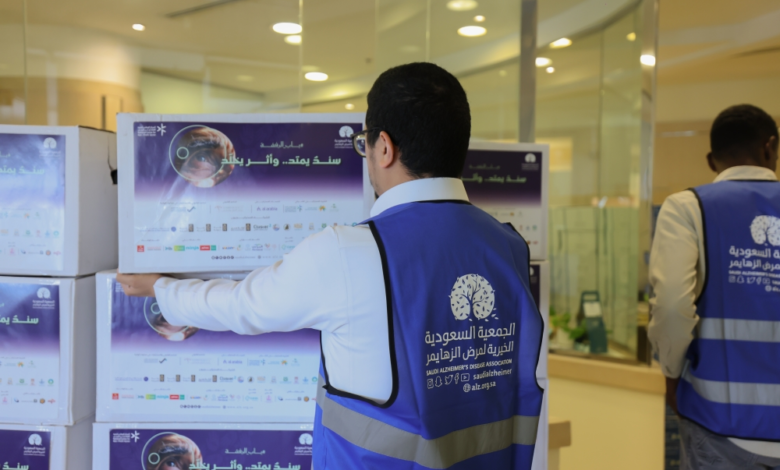
The campaign was launched at the beginning of the holy month of Ramadan under the slogan "A Support That Endures... and a Lasting Impact," embodying the finest examples of community solidarity. Final statistics revealed the extent of the field achievements in the five targeted areas, with the following services provided:
- Providing 195 specialized medical devices for patients.
- Providing essential health supplies for 112 beneficiaries.
- Medication was dispensed to 69 patients to ensure their health condition stabilized.
Comprehensive living support and volunteer initiatives
Recognizing that the burden extends beyond the medical aspect, the association expanded its support to include the living and economic needs of families. The campaign covered electricity bills for over 108 families and paid rent for 28 beneficiaries. Food vouchers and nutritional supplements were also provided to dozens of individuals in need.
In a humanitarian gesture reflecting the spirit of giving, the volunteer teams of the “Step of Goodness” initiative distributed 50 food baskets, in addition to providing more than 600 various gifts that brought joy and happiness to the hearts of patients and their families in various regions.
Health education and family empowerment
The association did not limit itself to providing financial and medical support; its report also indicated that specialized teams participated in fieldwork to deliver health education and social rehabilitation programs. This strategic step aimed to train families and caregivers on global best practices to improve the quality of daily home care for patients, thereby reducing the psychological and physical stress on patients' families.
The association concluded its campaign by expressing its deep gratitude to the supporting companies and donors who contributed to the success of this initiative. It emphasized that it will continue to accept donations to support this cherished group through its official online store or via direct telephone communication channels, ensuring the sustainability of this noble humanitarian endeavor.