
مقدمة عن أزمة الطاقة العالمية وتداعياتها
يشهد العالم في الوقت الراهن أزمة طاقة غير مسبوقة، مدفوعة بالتوترات الجيوسياسية والحروب المستمرة التي ألقت بظلالها على سلاسل التوريد العالمية. وفي سياق متابعة التداعيات الاقتصادية للصراعات الدولية، بما في ذلك التوترات المتصاعدة في الشرق الأوسط والحروب التي تشارك فيها قوى كبرى وتأثيراتها الإقليمية، برزت تحديات ضخمة تتعلق بتأمين إمدادات الطاقة. هذه التوترات أدت إلى ارتفاعات قياسية في أسعار النفط والغاز، مما أجبر العديد من الحكومات على اتخاذ تدابير استثنائية لتجنب الانهيار الاقتصادي وضمان استمرار الخدمات الأساسية لمواطنيها.
تقنين صرف الوقود: حلول قاسية لمواجهة نقص الإمدادات
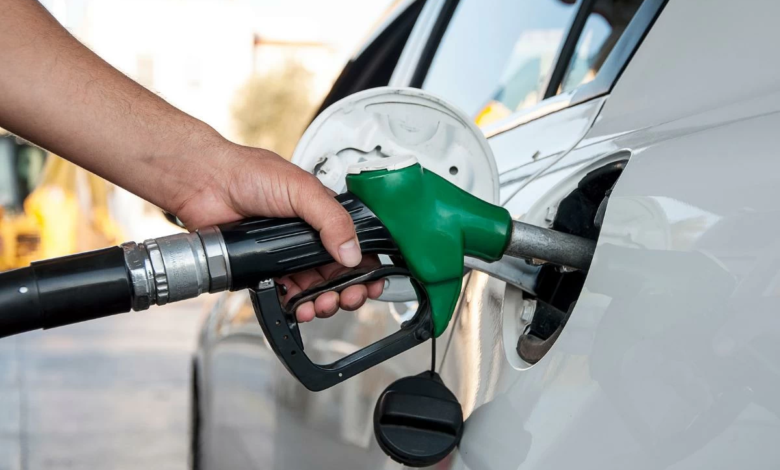
في تقرير حديث يسلط الضوء على حجم الأزمة، نشرت مجلة «نيوزويك» الأمريكية قوائم تفصيلية للدول التي اضطرت إلى اتخاذ قرار «تقنين» صرف الوقود. هذا الإجراء، الذي يعيد إلى الأذهان أزمات الطاقة الكبرى في القرن الماضي، يهدف إلى السيطرة على الاستهلاك المحلي في ظل الارتفاع الجنوني لأسعار الطاقة عالمياً. ومن أبرز الدول التي شملتها هذه القائمة: سريلانكا، التي عانت من أزمة اقتصادية طاحنة أدت إلى نقص حاد في العملات الأجنبية، وميانمار، وكمبوديا، وسلوفينيا، وبنغلاديش، وإندونيسيا. في هذه الدول، أصبح الحصول على الوقود يخضع لقيود صارمة، مما أثر بشكل مباشر على حركة النقل وتكلفة المعيشة اليومية للمواطنين.
التحول نحو «أسبوع الـ 4 أيام»: تقشف إجباري
لم تقتصر الإجراءات الحكومية على تقنين الوقود فحسب، بل امتدت لتشمل تغييرات جذرية في أنظمة العمل. فقد كشفت «نيوزويك» في قائمة أخرى عن لجوء عدد متزايد من الدول إلى تقليص أيام العمل الرسمية لتقتصر على 4 أيام فقط في الأسبوع. الهدف الأساسي من هذا الإجراء هو التقشف وتقليل استهلاك موارد الطاقة المرتفعة التكلفة، حيث يساهم تقليص أيام العمل في خفض استهلاك الكهرباء في المؤسسات، وتقليل حركة المرور وبالتالي خفض استهلاك وقود السيارات.
هذا التوجه أدى بطبيعة الحال إلى خفض عمليات النقل العام والخاص، بل ودفع بعض الدول إلى إغلاق بعض المدارس والجامعات. وتضم قائمة الدول التي طبقت نظام العمل لمدة 4 أيام أسبوعياً كلاً من: باكستان، والفلبين، وسريلانكا (التي أعلنت يوم الأربعاء إجازة رسمية لكافة المؤسسات العمومية)، وبنغلاديش، بالإضافة إلى بعض دول الاتحاد الأوروبي. كما شملت القائمة إندونيسيا، وميانمار، وتايلاند، وفيتنام، مما يعكس الانتشار الجغرافي الواسع لهذه الأزمة.
التجربة المصرية: إغلاق مبكر للأسواق التجارية
على الصعيد الإقليمي، اتخذت دول أخرى مقاربات مختلفة تتناسب مع طبيعة اقتصادها. وفي هذا السياق، قررت الحكومة المصرية تطبيق خطة لترشيد استهلاك الكهرباء، تضمنت قرارات حاسمة بإغلاق الأسواق والمحلات التجارية عند الساعة التاسعة مساءً كل ليلة. هذا القرار يهدف بشكل رئيسي إلى تخفيف الأحمال الكهربائية، وتوفير كميات أكبر من الغاز الطبيعي المستخدم في محطات التوليد من أجل تصديره وتوفير العملة الصعبة، وهو ما يعكس كيف أن أزمة الطاقة تدفع الحكومات لإعادة هيكلة الحياة اليومية.
الخلاصة والتأثير المستقبلي
إن هذه الإجراءات الاستثنائية تؤكد على هشاشة نظام الطاقة العالمي الحالي أمام الصراعات الجيوسياسية. ومع استمرار هذه التوترات، من المتوقع أن تتسارع جهود الدول نحو الاستثمار في مصادر الطاقة المتجددة والبديلة، ليس فقط كخيار بيئي، بل كضرورة حتمية للأمن القومي والاقتصادي لتجنب تكرار مثل هذه الأزمات الخانقة في المستقبل.