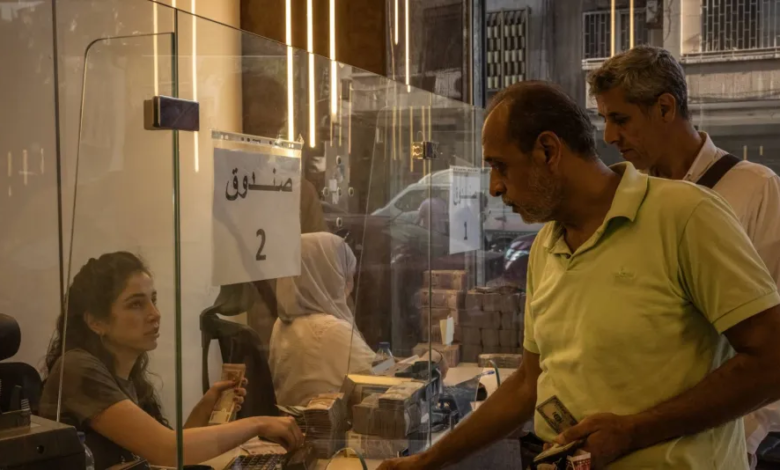

The decision to ban makeup and enforce strict adherence to formal dress codes within Syrian public administrations and government institutions has sparked widespread controversy and heated debate on social media and within local circles. This controversy follows a series of administrative circulars issued in quick succession, particularly by the Ministry of Education and other government bodies, stipulating that employees must maintain a presentable appearance befitting the dignity of public office, including prohibitions against excessive makeup or wearing clothing inappropriate for public service.
Context of the decision and its official justifications
Official bodies base these directives on internal laws and regulations governing public service in Syria, which typically require maintaining a professional appearance and respecting the status of government institutions. Administrations believe that excessive makeup or wearing informal clothing can detract from the image of government employees in the eyes of the public and negatively impact the professional environment. These directives usually include prohibitions on very tight or short clothing, as well as the conspicuous use of cosmetics, in an effort to standardize appearance and regulate professional conduct.
The Syrian street is divided between supporters and opponents
These directives have created a noticeable division in Syrian society. On one hand, a segment of the population welcomed these decisions, believing that government institutions, especially educational ones, should set an example of discipline and avoid ostentatious displays that are unbecoming of the sanctity of work and education. They argue that adhering to modest and formal dress enhances the prestige of the state and reduces the outward disparities among employees.
Conversely, the decision faced harsh criticism from a wide segment of the population, who viewed it as an infringement on personal freedoms and an interference in individual choices, as long as the clothing did not offend public decency. The criticism focused primarily on the timing and priorities of these decisions.
Economic dimension and living conditions
This debate cannot be separated from the dire economic situation in Syria. Many critics have pointed out that the focus on employee attire comes at a time when government employees are suffering from meager salaries that barely cover transportation costs, let alone basic necessities. They argue that the priority should be improving the living conditions of employees, combating administrative corruption, and ensuring a suitable work environment with electricity and heating, rather than being preoccupied with superficial details that may increase the psychological and financial burden on employees who may not even have the means to purchase new clothes that meet the stringent standards.
Social and historical background
Historically, Syrian society has been characterized by its cultural and social diversity, and government institutions have historically included a diverse mix reflecting this fabric. Although Syria is a secular state in its constitution, conservative customs and traditions play a significant role in public life. This current debate reflects a subtle conflict between the desire to preserve the state's secular character and conservative tendencies that may intensify during times of crisis, making the issue of dress and makeup an indicator of deeper social transformations taking place in the country after years of war.