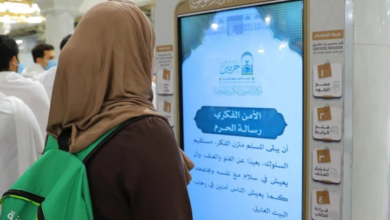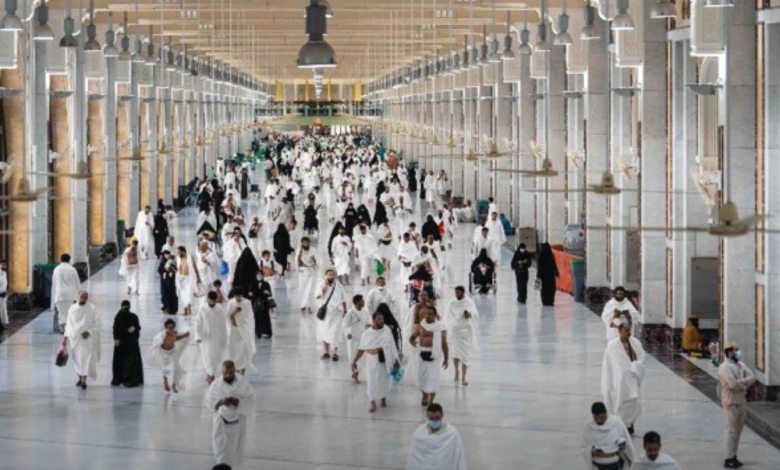

The Saudi Public Health Authority (Weqaya) has announced updated health requirements for those wishing to perform Hajj this coming season. These measures aim to protect the public health and safety of pilgrims and prevent the spread of infectious diseases during one of the world's largest gatherings of people. This is part of the Kingdom's ongoing efforts to provide a safe and healthy Hajj experience for millions of Muslims from around the globe.
Historical background and importance of health regulations during Hajj
Throughout history, crowd management and ensuring public health have posed significant challenges during the Hajj season. Various epidemics have been linked to large gatherings, prompting Saudi authorities to develop a comprehensive system of preventative measures and health protocols. This system not only aims to protect pilgrims but also extends its importance to safeguarding the Kingdom's population and the world at large by preventing the cross-border transmission of diseases after the Hajj season concludes. These measures are based on World Health Organization recommendations and decades of accumulated experience, particularly in light of the challenges posed by global pandemics such as COVID-19, which underscored the importance of immunizations and rigorous health monitoring.
Mandatory vaccinations to ensure the safety of pilgrims
The “Prevention” Authority stressed the need to complete the basic immunizations for all those coming to perform the pilgrimage, which includes four main vaccines:
- Meningococcal meningitis vaccine: All pilgrims from inside and outside the country must obtain this vaccine at least 10 days before coming to the holy sites.
- COVID-19 vaccine: Completion of approved doses or receipt of the updated dose is required to ensure protection against the virus and its variants.
- Polio vaccination: It is mandatory for those arriving from specific countries where strains of the virus are prevalent, in accordance with the International Health Regulations.
- Yellow fever vaccination: It is mandatory for pilgrims coming from countries in Africa and South America where the disease is endemic.
Categories excluded for health reasons
To ensure that pilgrims can perform the rituals without endangering their lives or the lives of others, the authority has identified a list of health conditions that disqualify them from performing Hajj, including:
- Patients with advanced organ failure, such as kidney failure requiring dialysis, and advanced heart failure with severe symptoms.
- Those suffering from chronic lung diseases that require oxygen therapy, and advanced cases of liver cirrhosis.
- People with active infectious diseases may pose a risk to others, such as pulmonary tuberculosis and hemorrhagic fevers.
- Cancer patients who are undergoing active treatments such as chemotherapy or immunosuppressants.
- Severe neurological and psychological conditions that affect cognition, such as advanced dementia.
- Pregnant women in their last months or those with a high-risk pregnancy.
Health tips and guidelines for a safe Hajj journey
In addition to the mandatory requirements, experts recommend that pilgrims follow general preventative guidelines to avoid health risks, primarily heat exhaustion and sunstroke, especially since Hajj coincides with the summer season. It is advised to drink plenty of fluids, use umbrellas, and avoid direct sun exposure during peak hours. Those with chronic illnesses, such as diabetes and high blood pressure, should ensure they carry an adequate supply of their medications and take them regularly, along with a detailed medical report outlining their health condition. To prevent respiratory illnesses, it is recommended to wear masks in crowded places, maintain hand hygiene, and avoid sharing personal items.