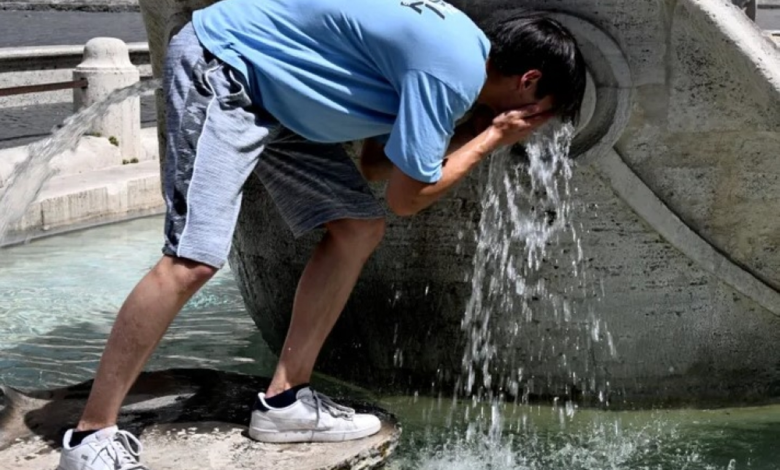

في ظاهرة مناخية استثنائية، شهدت مناطق متفرقة في ألمانيا ارتفاعًا ملحوظًا وغير معتاد في درجات الحرارة خلال شهر مايو، حيث اقتربت الأجواء من المستويات الصيفية الحارة، مما يشكل مؤشرًا جديدًا على التغيرات المناخية المتسارعة التي تؤثر على القارة الأوروبية. وبدءًا من يوم الاثنين، سجلت هيئة الأرصاد الجوية الألمانية (DWD) أرقامًا قياسية لهذا الوقت من العام، حيث بلغت الحرارة في مدينتي كوتبوس وزنفتنبرج بولاية براندنبورغ 29.4 درجة مئوية، بينما سجلت منطقة برلين-مارتسان 29.3 درجة مئوية.
سياق تاريخي: موجات الحر كظاهرة متكررة
هذه الأرقام المرتفعة تقترب بشكل خطير من الرقم القياسي المسجل في الثالث من مايو عام 2001، والذي بلغ 29.7 درجة مئوية. إلا أن هذا الحدث لا يمكن النظر إليه بمعزل عن سياق أوسع. فأوروبا، وألمانيا على وجه الخصوص، شهدت خلال العقدين الماضيين زيادة واضحة في وتيرة وشدة موجات الحر. فالصيف الأوروبي أصبح مرادفًا لدرجات الحرارة القصوى، كما حدث في صيف 2003 الذي يعتبر من أكثر الفصول فتكًا، وكذلك موجات الحر الشديدة في 2018 و2019 و2022 التي تسببت في جفاف واسع النطاق وحرائق غابات وأثرت سلبًا على البنية التحتية والقطاع الزراعي. وتأتي موجة الحر المبكرة في مايو لتؤكد أن ظواهر الطقس المتطرفة لم تعد مقتصرة على أشهر الصيف التقليدية (يوليو وأغسطس)، بل أصبحت تبدأ في وقت مبكر من العام.
التأثيرات المتوقعة وأهمية الحدث
تتجاوز أهمية هذه الموجة الحارة مجرد تسجيل أرقام جديدة في سجلات الطقس، إذ تحمل في طياتها تداعيات اقتصادية وبيئية وصحية عميقة.
- على المستوى المحلي: يثير الارتفاع المبكر للحرارة قلق المزارعين بشأن إجهاد المحاصيل والجفاف المحتمل، خاصة في المناطق التي تعاني بالفعل من نقص في هطول الأمطار. كما تزداد المخاطر الصحية على الفئات الضعيفة مثل كبار السن والأطفال، وترتفع احتمالية اندلاع حرائق الغابات في المناطق الجافة.
- على المستوى الإقليمي: تُعد هذه الظاهرة جزءًا من نمط يؤثر على أوروبا بأكملها، حيث يساهم ارتفاع درجات الحرارة في تسريع ذوبان الأنهار الجليدية في جبال الألب، ويؤثر على مستويات المياه في الأنهار الرئيسية مثل الراين، مما قد يعيق حركة الملاحة النهرية الحيوية للاقتصاد الأوروبي.
- على المستوى الدولي: تقدم هذه الموجة الحارة دليلًا إضافيًا وملموسًا على حقيقة الاحترار العالمي. وتعمل مثل هذه الأحداث على زيادة الضغط على الحكومات لتسريع وتيرة التحول نحو الطاقة النظيفة وتطبيق سياسات مناخية أكثر صرامة لتحقيق أهداف اتفاقية باريس للمناخ.
تقلبات جوية قادمة
ورغم الأجواء الصيفية، من المتوقع أن تشهد ألمانيا تحولًا جويًا، حيث تتكاثف السحب في المناطق الشمالية والشمالية الغربية مع هطول أمطار متفرقة، بينما يظل الطقس جافًا في باقي المناطق. وتستمر هذه التقلبات حتى يوم الثلاثاء، مع انخفاض درجات الحرارة لتتراوح بين 12 و19 درجة في النصف الشمالي، وبين 19 و25 درجة في النصف الجنوبي، مع تحذيرات من عواصف رعدية محتملة في المناطق الجنوبية والجنوبية الشرقية.