
Oil prices continued their strong gains during today's trading, with Brent crude, the global benchmark, touching $120 a barrel, driven by a combination of factors that have fueled concerns in global markets about a potential supply shortage. This rise was supported by data showing a sharp decline in US crude inventories, as well as escalating geopolitical tensions in the Middle East, particularly between the United States and Iran.
In terms of price movements, Brent crude futures for June delivery rose 6.85%, or $7.59, to $118.85 a barrel, after reaching a low of $119.29 earlier in the session. Meanwhile, West Texas Intermediate (WTI) crude futures for June delivery followed suit, jumping 6.40%, or $6.41, to $106.32 a barrel.
Declining US inventories boost prices
One of the main catalysts for this surge was the weekly report from the U.S. Energy Information Administration. The data showed a significant drop in U.S. crude oil inventories of 6.2 million barrels last week. Gasoline inventories, a proxy for consumer demand, also fell by 6.1 million barrels, and distillate fuel stocks (such as diesel and heating oil) declined by about 4.5 million barrels. This substantial decrease in inventories indicates strong energy demand in the world's largest economy, putting additional pressure on the supply side and supporting higher prices.
The geopolitical context and its impact on supplies
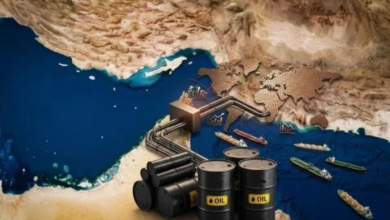
Markets are currently fueled by uncertainty stemming from escalating tensions in the Middle East. These concerns arise in the context of the “maximum pressure” policy pursued by the Trump administration against Iran, which included withdrawing from the 2018 nuclear agreement and reimposing crippling economic sanctions aimed at reducing Iranian oil exports to zero. According to reports cited by the Wall Street Journal, citing US officials, President Trump is dissatisfied with Iranian proposals to end the conflict and favors extending the naval blockade imposed on Iranian ports. This approach threatens to disrupt a significant portion of the world’s oil supply from the region, raising investor concerns and prompting speculation on higher prices in anticipation of any disruption to shipments through the Strait of Hormuz, a vital artery for a third of the world’s seaborne oil.
Importance and expected effects
The surge in oil prices to these high levels has far-reaching implications for the global economy. For energy-importing countries, it means higher production and transportation costs, potentially leading to inflationary pressures and slower economic growth. For oil-producing and exporting nations, however, it represents a significant boost to their fiscal revenues and budgets. Regionally, the escalating tensions in the Middle East increase the risk of instability, while the world awaits the response of OPEC and its allies within the OPEC+ framework to these price spikes and whether they will intervene to increase production in an effort to stabilize the markets.