
مقدمة: استعدادات استثنائية لموسم الحج
في إطار استعداداتها المستمرة لضمان أمن وسلامة وراحة ضيوف الرحمن، أصدرت وزارة الحج والعمرة في المملكة العربية السعودية حزمة موسعة من التعليمات والضوابط التنظيمية لموسم حج 1445هـ. تهدف هذه الإجراءات الدقيقة إلى رفع كفاءة إدارة الحشود وتسهيل حركة ملايين الحجاج بين المشاعر المقدسة، مع التركيز بشكل خاص على عمليات النقل والتفويج لضمان تجربة حج آمنة ومنظمة.
السياق التاريخي وأهمية إدارة الحشود في الحج
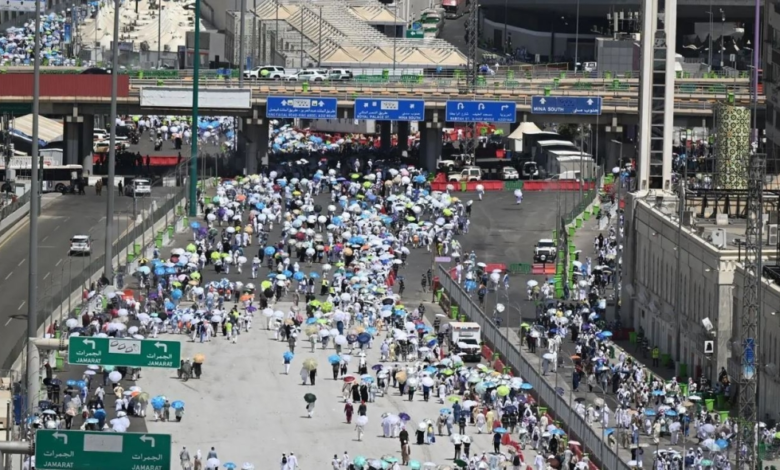
تعد إدارة الحشود في موسم الحج أحد أكبر التحديات اللوجستية في العالم. فعلى مر العقود، واجهت المملكة تحديات متزايدة مع ارتفاع أعداد الحجاج، مما دفعها إلى استثمار مليارات الريالات في تطوير البنية التحتية للمشاعر المقدسة. شملت هذه المشاريع العملاقة توسعة المسجد الحرام ومنطقة المطاف، وإنشاء جسر الجمرات متعدد الطوابق، وتدشين قطار المشاعر المقدسة وقطار الحرمين السريع. وتأتي هذه الضوابط الجديدة استكمالًا لهذه الجهود، مستفيدة من الدروس السابقة والتقنيات الحديثة لتفادي أي مشاكل تتعلق بالتكدس والازدحام، وضمان انسيابية الحركة في أوقات الذروة.
آلية التفويج الجديدة: 188 حاجًا لكل فوج
أوضحت الوزارة أن نجاح خطط النقل والتفويج يعتمد على الالتزام الدقيق بالتوقيتات المحددة، خاصة في ظل الأعداد الكبيرة للحجاج والمساحات المحدودة في المشاعر. وفي هذا السياق، حددت التعليمات الجديدة آلية دقيقة لتقسيم الحجاج، حيث يتكون كل “فوج” من 188 حاجًا، وتتألف كل “مجموعة” من 5 أفواج بإجمالي 940 حاجًا. ويتم تكليف مشرف متخصص لكل مجموعة للإشراف الميداني والإلكتروني على حركة الأفواج، ومعالجة أي انحرافات تشغيلية بشكل فوري لضمان الالتزام بالمسارات والجداول الزمنية.
ضوابط تشغيلية ومخالفات محددة
كشفت التعليمات عن قائمة واضحة بالمخالفات التشغيلية لضمان الالتزام الصارم بالخطط. على سبيل المثال، يُعتبر تفويج الحجاج من مكة المكرمة إلى جدة قبل موعد الرحلة بأكثر من 9 ساعات مخالفة، وكذلك التفويج المتأخر قبل الرحلة بأقل من 6 ساعات. كما تم منع عمليات التفويج من مكة إلى المدينة المنورة خلال الفترة من الساعة 11 مساءً وحتى 7 صباحًا لتجنب الإرهاق وضمان سلامة الطرق. وأكدت الوزارة أن أي تأخير في نقل الحجاج من وإلى محطة قطار الحرمين لأكثر من ساعة واحدة سيُعتبر مخالفة تشغيلية تستوجب المساءلة.
التأثير المتوقع وأهمية الإجراءات
من المتوقع أن تسهم هذه الإجراءات في تحقيق نقلة نوعية في إدارة موسم الحج. على الصعيد المحلي، تعزز هذه الضوابط من قدرة المملكة على تنظيم الشعيرة بكفاءة وأمان، وتؤكد على ريادتها في إدارة التجمعات البشرية الضخمة. أما على الصعيد الدولي، فإنها تبعث برسالة طمأنينة للدول الإسلامية والعالم أجمع حول سلامة حجاجها، وتعكس التزام المملكة بتسخير كافة إمكانياتها لخدمة ضيوف الرحمن. كما أن إلزام شركات تقديم الخدمة بتعيين كوادر ذات خبرة لا تقل عن 5 سنوات، وتوفير مرشدين داخل الحافلات، وربط أنظمة النقل بالمنصات الإلكترونية المعتمدة، يضمن تطبيق أعلى معايير الجودة والسلامة خلال رحلة الحج.
أبرز التعليمات لشركات الخدمة
ألزمت الوزارة مكاتب شؤون الحجاج وشركات تقديم الخدمة بمجموعة من الاشتراطات، من أبرزها:
- الإبقاء على ما نسبته 50% من إجمالي الحجاج في مشعر منى حتى اليوم الثالث عشر من ذي الحجة لتخفيف الضغط على منشأة الجمرات والمسجد الحرام.
- التقيد الكامل بالجداول الزمنية المخصصة لرمي الجمرات واستخدام قطار المشاعر.
- توزيع الحجاج على فترتين (صباحية ومسائية) بنسبة 50% لكل فترة عند النقل من مساكنهم إلى المسجد الحرام، لتخفيف التكدس.
- إتمام طواف القدوم خلال مدة لا تتجاوز 8 ساعات من وصول الحجاج إلى مساكنهم في مكة المكرمة.