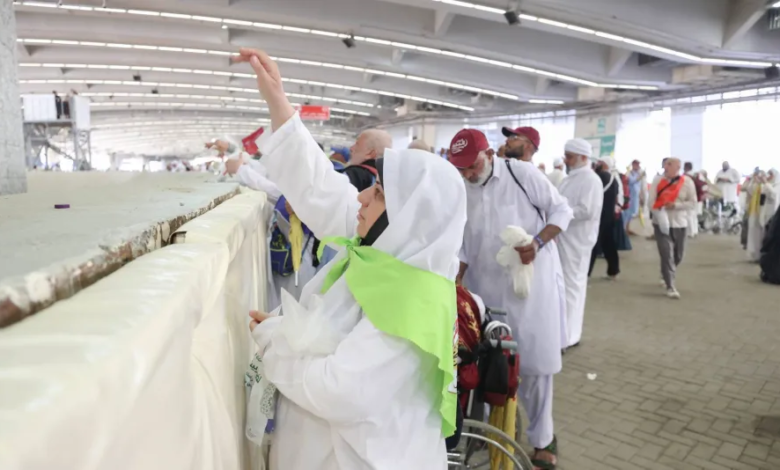

مع إشراقة شمس أول أيام التشريق، الموافق لليوم الحادي عشر من شهر ذي الحجة، يواصل حجاج بيت الله الحرام أداء مناسكهم في مشعر منى، وسط أجواء روحانية وإيمانية غامرة. يتوافد ضيوف الرحمن، بعد أن باتوا ليلتهم في منى، إلى جسر الجمرات لتأدية أحد أهم شعائر الحج، وهو رمي الجمرات الثلاث، مبتدئين بالجمرة الصغرى، ثم الوسطى، وأخيراً جمرة العقبة الكبرى، بسبع حصيات لكل جمرة، مكبرين ومهللين مع كل رمية.
خلفية تاريخية وأهمية أيام التشريق
تُعرف أيام التشريق بأنها الأيام الثلاثة التي تلي يوم عيد الأضحى (يوم النحر)، وهي أيام ذكر لله وشكر على نعمه. وقد ورد في فضلها قول النبي محمد صلى الله عليه وسلم: “أيام التشريق أيام أكل وشرب وذكر لله”. وتكتسب هذه الأيام أهميتها من كونها تمثل الامتداد الزمني والمكاني لذروة مناسك الحج، حيث يقضي فيها الحاج معظم وقته في مشعر منى، مكملاً أعمال حجه قبل العودة إلى دياره. ويرتبط رمي الجمرات في هذه الأيام بحدث تاريخي رمزي يقتدي فيه المسلمون بفعل النبي إبراهيم عليه السلام عندما اعترضه الشيطان في هذه المواضع فرماه بالحصى طرداً له ورفضاً لوسوسته.
تأثير الحدث وأبعاده المختلفة
يعتبر موسم الحج، وبخاصة أيام التشريق، حدثاً ذا أبعاد دينية واقتصادية واجتماعية هائلة. على الصعيد المحلي، تستنفر المملكة العربية السعودية كافة قطاعاتها لخدمة ملايين الحجاج، مما يعكس قدرتها التنظيمية واللوجستية الهائلة في إدارة أكبر تجمع بشري سنوي في العالم. أما على الصعيدين الإقليمي والدولي، فيمثل الحج ملتقى عالمياً فريداً للمسلمين من مختلف الجنسيات والثقافات، مما يعزز أواصر الأخوة والوحدة في الأمة الإسلامية. يعود الحجاج إلى بلدانهم محملين بتجربة روحانية عميقة، ليصبحوا سفراء للسلام والتسامح، ناقلين معهم قيم الحج العظيمة إلى مجتمعاتهم.
المتعجلون يستعدون للنفرة
وفي خضم هذه الأجواء، يستعد الحجاج “المتعجلون” لإتمام مناسكهم والتحلل الأصغر. فوفقاً للرخصة الشرعية، يجوز للحاج الذي يرغب في التعجل أن يغادر منى بعد رمي الجمرات في اليوم الثاني من أيام التشريق (الثاني عشر من ذي الحجة)، شريطة أن يخرج من منى قبل غروب الشمس. أما من تأخر وبقي إلى اليوم الثالث، فعليه رمي الجمرات في ذلك اليوم أيضاً، وهو الأكمل والأفضل اقتداءً بسنة النبي. وبعد إتمام رمي الجمرات، يتوجه الحجاج إلى مكة المكرمة لأداء طواف الوداع، وهو آخر واجبات الحج، ليختتموا بذلك رحلتهم الإيمانية ويعودوا إلى أوطانهم بصفحة بيضاء وذكريات لا تُنسى.