Simulating Hajj sacrifices: Enhancing health preparedness to confront epidemics

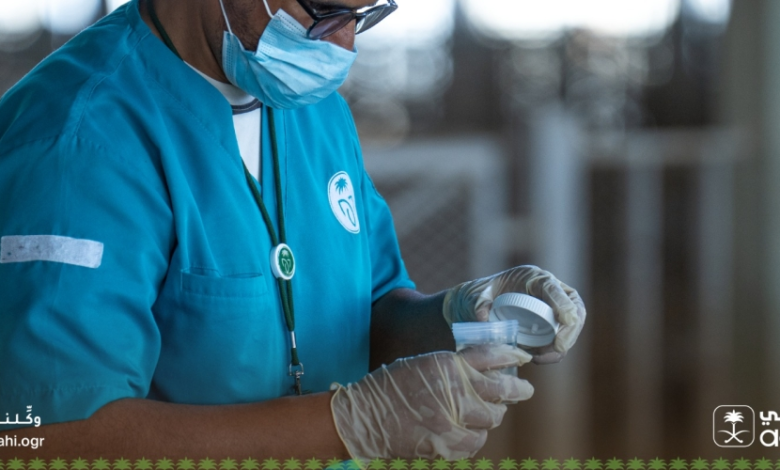
As part of intensive preparations for the 1447 AH Hajj season, the Kingdom of Saudi Arabia's Project for the Utilization of Hajj Sacrifices (Adahi) announced the conclusion of its comprehensive field simulation, held at its headquarters in the Holy Sites. This simulation, conducted in cooperation with six key government agencies, aimed to assess and enhance health and environmental preparedness, and to test the integrated response system for dealing with any health emergency that might occur during the Hajj season.
Historical context and strategic importance
The Kingdom of Saudi Arabia, under the leadership of the Custodian of the Two Holy Mosques and his Crown Prince, places paramount importance on the safety and health of pilgrims. These exercises are part of a long legacy of experience in managing the world's largest gatherings of people. Over the decades, the Kingdom has developed advanced health and logistical infrastructure to address potential health challenges, from seasonal illnesses to global pandemics. These field simulations are a natural progression of these efforts, moving from theoretical planning to practical testing to ensure the effectiveness of the plans on the ground.
Simulation details and scenario of “Rift Valley Fever”
The simulation involved a hypothetical scenario of suspected cases of Rift Valley fever, a viral disease transmissible between humans and animals. This scenario was carefully chosen due to the importance of the Adahi project in managing millions of livestock during the Hajj season, making it a pivotal element in the health and environmental security system. The simulation phases demonstrated the high level of coordination among participating entities from the moment the hypothetical report was received until the complete containment of the situation. Teams from the Ministry of Environment, Water and Agriculture initiated veterinary investigations and vector control operations, while the Public Health Authority (Weqaya) oversaw preventive measures and laboratory support. The Ministry of Health managed the hypothetical human cases, and the Adahi project activated immediate reporting mechanisms and ensured the safety of livestock pens and operational facilities.
Local and international impact on enhancing preparedness
The impact of these preparations extends beyond the local level to encompass global health security. Hajj brings together millions of Muslims from over 180 countries, and any outbreak, however limited, could escalate into a global health crisis. Therefore, the success of this simulation reinforces the Kingdom's position as a leading model in mass gathering health management and strengthens the international community's confidence in Saudi Arabia's procedures for ensuring the safety of pilgrims and their healthy return home. This endeavor also represents institutional integration aligned with the objectives of the Kingdom's Vision 2030, which aims to enhance the quality of services provided to pilgrims.
The project management confirmed that this simulation is a real test of the joint response system, and contributes to monitoring strengths and addressing any coordination gaps before the arrival of the pilgrims, thus ensuring the highest levels of operational readiness that guarantee the safety of the pilgrims and the compatibility of procedures with the objectives of improving services in the holy sites.