
أعلنت شركات التكرير الحكومية في الهند عن زيادة جديدة في أسعار التجزئة للديزل والبنزين، لتسجل بذلك الارتفاع الثالث خلال أسبوع واحد فقط. تأتي هذه الخطوة الاستراتيجية في إطار مساعي الشركات لتقليص الخسائر المالية الفادحة الناجمة عن بيع الوقود بأسعار مدعومة ومخفضة لفترات طويلة، إلى جانب محاولة السيطرة على معدلات الطلب المحلي المتزايدة بشكل ملحوظ.
وشهدت أسعار الوقود صعوداً بنسبة تقارب 1%، وهو ما يعادل أقل من روبية هندية واحدة للتر. ووفقاً للبيانات الصادرة عن موقع شركة «إنديان أويل كورب» (Indian Oil Corp)، التي تُعد أكبر شركة لتجارة الوقود بالتجزئة في البلاد، فقد بلغ سعر لتر البنزين في العاصمة نيودلهي 99.51 روبية (حوالي 1.0399 دولار أمريكي)، في حين سجل سعر لتر الديزل 92.49 روبية. وتجدر الإشارة إلى أن هذه الأسعار تختلف من منطقة إلى أخرى داخل الهند بناءً على هيكل الضرائب المحلية المفروضة في كل ولاية.
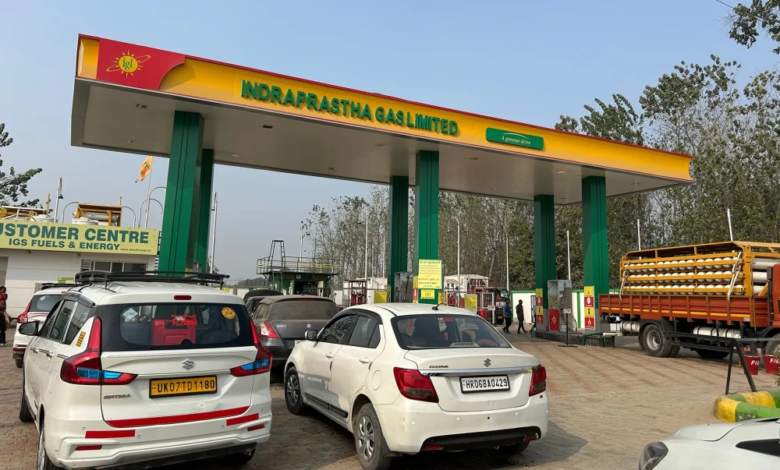
وفي السياق ذاته، حذت شركات أخرى حذو الشركة الكبرى؛ حيث قامت كل من شركة «بهارات بتروليوم كورب» (Bharat Petroleum Corp) وشركة «هندوستان بتروليوم كورب» (Hindustan Petroleum Corp) برفع أسعارهما ضمن نفس النطاق المالي. ولم يقتصر الأمر على الوقود السائل، بل امتد ليشمل الغاز، حيث صرح متحدث باسم شركة «إندرا براسثا غاز» (Indraprastha Gas) بأن الشركة زادت أسعار الغاز الطبيعي المضغوط بنسبة 1% في جميع المناطق التي تغطيها خدماتها.
الخلفية التاريخية والسياق الاقتصادي لأسعار الطاقة في الهند
تُعد الهند ثالث أكبر مستورد ومستهلك للنفط في العالم، حيث تعتمد على الاستيراد لتغطية أكثر من 80% من احتياجاتها من النفط الخام. تاريخياً، كانت الحكومة الهندية تتدخل بشكل مباشر في تسعير الوقود، إلا أنها اتجهت نحو تحرير أسعار البنزين في عام 2010 والديزل في عام 2014 لربطها بالأسواق العالمية. وعلى الرغم من هذا التحرير، لا تزال شركات تسويق النفط الحكومية تستحوذ على حصة الأسد من السوق، وغالباً ما تتحمل عبء استيعاب تقلبات الأسعار العالمية لحماية المستهلك المحلي، مما يؤدي إلى تراكم خسائر مالية ضخمة تُعرف بـ “نقص الاسترداد” عندما ترتفع أسعار النفط الخام عالمياً ولا يتم تمرير الزيادة للمستهلكين فوراً.
تأثير التوترات الجيوسياسية في الشرق الأوسط
تتأثر الدولة الواقعة في جنوب آسيا بشدة بالصراعات الجيوسياسية، لا سيما التوترات المستمرة في منطقة الشرق الأوسط. وتبرز أهمية هذا التأثير بالنظر إلى اعتماد الهند الكبير على إمدادات الطاقة التي يتم نقلها عبر ممرات مائية استراتيجية مثل مضيق هرمز والبحر الأحمر. أي تهديد أو اضطراب في هذه الممرات الحيوية يؤدي إلى ارتفاع تكاليف الشحن والتأمين، ويفرض “علاوة مخاطر” على أسعار النفط العالمية، وهو ما ينعكس فوراً على فاتورة الاستيراد الهندية ويزيد من العجز التجاري للبلاد.
التداعيات المتوقعة للقرار محلياً ودولياً
على الصعيد المحلي، يُتوقع أن يكون لرفع أسعار الوقود في الهند تأثير مباشر على معدلات التضخم. فزيادة تكلفة الديزل تؤدي تلقائياً إلى ارتفاع تكاليف النقل والخدمات اللوجستية، مما ينعكس على أسعار السلع الأساسية والمواد الغذائية. هذا الوضع يضع البنك المركزي الهندي تحت ضغط مستمر لموازنة أسعار الفائدة والسيطرة على التضخم دون الإضرار بالنمو الاقتصادي.
أما على الصعيدين الإقليمي والدولي، فإن سياسات تسعير الوقود في الهند ومعدلات استهلاكها تلعب دوراً محورياً في توجيه بوصلة الطلب العالمي على النفط. لجوء الهند إلى تنويع مصادر استيرادها كان خطوة استراتيجية لتخفيف وطأة الأسعار العالمية، ومع ذلك، فإن استمرار ارتفاع الأسعار محلياً يعكس مدى حساسية الاقتصاد الهندي للصدمات الخارجية، ويؤكد على الترابط الوثيق بين أمن الطاقة القومي واستقرار الأسواق العالمية.