
A wave of widespread condemnation in the Arab and Islamic worlds
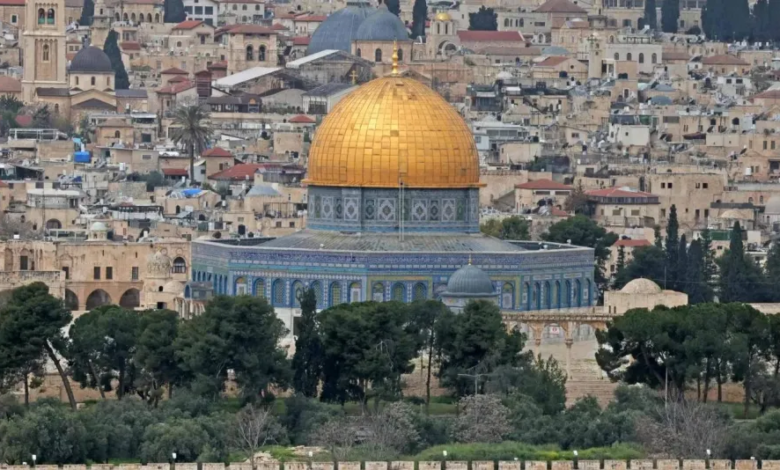
Condemnations poured in from various Arab and Islamic capitals, as well as prominent regional and international organizations such as the Arab League and the Organization of Islamic Cooperation, following the escalation of Israeli violations in occupied Jerusalem. Official statements issued by the foreign ministries of several countries strongly condemned the repeated incursions into the Al-Aqsa Mosque compound by Israeli officials and settlers under the protection of occupation forces, as well as the imposition of restrictions on Palestinian worshippers and attempts to alter the historical and legal status quo of the holy sites.
Historical background and context of the conflict
The issue of Jerusalem is the cornerstone of the Israeli-Palestinian conflict, given its profound religious and political significance for followers of the three Abrahamic faiths. Since Israel's occupation of East Jerusalem in 1967, the city has been subjected to policies aimed at altering its demographic character and its Arab, Islamic, and Christian identity. International law, particularly UN Security Council Resolutions 242 and 478, affirms that East Jerusalem is occupied territory and deems all administrative and legislative measures taken by Israel to change the city's status null and void. These current violations are part of a long history of unilateral actions that undermine the two-state solution and exacerbate instability in the region.
The importance of the event and its expected impact
These violations carry serious repercussions on multiple levels. Locally, these practices are fueling anger among Palestinians in Jerusalem, the West Bank, and the Gaza Strip, threatening to ignite a new wave of tension and confrontations. Regionally, the attacks on Islamic and Christian holy sites in Jerusalem are placing immense pressure on Arab and Muslim governments, particularly those with diplomatic relations with Israel, as they face growing public outrage. Continued escalation could further complicate regional normalization efforts and destabilize the entire region.
Internationally, these events have brought the issue of Jerusalem back to the forefront of global attention, prompting influential international powers such as the United States, the European Union, and the United Nations to issue statements calling for restraint and respect for the status quo. These violations also constitute a test of the international community's commitment to implementing its resolutions and upholding international law, as Arab and Muslim voices demand effective international action that goes beyond mere verbal condemnations to ensure the protection of the holy city and its inhabitants.