
مقدمة عن الأزمة السياسية في الصومال
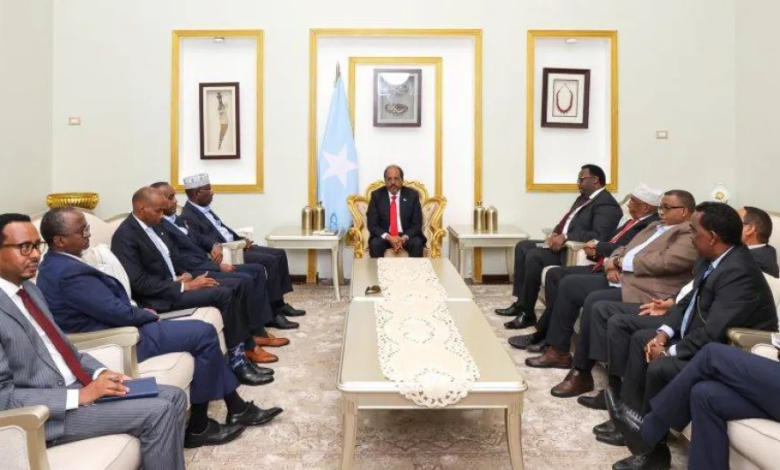
تشهد الساحة الصومالية في الآونة الأخيرة تصاعداً ملحوظاً في الأزمة السياسية في الصومال، مما استدعى تحركات دولية مكثفة لتفكيكها، وذلك في ظل تعقيدات المشهد الداخلي وتضارب المصالح بين الأطراف الفاعلة. تأتي هذه الجهود الدبلوماسية في وقت توصف فيه الخيارات المتاحة بأنها “سيناريوهات محدودة”، مما يضع مستقبل البلاد على المحك. تسعى الأمم المتحدة، والاتحاد الأفريقي، والشركاء الدوليون إلى إيجاد أرضية مشتركة تجمع الحكومة الفيدرالية في مقديشو مع قادة الولايات الإقليمية، بهدف تجنب انزلاق البلاد نحو فوضى أمنية جديدة قد تعصف بالمكاسب التي تحققت خلال السنوات الماضية.
الخلفية التاريخية للنزاع السياسي الصومالي
لفهم الجذور العميقة لهذه الأزمة، يجب العودة إلى الخلفية التاريخية للصومال. منذ انهيار الحكومة المركزية في عام 1991، عانى الصومال من عقود من الحرب الأهلية وغياب مؤسسات الدولة الفاعلة. وعلى الرغم من تشكيل حكومات انتقالية متتالية واعتماد نظام فيدرالي في عام 2012، إلا أن الخلافات الهيكلية حول تقاسم السلطة والثروة، وتحديد الصلاحيات بين المركز والأطراف، ظلت تشكل عقبة رئيسية أمام الاستقرار. تتجدد هذه الأزمات عادة مع اقتراب المواعيد الانتخابية، حيث تبرز الخلافات حول النماذج الانتخابية، سواء كانت تعتمد على الاقتراع المباشر أو الانتخابات غير المباشرة عبر زعماء العشائر.
أهمية الحدث والتأثيرات المتوقعة
التأثير المحلي والأمني
على الصعيد المحلي، تكتسب جهود حل الأزمة السياسية في الصومال أهمية قصوى. إن استمرار حالة الجمود السياسي يخلق فراغاً أمنياً خطيراً تستغله الجماعات المسلحة، وعلى رأسها حركة الشباب، لتعزيز نفوذها وشن هجمات إرهابية تستهدف المدنيين والمؤسسات الحكومية. كما أن الانقسامات السياسية تعرقل جهود بناء الجيش الوطني الصومالي وتعيق خطط التنمية الاقتصادية ومواجهة الأزمات الإنسانية المتكررة مثل الجفاف والفيضانات.
التأثير الإقليمي في منطقة القرن الأفريقي
إقليمياً، لا يمكن فصل استقرار الصومال عن أمن منطقة القرن الأفريقي بأكملها. أي تدهور في الوضع الصومالي ينعكس مباشرة على الدول المجاورة مثل كينيا وإثيوبيا وجيبوتي، سواء من خلال تدفق اللاجئين أو انتقال التهديدات الإرهابية عبر الحدود. علاوة على ذلك، يقع الصومال على ساحل استراتيجي يطل على المحيط الهندي وخليج عدن، مما يجعل استقراره ضرورة ملحة لضمان أمن الملاحة البحرية في البحر الأحمر وتجنب عودة ظاهرة القرصنة.
التأثير الدولي والتدخلات الخارجية
دولياً، يراقب المجتمع الدولي بقلق بالغ تطورات الأزمة. استثمرت الدول المانحة والمنظمات الدولية مليارات الدولارات في مشاريع بناء السلام وحفظ الأمن في الصومال عبر بعثات مثل بعثة الاتحاد الأفريقي الانتقالية (أتميس). لذلك، فإن التحركات الدولية الحالية تهدف إلى حماية هذه الاستثمارات ومنع تحول الصومال إلى ملاذ آمن للتنظيمات الإرهابية العابرة للحدود. وتتضمن السيناريوهات المحدودة المطروحة إما التوصل إلى تسوية سياسية شاملة تضمن إجراء انتخابات توافقية، أو مواجهة خطر التفكك المؤسسي والعودة إلى المربع الأول.
خلاصة المشهد
في الختام، تبقى التحركات الدولية لتفكيك الأزمة السياسية في الصومال خطوة ضرورية، لكنها غير كافية ما لم تترافق مع إرادة سياسية حقيقية من قبل القادة الصوماليين. إن تغليب المصلحة الوطنية والجلوس إلى طاولة الحوار هو السبيل الوحيد لتجاوز هذه المرحلة الحرجة، وتحويل السيناريوهات المحدودة إلى فرص حقيقية لبناء دولة صومالية مستقرة ومزدهرة قادرة على تلبية طموحات شعبها.