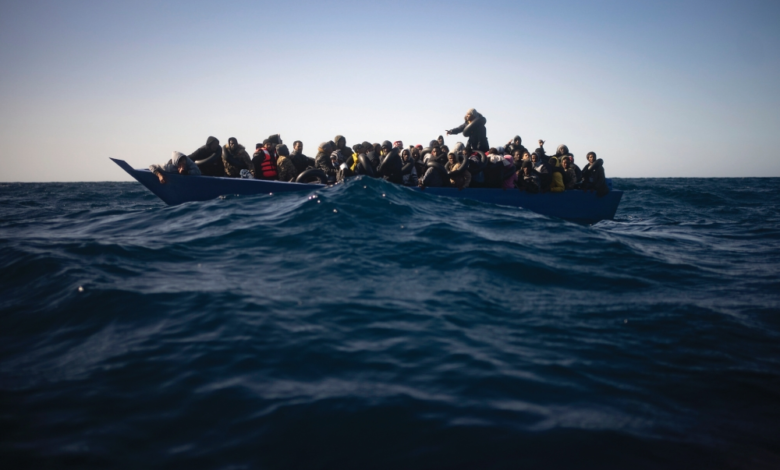

في تقرير صادم يسلط الضوء على حجم المأساة الإنسانية المستمرة، أعلنت المنظمة الدولية للهجرة (IOM) التابعة للأمم المتحدة عن وفاة أو فقدان ما يقرب من 7900 شخص على طرق الهجرة حول العالم خلال العام الماضي. هذا الرقم المروع يرفع العدد الإجمالي الموثق للضحايا منذ بدء مشروع “المهاجرون المفقودون” في عام 2014 إلى أكثر من 80 ألف شخص، وهو ما يؤكد أن هذه الطرق أصبحت مقابر جماعية لآلاف الباحثين عن حياة أفضل.
خلفية الأزمة: دوافع متجذرة ورحلات محفوفة بالمخاطر
تعتبر الهجرة ظاهرة عالمية قديمة، لكن العقد الأخير شهد تصاعدًا غير مسبوق في أعداد المهاجرين الذين يضطرون لسلوك مسارات غير نظامية وخطيرة. تعود الأسباب الجذرية لهذه الظاهرة إلى مجموعة معقدة من العوامل، أبرزها النزاعات المسلحة والحروب الأهلية التي تدمر الأوطان، كما هو الحال في سوريا والسودان وأفغانستان. يضاف إلى ذلك، عدم الاستقرار السياسي والاضطهاد الذي يدفع الملايين للفرار بحثًا عن الأمان. كما تلعب التحديات الاقتصادية القاسية، مثل الفقر المدقع والبطالة، دورًا رئيسيًا في دفع الشباب والعائلات للمخاطرة بكل شيء من أجل فرصة عمل أو مستقبل أكثر استقرارًا. ومؤخرًا، برز تغير المناخ كدافع رئيسي للهجرة، حيث يؤدي الجفاف والتصحر والفيضانات إلى تدمير سبل العيش وإجبار السكان على النزوح.
أهمية الحدث وتأثيره العالمي
تكمن أهمية هذا التقرير في كونه جرس إنذار للمجتمع الدولي. فالأرقام المعلنة، على الرغم من كونها تمثل الحد الأدنى للعدد الحقيقي للضحايا، تكشف عن فشل جماعي في حماية الأرواح البشرية. على المستوى الإقليمي، تعتبر منطقة البحر الأبيض المتوسط المسار الأكثر فتكًا بالمهاجرين في العالم، حيث يلقى الآلاف حتفهم غرقًا كل عام أثناء محاولتهم الوصول إلى أوروبا. كما تشهد طرق أخرى، مثل الصحراء الكبرى في أفريقيا، ومعبر دارين الغابي الخطير بين كولومبيا وبنما، والحدود بين الولايات المتحدة والمكسيك، وفيات مأساوية بشكل مستمر.
إن التأثير المتوقع لهذه الأزمة متعدد الأوجه؛ فهو يضع ضغوطًا سياسية واقتصادية هائلة على دول العبور والمقصد، ويثير نقاشات حادة حول سياسات الحدود والأمن مقابل الالتزامات الإنسانية. كما أنه يغذي شبكات الجريمة المنظمة والاتجار بالبشر التي تستغل يأس المهاجرين. وعلى الصعيد الإنساني، تخلف كل حالة وفاة أو اختفاء جرحًا عميقًا لدى العائلات التي تُترك في حالة من عدم اليقين والألم.
دعوة عاجلة للتحرك
شددت المنظمة الدولية للهجرة على أن الناس يُجبرون على خوض هذه الرحلات المميتة عندما تكون المسارات الآمنة والقانونية بعيدة المنال. وحثت المنظمة الدول على إيجاد الإرادة السياسية اللازمة لإنقاذ الأرواح من خلال تعزيز عمليات البحث والإنقاذ، وتوفير قنوات هجرة آمنة ومنظمة، ومعالجة الأسباب الجذرية التي تدفع الناس إلى الهجرة في المقام الأول. وأكدت أن هذه الأرقام ليست مجرد إحصائيات، بل هي قصص إنسانية لأفراد كان لديهم آمال وأحلام، انتهت بشكل مأساوي على طرق الهجرة.